
Patrones de Velas Hammer e Hammer Invertido; Guía para Principiantes
Descubre el poder de los patrones Hammer y Hammer Invertido. Aprende a identificarlos y mejora tu estrategia de trading.
¿Alguna vez te has preguntado si una sola vela podría señalar un cambio importante en el mercado? Los patrones Hammer y Hammer Invertido son dos formaciones de velas que pueden proporcionar información valiosa sobre posibles reversos alcistas. Esta guía te dotará del conocimiento necesario para identificar, entender y utilizar estos patrones en tu estrategia de trading.
- El Hammer y el Hammer Invertido son patrones de vela de reversión alcista.
- Se forman tras una tendencia a la baja y sugieren que el precio puede comenzar a subir.
- Comprender el contexto en el que aparecen estos patrones es crucial para una interpretación precisa.
- Combinar estos patrones con otros indicadores técnicos puede mejorar las decisiones de trading.
¿Qué Son los Patrones Hammer y Hammer Invertido?
El Hammer y el Hammer Invertido son patrones de vela únicos que señalan una posible reversión alcista. Aparecen al final de una tendencia a la baja y sugieren que la presión de venta está disminuyendo, y los compradores pueden estar ingresando al mercado.
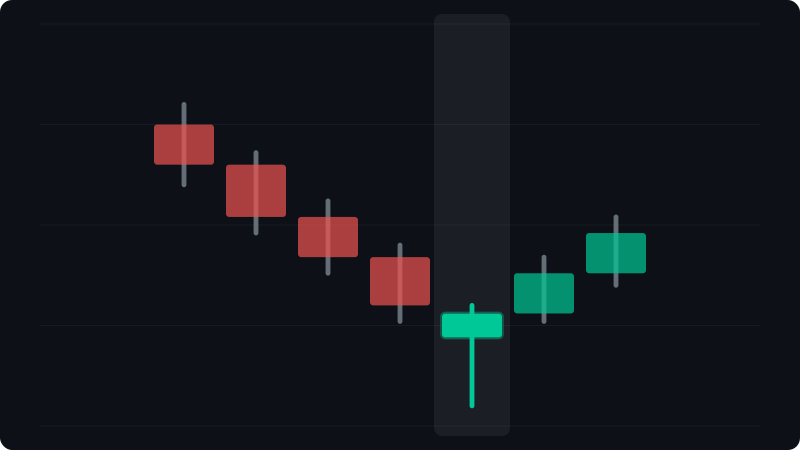
Hammer: Un patrón de vela caracterizado por un cuerpo pequeño, una larga sombra inferior (al menos el doble de la longitud del cuerpo), y poca o ninguna sombra superior. Indica una posible reversión alcista después de una tendencia a la baja.
La vela Hammer se asemeja a un pequeño rectángulo con una larga vara saliendo de la parte inferior. El color del cuerpo (alcista o bajista) no es tan importante como la forma general. La clave es la larga sombra inferior, que muestra que los vendedores presionaron el precio hacia abajo durante la sesión, pero los compradores lograron empujarlo de nuevo al alza, cerrando cerca del precio de apertura.
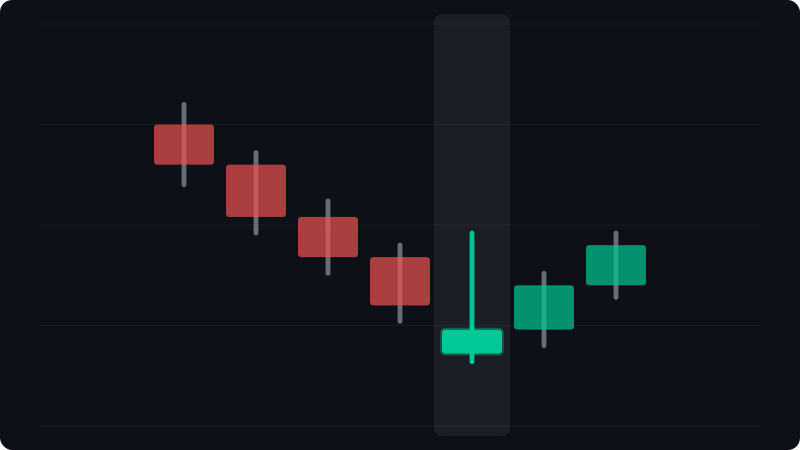
Hammer Invertido: Similar al Hammer, pero con una larga sombra superior y poca o ninguna sombra inferior. También señala una posible reversión alcista después de una tendencia a la baja.
El Hammer Invertido se asemeja a un Hammer al revés. Tiene un cuerpo pequeño, una larga sombra superior (al menos el doble de la longitud del cuerpo), y poca o ninguna sombra inferior. La sombra superior muestra que los compradores intentaron empujar el precio hacia arriba, pero los vendedores lograron llevarlo de nuevo hacia abajo. Sin embargo, el hecho de que los compradores hicieran un intento sugiere que la tendencia a la baja puede estar perdiendo fuerza.
¿Por Qué Son Importantes Estos Patrones?
Entender los patrones Hammer y Hammer Invertido es importante por varias razones:
- Señales de Reversión Tempranas: Proporcionan indicaciones tempranas de una posible reversión de tendencia, permitiendo a los traders posicionarse adecuadamente.
- Confirmación del Agotamiento de la Tendencia a la Baja: Estos patrones sugieren que la tendencia a la baja puede estar perdiendo impulso, lo que puede ayudar a los traders a evitar entrar en posiciones cortas demasiado tarde.
- Puntos de Entrada: Pueden ser utilizados para identificar posibles puntos de entrada para posiciones largas, especialmente cuando se combinan con otros indicadores técnicos.
- Gestión del Riesgo: Al reconocer estos patrones, los traders pueden gestionar mejor su riesgo colocando órdenes de stop-loss por debajo del mínimo del Hammer o Hammer Invertido.
Piénsalo como detectar un letrero de 'se necesita ayuda' en un pueblo fantasma. El pueblo ha estado desierto (tendencia a la baja), pero el letrero (Hammer/Hammer Invertido) sugiere que algo podría estar cambiando, y nuevas oportunidades (tendencia al alza) podrían estar en el horizonte.
¿Cómo Funcionan los Patrones Hammer y Hammer Invertido?
A continuación, un desglose paso a paso de cómo funcionan estos patrones:
- Identificar una Tendencia a la Baja: Antes de buscar un Hammer o Hammer Invertido, asegúrate de que el mercado esté en una clara tendencia a la baja. Esto significa que el precio ha estado haciendo consistentemente mínimos y máximos más bajos.
- Busque el Patrón de Vela: Encuentra una vela con un cuerpo pequeño y una larga sombra (sombra inferior para Hammer, sombra superior para Hammer Invertido). La sombra debería ser al menos el doble de la longitud del cuerpo.
- Considera el Contexto: El patrón es más significativo si aparece en un nivel de soporte clave o después de una tendencia a la baja prolongada.
- Confirmación: Espera la confirmación del siguiente patrón de vela. Para un Hammer, busca una vela alcista que cierre por encima del máximo del Hammer. Para un Hammer Invertido, busca una vela alcista que cierre por encima del máximo del Hammer Invertido.
- Punto de Entrada y Stop-Loss: Entra en una posición larga después de la confirmación. Coloca una orden de stop-loss por debajo del mínimo del Hammer o Hammer Invertido para gestionar el riesgo.
Imagina que estás conduciendo por una empinada colina (tendencia a la baja). Ves un letrero que dice 'Bache adelante' (Hammer/Hammer Invertido). Disminuyes la velocidad (esperas confirmación) y te preparas para un posible cambio en el camino (tendencia al alza). Si el camino comienza a nivelarse (confirmación alcista), aceleras (entras en una posición larga) pero mantienes el pie cerca del freno (stop-loss) en caso de que la colina continúe (la tendencia a la baja se reanude).
Ejemplos Prácticos
Veamos un par de ejemplos hipotéticos para ilustrar cómo usar estos patrones.
Ejemplo 1: Patrón Hammer
Supón que estás analizando el gráfico del EUR/USD. Notas que el precio ha estado en una tendencia a la baja durante varios días. De repente, ves una vela Hammer. El cuerpo de la vela es pequeño y la sombra inferior es más de dos veces la longitud del cuerpo. La siguiente vela es alcista y cierra por encima del máximo del Hammer.
En este escenario, entrarías en una posición larga después de la vela de confirmación alcista. Colocarías una orden de stop-loss por debajo del mínimo del Hammer para proteger tu capital. Supongamos que el mínimo del Hammer está en 1.0500. Podrías colocar tu stop-loss en 1.0490 para darle un pequeño margen. Si el precio comienza a subir como se espera, puedes mover tu orden de stop-loss hacia arriba para asegurar ganancias.
Ejemplo 2: Patrón Hammer Invertido
Ahora, digamos que estás mirando el gráfico del GBP/JPY. El precio ha estado disminuyendo de manera constante. Observas una vela Hammer Invertido. El cuerpo es pequeño y la sombra superior es larga. La siguiente vela es alcista y cierra por encima del máximo del Hammer Invertido.
En este caso, entrarías en una posición larga después de la vela de confirmación alcista. Configurarías una orden de stop-loss por debajo del mínimo del Hammer Invertido. Supongamos que el mínimo del Hammer Invertido está en 150.50. Podrías establecer tu stop-loss en 150.40. A medida que el precio aumenta, puedes ajustar tu orden de stop-loss para asegurar ganancias.
Errores Comunes y Conceptos Erróneos
A continuación, algunos errores comunes que los principiantes cometen al operar con patrones Hammer y Hammer Invertido:
- Ignorar la Tendencia a la Baja: Estos patrones solo son válidos si aparecen después de una tendencia a la baja. Si ocurren durante una tendencia alcista o un movimiento lateral, no son confiables.
- Ignorar la Confirmación: Entrar en una operación sin esperar la confirmación puede llevar a señales falsas y pérdidas. Siempre espera la siguiente vela para confirmar el patrón.
- Ignorar las Órdenes de Stop-Loss: No colocar órdenes de stop-loss puede resultar en pérdidas significativas si el mercado se mueve en contra de tu posición.
- Confiar Únicamente en Estos Patrones: Estos patrones no deben ser utilizados de forma aislada. Combínalos con otros indicadores técnicos y técnicas de análisis para obtener mejores resultados.
Los principiantes a menudo se lanzan a operaciones basándose únicamente en la aparición de un Hammer o Hammer Invertido, sin considerar el contexto más amplio del mercado o esperar la confirmación. Esto puede llevar a señales falsas y pérdidas innecesarias.
Consejos Prácticos para Operar con Patrones Hammer y Hammer Invertido
Aquí tienes algunos consejos prácticos para ayudarte a operar con estos patrones de manera más efectiva:
- Usa Confluencia: Busca estos patrones en niveles de soporte clave o cercanos a niveles de retroceso de Fibonacci para aumentar la probabilidad de éxito.
- Considera el Volumen: Un alto volumen durante la formación de estos patrones puede agregar más peso a la señal.
- Práctica: Practica identificar estos patrones en gráficos históricos para mejorar tus habilidades.
- Utiliza una Cuenta Demo: Antes de operar con estos patrones con dinero real, prueba tu estrategia en una cuenta demo para ganar experiencia y confianza.
Piénsalo como aprender a andar en bicicleta. No te lanzarías a una calle concurrida sin practicar. Comenzarías en un entorno seguro y controlado (cuenta demo), te familiarizarías con la bicicleta (patrones Hammer/Hammer Invertido), y gradualmente desarrollarías tus habilidades y confianza antes de salir a la carretera (trading real).
Preguntas Frecuentes
¿Cuál es la diferencia entre un Hammer y un Hombre Colgado?
Ambos tienen un cuerpo pequeño y una larga sombra inferior, pero el Hammer aparece después de una tendencia a la baja, señalando una posible reversión, mientras que el Hombre Colgado aparece después de una tendencia alcista, sugiriendo una posible reversión a la baja.
¿Qué tan confiables son los patrones Hammer y Hammer Invertido?
Su confiabilidad depende del contexto en el que aparecen. Son más confiables cuando ocurren en niveles de soporte clave o después de tendencias a la baja prolongadas y son confirmados por la acción de precios posterior.
¿Puedo usar estos patrones en todos los marcos de tiempo?
Sí, pero tienden a ser más confiables en marcos de tiempo más altos (por ejemplo, diario o semanal) porque estos marcos filtran más el ruido a corto plazo.
¿Qué otros indicadores puedo combinar con los patrones Hammer y Hammer Invertido?
Puedes combinarlos con indicadores como RSI, MACD o niveles de retroceso de Fibonacci para aumentar la probabilidad de operaciones exitosas. Por ejemplo, si un Hammer aparece en un nivel de soporte clave y el RSI está sobrevendido, puede proporcionar una señal de compra más fuerte.
Dominando los patrones Hammer y Hammer Invertido puedes añadir una herramienta valiosa a tu arsenal de trading. Recuerda practicar, ser paciente y siempre gestionar tu riesgo. ¡Buena suerte!