
Can Tokenized Stocks Create Two Separate Markets for Investors?
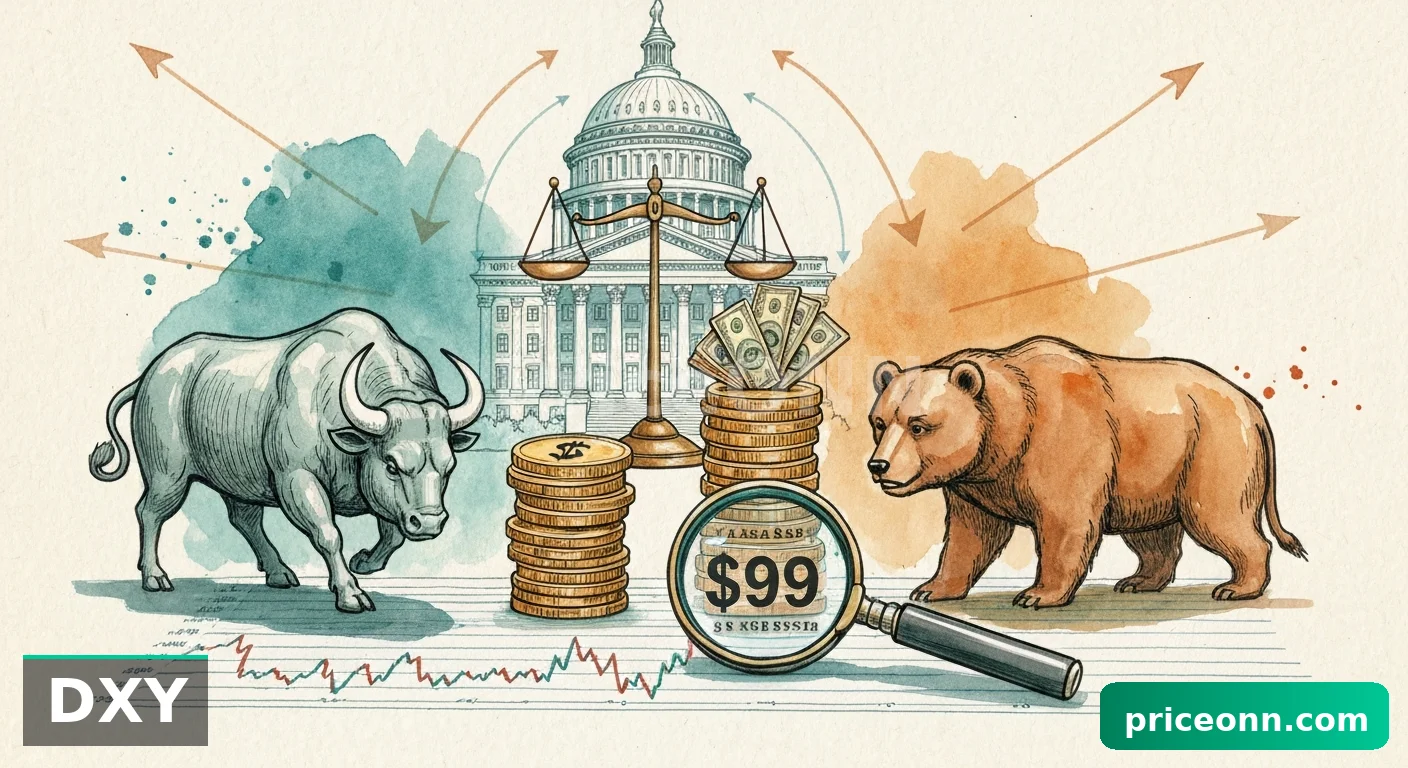
The burgeoning world of tokenized securities, while promising enhanced efficiency and accessibility, carries a significant risk of market fragmentation, according to recent financial analysis.
Market Fragmentation Looms Over Tokenization Push
The integration of tokenized assets into capital markets could inadvertently split trading into distinct ecosystems, raising concerns about price discovery and market integrity. Industry reports indicate that as exchanges explore the incorporation of tokenized shares into alternative trading systems (ATS), a scenario emerges where the same company's stock could trade simultaneously on established U.S. exchanges and on decentralized, blockchain-native platforms operating beyond domestic regulatory oversight.
This potential bifurcation of trading venues is a key concern highlighted by market structure analysts. The development could lead to two parallel universes for trading the same underlying assets. While these tokenized instruments would remain linked to their real-world equity counterparts, their operation under different regulatory frameworks and trading rules could foster divergent pricing and liquidity dynamics compared to conventional shares.
Analysis of Potential Trading Splits
The core issue revolves around the potential for price gaps and a lack of cohesive market data when an asset is accessible across disparate trading infrastructures. Analysts note that a multi-pronged strategy by certain entities, focusing on upgrading post-trade settlement, facilitating token issuance, and actively supporting international venues, could accelerate this fragmentation. This aggressive expansion into offshore, blockchain-native platforms presents a novel challenge for market participants.
The implications for investors are substantial. The prospect of a single stock trading at materially different prices on separate platforms introduces a new layer of complexity and risk. This fragmentation could obscure genuine market movements, making it more challenging for traders and institutional investors alike to ascertain fair value and execute trades efficiently. The efficiency gains promised by blockchain technology could be overshadowed by the systemic risks associated with a fractured market structure.
Trader Implications and Key Watchpoints
For traders and investors, the evolving landscape necessitates a heightened awareness of where and how they are accessing specific securities. Key considerations include:
- Platform Risk: Understanding the regulatory environment and operational integrity of the trading venue for both traditional and tokenized assets.
- Price Discovery: Monitoring potential discrepancies between prices on traditional exchanges and those on digital asset platforms.
- Liquidity: Assessing the depth and stability of liquidity across different trading venues for the same security.
- Regulatory Arbitrage: Being aware of how different regulatory regimes might impact trading strategies and market access.
Traders should closely monitor developments from major exchanges and regulatory bodies regarding the classification and trading of tokenized securities. The emergence of significant price differentials between traditional and tokenized versions of the same stock would be a critical signal of market segmentation taking root. Attention should also be paid to the trading volumes and volatility observed on emerging digital asset trading platforms that list tokenized equities.
Outlook on Market Structure Evolution
The path forward for tokenized securities remains complex, balancing technological innovation with the imperative of maintaining stable and integrated financial markets. While the potential for increased efficiency is undeniable, the risk of creating two distinct markets for the same assets looms large. Market participants will need to adapt to this evolving paradigm, prioritizing robust risk management and diligent oversight of trading activities across all platforms to navigate the challenges and opportunities presented by this new era of financial technology.
Frequently Asked Questions
What is the main concern regarding tokenized stock trading?
The primary concern is market fragmentation, where tokenized stocks could trade on separate platforms from traditional shares, potentially leading to different price discovery mechanisms and increased complexity for investors.
How could tokenization affect stock prices?
Tokenization could lead to price discrepancies if the same stock trades on both traditional exchanges and digital asset platforms under different regulatory rules. Analysts warn this could obscure fair value and create trading challenges.
What should traders watch for in the tokenized securities market?
Traders should monitor potential price gaps between traditional and tokenized assets, assess liquidity on different platforms, and stay informed about evolving regulatory frameworks. Significant price differentials would signal growing market segmentation.
Track markets in real-time
Empower your investment decisions with AI-powered analysis, technical indicators and real-time price data.
Join Our Telegram Channel
Get breaking market news, AI analysis and trading signals delivered instantly to your Telegram.
Join Channel

PriceONN