Gold Price Forecast: XAU/USD pulls back amid cooling safe-haven demand
The Enduring Allure of Gold: More Than Just Ornament
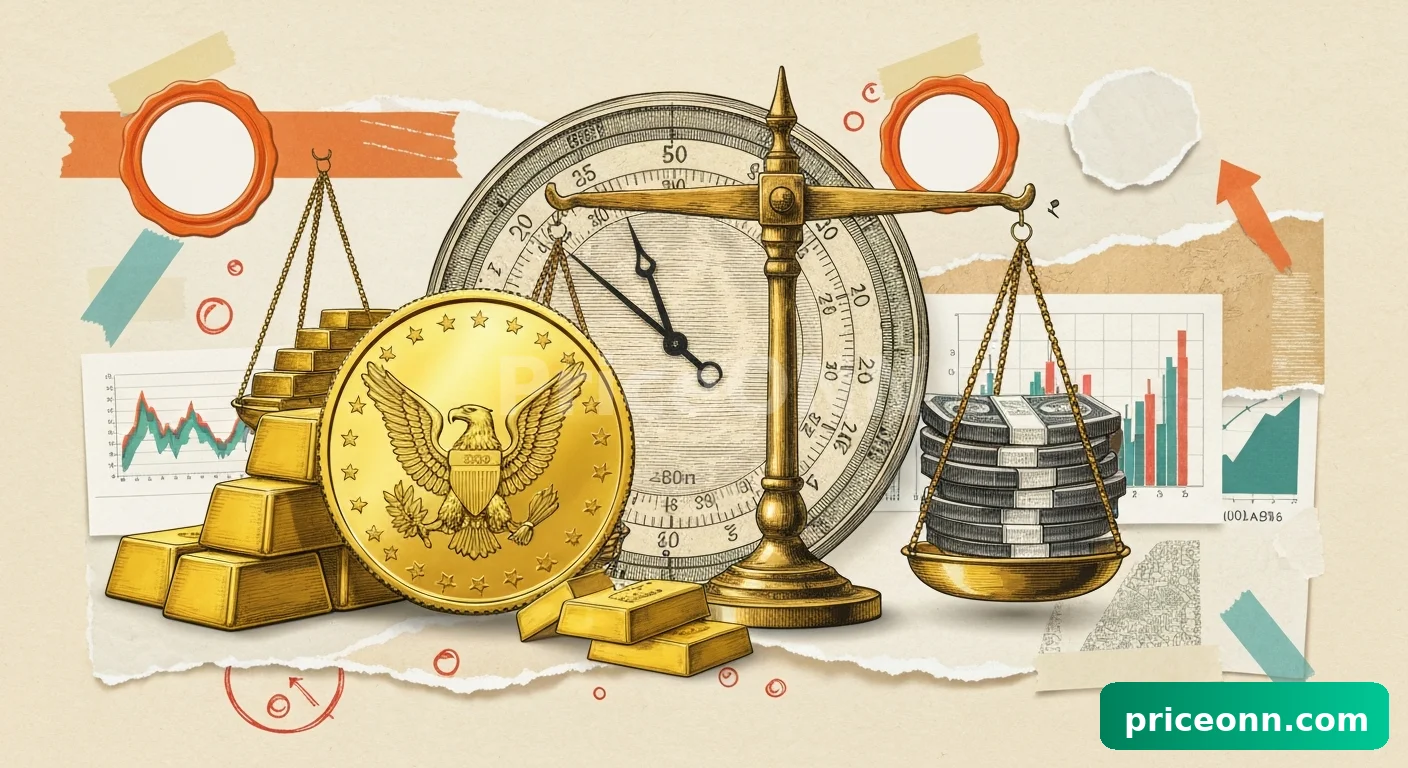
For millennia, gold has held a place of prominence in human civilization, serving not only as a decorative element but also as a fundamental pillar of economic systems. Beyond its aesthetic appeal and widespread use in jewelry, the precious metal is globally recognized as a quintessential safe-haven asset. This status means it's often perceived as a reliable investment during periods of heightened economic uncertainty or geopolitical tension. Its intrinsic value, independent of any single government or issuing authority, also positions gold as a potent hedge against inflation and currency devaluation.
Central banks, in particular, are significant custodians of gold reserves. Their strategic accumulation of the yellow metal often aims to bolster the perceived strength of their national economies and currencies, especially when navigating volatile global markets. Holding substantial gold reserves can serve as a powerful signal of a nation's financial solvency and stability.
Remarkably, central banks collectively acquired an unprecedented 1,136 tonnes of gold in 2022, a move valued at approximately $70 billion. This figure represents the largest annual purchase on record, underscoring a clear trend among emerging economies like China, India, and Turkey to rapidly expand their gold holdings.
Market Dynamics Shaping Gold's Trajectory
Gold's price movements are intrinsically linked to several key market forces. It typically exhibits an inverse relationship with the US Dollar and US Treasuries, both of which are themselves considered major reserve assets and safe havens. When the greenback weakens, gold often sees a corresponding price appreciation, providing investors and central banks with a valuable diversification tool during uncertain economic climates.
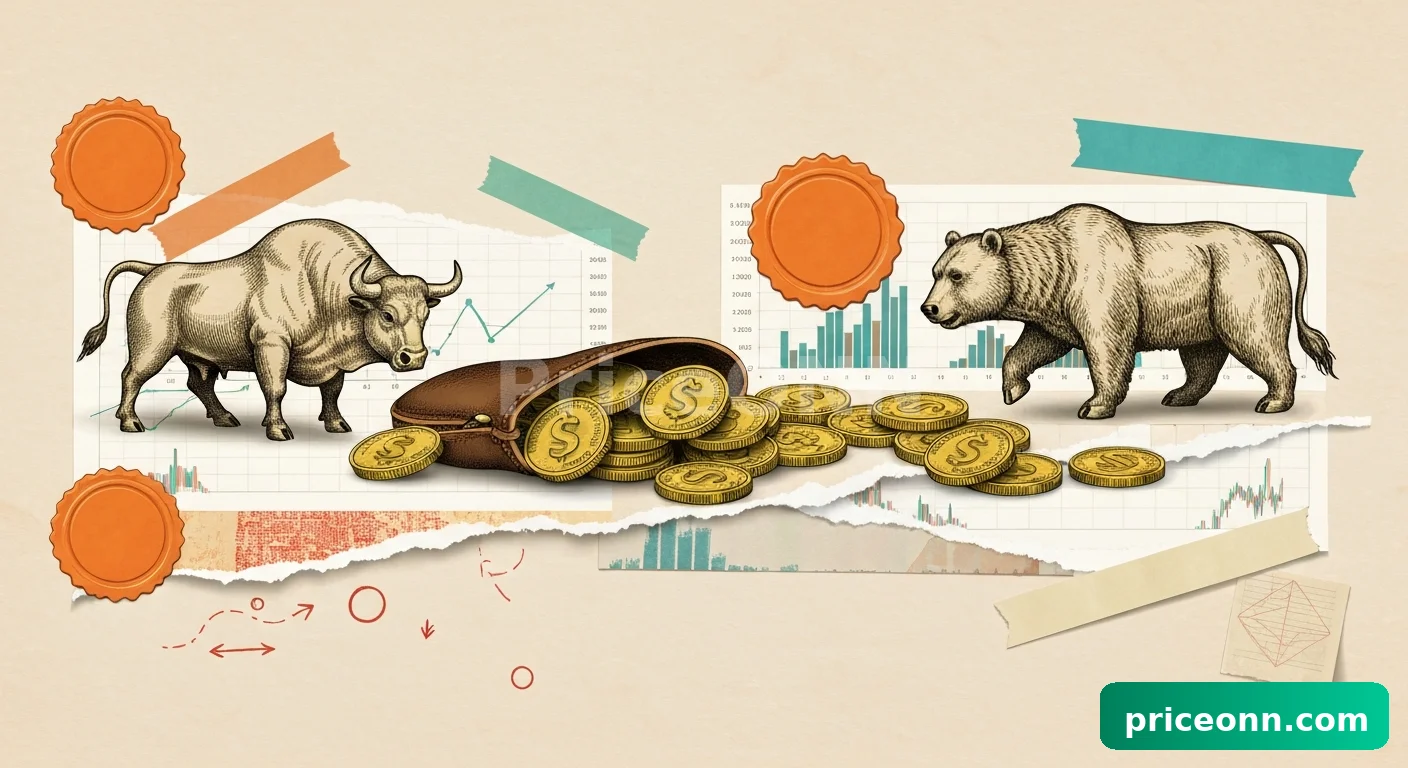
Furthermore, gold's performance is often counterbalanced against riskier assets. A robust rally in equity markets can exert downward pressure on gold prices, while significant sell-offs in risk-sensitive investments tend to boost the precious metal's appeal. The interplay between these asset classes creates a dynamic environment for gold traders.
Geopolitical instability or widespread fears of a severe economic downturn can catalyze a rapid escalation in gold prices, directly attributable to its entrenched safe-haven status. Conversely, as an asset that does not generate yield, gold typically performs better in an environment of lower interest rates. Conversely, a rise in the cost of borrowing, reflecting higher interest rates, usually dampens enthusiasm for the non-yielding yellow metal.
However, the most dominant factor influencing gold's price remains the behavior of the US Dollar, given that gold is priced in dollars (XAU/USD). A strong dollar generally exerts a controlling influence on gold prices, whereas a weakening dollar is a common catalyst for upward price momentum in the precious metal.
Market Ripple Effects
The recent pullback in gold prices, driven by a cooling of safe-haven demand, presents a nuanced picture for investors. While the immediate retreat might suggest reduced utility in the short term, the underlying fundamentals supporting gold remain robust. Central bank buying, in particular, continues to provide a structural floor, even as speculative demand ebbs and flows with market sentiment.
For traders, this period of consolidation offers opportunities to reassess key technical levels. The $2,300 per ounce level, for instance, has been a significant pivot point. A sustained break below this could signal further downside, potentially drawing attention to the $2,200 area. Conversely, a resurgence in risk aversion or a notable weakening of the US Dollar could quickly reignite demand and push prices back towards recent highs.
The implications extend beyond gold itself. A weakening gold price, coupled with a stable or strengthening US Dollar, could add pressure to commodity-linked currencies such as the Australian Dollar (AUD) and Canadian Dollar (CAD). Furthermore, investors might reallocate capital from perceived safe havens like gold towards riskier assets if confidence in the global economic outlook improves, potentially benefiting equities and other growth-oriented investments. The US Dollar Index (DXY), therefore, remains a critical barometer to monitor; a sustained rise in the DXY would likely continue to suppress gold prices.
Track markets in real-time
Empower your investment decisions with AI-powered analysis, technical indicators and real-time price data.
Join Our Telegram Channel
Get breaking market news, AI analysis and trading signals delivered instantly to your Telegram.
Join Channel