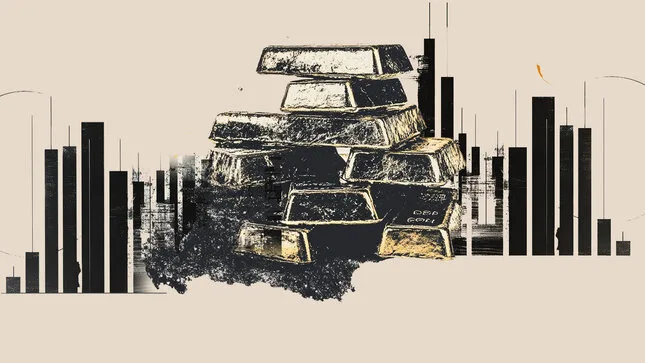
India Gold price today: Gold falls, according to FXStreet data

Gold's Enduring Appeal
Throughout history, gold has served as a vital repository of wealth and a facilitator of transactions. Beyond its aesthetic value in jewelry, gold is now predominantly viewed as a safe-haven asset, attracting investors during periods of economic and geopolitical instability. Its inherent value, independent of any specific government or issuer, also positions it as a hedge against both inflation and currency devaluation.
Central banks are major players in the gold market. To bolster their currencies during times of economic stress, these institutions often diversify their reserves by acquiring gold. This strategic move is intended to project an image of economic stability and currency strength, with substantial gold reserves instilling confidence in a nation's financial standing. Data from the World Gold Council reveals that central banks collectively added 1,136 tonnes of gold, valued at approximately $70 billion, to their reserves in 2022. This represents the most significant annual increase in gold purchases since record-keeping began, driven largely by emerging economies like China, India, and Turkey.
Market Dynamics and Price Drivers
Gold prices exhibit an inverse relationship with both the U.S. dollar and U.S. Treasury bonds, both of which are considered benchmark safe-haven assets. As the dollar weakens, gold prices tend to rise, providing investors and central banks with an opportunity to diversify their holdings during turbulent times. This dynamic reflects gold's role as an alternative store of value when confidence in traditional currencies diminishes. Conversely, a strengthening dollar typically exerts downward pressure on gold prices.
Furthermore, gold's performance is often inversely correlated with risk assets such as equities. A robust stock market rally can lead to a decline in gold prices, as investors shift their focus towards higher-yielding investments. Conversely, market downturns and increased risk aversion tend to boost demand for gold, driving its price upward. This flight-to-safety phenomenon underscores gold's role as a hedge against market volatility.
Factors Influencing Gold Prices
A multitude of factors can influence gold prices. Geopolitical instability, the looming threat of recession, or unexpected inflationary pressures can trigger rapid price increases due to gold's safe-haven appeal. As a non-yielding asset, gold tends to benefit from lower interest rates, as the opportunity cost of holding gold diminishes relative to interest-bearing investments. Conversely, rising interest rates can weigh on gold prices, making it less attractive to investors seeking yield. Ultimately, however, the U.S. dollar's performance exerts a significant influence on gold prices, given that gold is priced in dollars (XAU/USD). A strong dollar typically suppresses gold prices, while a weaker dollar tends to provide a tailwind.
Currently, market participants are closely monitoring upcoming economic data releases and central bank policy announcements for clues about the future direction of interest rates and the dollar. Any signals of a potential shift in monetary policy could trigger significant movements in gold prices, highlighting the importance of staying informed and adapting to evolving market conditions.
Track markets in real-time
Empower your investment decisions with AI-powered analysis, technical indicators and real-time price data.
Join Our Telegram Channel
Get breaking market news, AI analysis and trading signals delivered instantly to your Telegram.
Join Channel