Silver price today: Silver broadly unchanged, according to FXStreet data

Silver's Role in the Financial Landscape
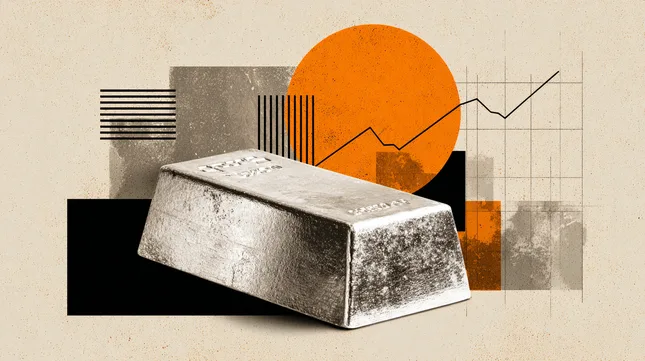
Silver, a prominent precious metal, maintains its status as a frequently traded asset among investors. Historically, it has served as both a store of wealth and a means of facilitating transactions. While overshadowed by gold in terms of popularity, silver remains a viable option for investors seeking portfolio diversification, leveraging its inherent value, or hedging against potential inflationary pressures. Investors can acquire physical silver in the form of coins or bars or engage in trading through instruments like Exchange Traded Funds (ETFs), which mirror its price movements in global markets.
Factors Influencing Silver Prices
The fluctuations in silver prices are subject to a multitude of influencing factors. Heightened geopolitical tensions or the looming threat of a significant economic downturn can trigger an upswing in silver prices due to its perceived safe-haven characteristics, although this effect is less pronounced than that observed in gold. As a non-yielding asset, silver generally exhibits an inverse relationship with interest rates. Its price dynamics are also closely intertwined with the performance of the U.S. dollar (USD), given that silver is denominated in USD (XAG/USD). A strengthening dollar typically exerts downward pressure on silver prices, while a weakening dollar tends to provide upward momentum. Other variables, including investment demand, mining supply (silver is more abundant than gold), and recycling rates, also contribute to price volatility.
Industrial Applications and Economic Drivers
Silver finds extensive application across various industries, notably in electronics and solar energy, owing to its exceptional electrical conductivity, surpassing even copper and gold. A surge in industrial demand can drive prices upward, while a contraction tends to depress prices. Furthermore, the economic trajectories of the United States, China, and India can exert considerable influence on price oscillations. The U.S. and China, with their substantial industrial sectors, utilize silver in numerous processes, while in India, consumer demand for silver jewelry plays a pivotal role in shaping prices.
Correlation with Gold and Valuation Metrics
Silver prices often mirror the movements observed in gold. When gold prices appreciate, silver typically follows suit, reflecting their shared status as safe-haven assets. The gold/silver ratio, which quantifies the number of silver ounces required to match the value of one gold ounce, serves as a valuable tool for gauging the relative valuation between the two metals. A high ratio may signal that silver is undervalued or gold is overvalued, prompting investment decisions. Conversely, a low ratio could indicate that gold is undervalued relative to silver. Currently, investors are closely monitoring economic indicators and central bank policies to anticipate future movements in both gold and silver markets. The stability in silver prices today reflects a cautious market sentiment, awaiting further cues from upcoming economic data releases.
Track markets in real-time
Empower your investment decisions with AI-powered analysis, technical indicators and real-time price data.
Join Our Telegram Channel
Get breaking market news, AI analysis and trading signals delivered instantly to your Telegram.
Join Channel