
Will AI Demand Force a Nuclear Fusion Renaissance?
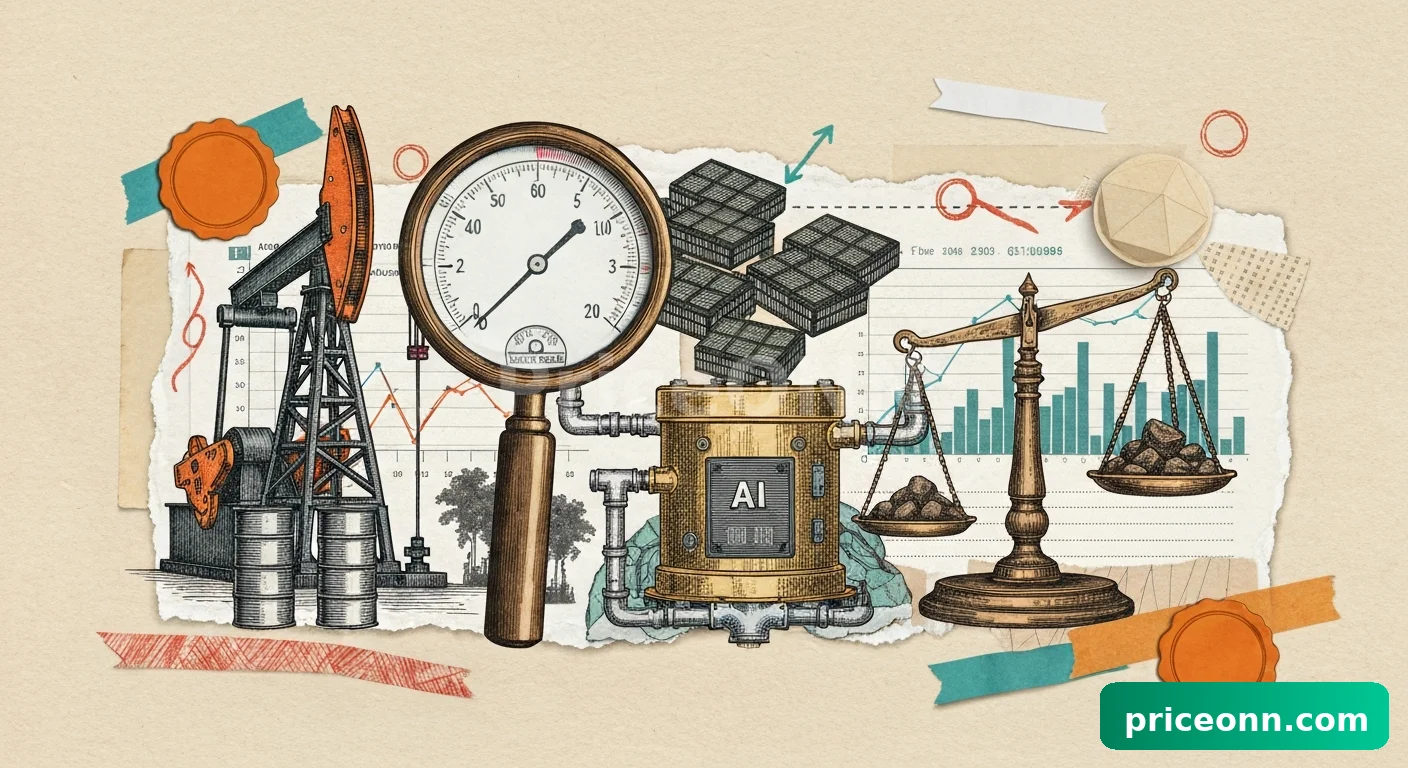
The relentless expansion of artificial intelligence is placing an unprecedented strain on global energy resources. For decades, energy consumption in the United States experienced relatively stable growth, but the proliferation of massive, power-hungry data centers is shattering that equilibrium.
This surge is compelling a significant buildout of new energy infrastructure and prompting extensions for existing power plants, yet current projections indicate it still won't be enough to meet the escalating demand. This critical juncture has even drawn the attention of AI pioneers. Sam Altman, the chief executive of OpenAI, remarked at the 2024 World Economic Forum that achieving the necessary energy output would require a genuine breakthrough. He explicitly stated, "There's no way to get there without a breakthrough," adding that this realization "motivates us to go invest more in fusion.”
Market Context
The AI revolution has become a powerful engine driving investment, research, and development in the field of nuclear fusion. Altman's own venture, Helion Energy, recently achieved a significant milestone by generating plasma at an astonishing 150 million degrees Celsius. This accomplishment is emblematic of a broader global trend, with numerous startups worldwide accelerating progress in the nascent fusion sector. What was once confined to the realm of science fiction is now attracting serious capital from Wall Street, signaling a tangible shift towards commercial viability for this advanced energy technology.
Analysis & Drivers
However, the relationship between artificial intelligence and the pursuit of fusion power presents a complex dynamic. A recent analysis by the International Energy Agency (IEA) highlights a concerning trend: investor capital is increasingly flowing into AI applications, potentially at the expense of vital energy technology innovation. The IEA's "The State of Energy Technology" report indicates a significant diversion of venture capital towards AI software and services, rather than the foundational energy infrastructure needed to power it.
This presents a double-edged sword: AI's demand is the catalyst for seeking advanced energy solutions like fusion, but the investment landscape may be prioritizing AI development itself over the very energy innovations it necessitates. Despite this, the sheer scale of energy required for advanced AI models and the projected growth in data center capacity, estimated to potentially double energy demand in some regions over the next decade, creates a compelling economic incentive for fusion development. The prospect of a clean, virtually limitless energy source is becoming increasingly attractive as traditional energy sources face scrutiny and capacity limitations.
Trader Implications
Traders and investors focused on the energy sector should monitor the flow of capital between AI-specific ventures and advanced energy technologies, particularly nuclear fusion. Key indicators to watch include:
- Venture Capital Investment Trends: Shifts in VC funding towards fusion startups versus AI application development.
- Government Policy and Subsidies: Increased governmental support or funding for fusion research and development could signal a faster path to commercialization.
- Milestones in Fusion Technology: Successful demonstration of net energy gain or sustained plasma reactions by leading fusion companies.
- Energy Demand Forecasts: Updated projections for AI-driven energy consumption, which will underscore the urgency for new power sources.
While commercial fusion power remains years away, the current energy crunch driven by AI could accelerate timelines and unlock significant investment opportunities. Companies involved in fusion research, materials science for fusion reactors, and specialized engineering services may see increased valuations if breakthroughs occur. Conversely, sectors heavily reliant on existing, less scalable energy sources might face increased volatility.
Outlook
The escalating energy demands of artificial intelligence are undeniably pushing the boundaries of current energy production capabilities. This pressure cooker environment is likely to intensify focus and investment into next-generation energy solutions, with nuclear fusion emerging as a frontrunner. While challenges remain in attracting sufficient capital away from immediate AI applications and overcoming the technical hurdles of fusion, the sheer necessity driven by AI could catalyze the breakthrough needed to bring this transformative energy source closer to reality. Market participants should brace for a period of significant innovation and potential disruption in the energy landscape.
Frequently Asked Questions
What is the primary driver for increased interest in nuclear fusion?
The primary driver is the immense and rapidly growing energy demand from artificial intelligence (AI) applications and the expansion of AI data centers. This demand is outstripping the capacity of traditional energy sources and infrastructure, necessitating radical new solutions.
What specific milestone has Helion Energy achieved?
Helion Energy, an AI-pioneered venture, recently achieved a significant milestone by successfully generating plasma at an extremely high temperature of 150 million degrees Celsius, demonstrating progress in fusion technology.
What is the main challenge facing fusion energy development amid the AI boom?
A key challenge is the diversion of investor capital towards AI applications themselves, potentially at the expense of crucial energy technology innovation like fusion. The International Energy Agency (IEA) notes this trend, highlighting the need for balanced investment to power the AI revolution.
Track markets in real-time
Empower your investment decisions with AI-powered analysis, technical indicators and real-time price data.
Join Our Telegram Channel
Get breaking market news, AI analysis and trading signals delivered instantly to your Telegram.
Join Channel

PriceONN