
Will NYSE Tokenized Securities Platform Reshape Stock Trading?
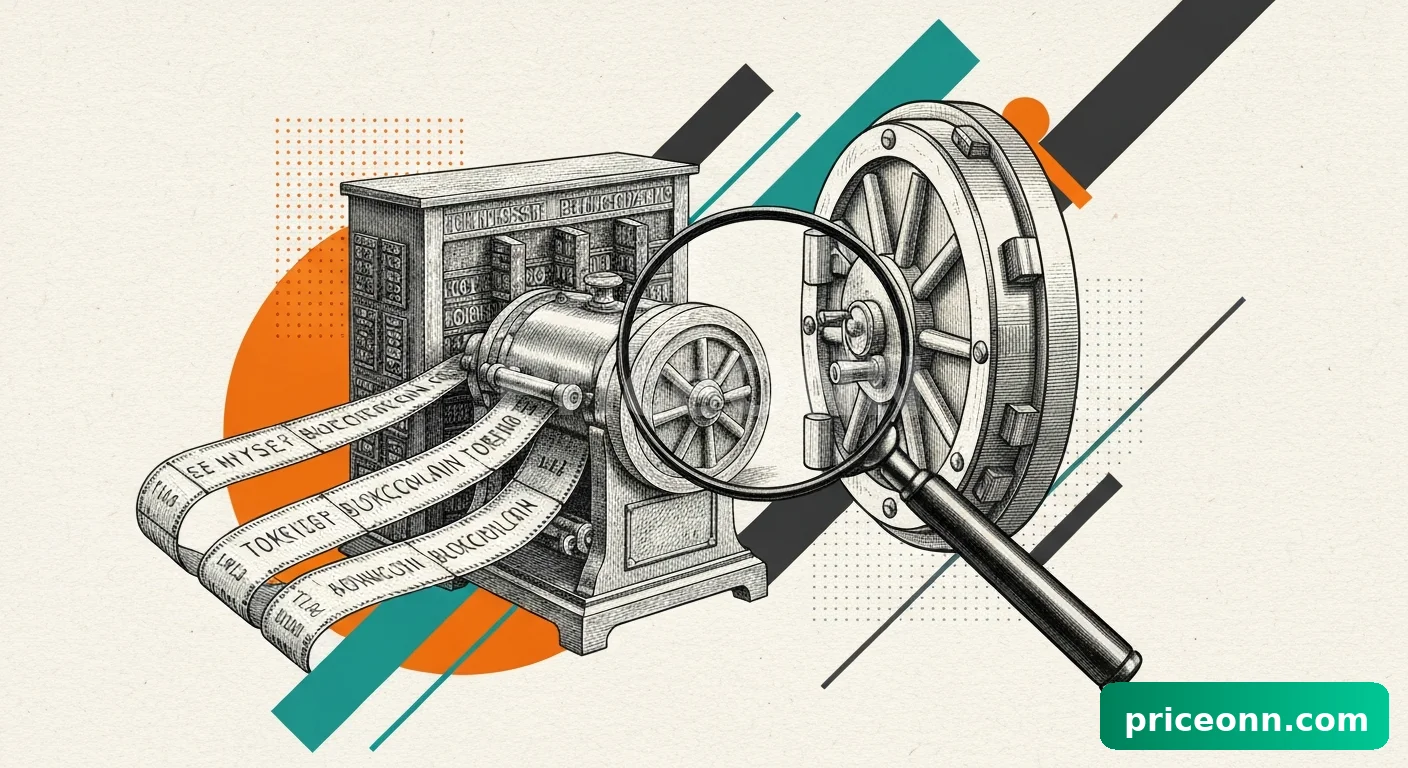
The New York Stock Exchange (NYSE) has announced a landmark partnership with Securitize, a leader in digital asset technology, to establish a novel platform for tokenized securities. This collaboration is poised to usher in a new era of stock trading, characterized by 24/7 operation and enhanced digital integration, potentially reshaping market accessibility and operational efficiency for listed companies and investors alike.
Market Context: A New Digital Frontier for Equities
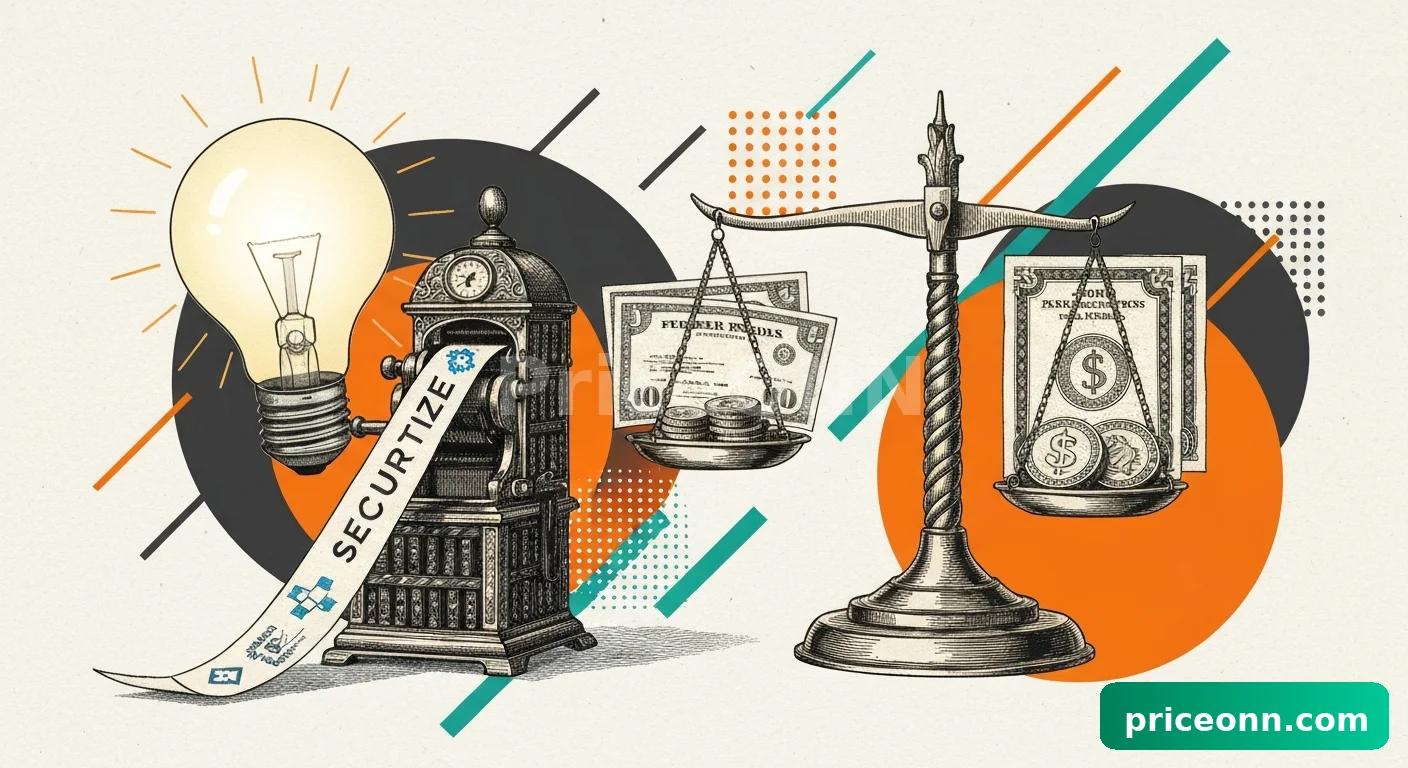
Securitize is set to become the NYSE's first digital transfer agent, tasked with the critical role of minting blockchain-based shares for equities and exchange-traded funds. This strategic alliance underpins the development of the NYSE's forthcoming Digital Trading Platform, a project spearheaded by its parent company, Intercontinental Exchange (ICE). The platform is envisioned to support a fully integrated ecosystem for tokenized securities, operating around the clock and facilitating near-instantaneous settlements, potentially utilizing stablecoins for funding.
This initiative moves beyond mere technological adoption; it represents a deliberate effort to build the foundational standards for digital transfer agents and tokenization facilitators. The agreement specifically addresses the complex regulatory, operational, and technological hurdles associated with issuing and trading digital representations of traditional securities. This includes ensuring that tokenized shares maintain all the rights of traditional shares, such as dividend payouts and voting privileges, whether they are direct digital issuances or tokenized versions of existing stocks.
The development highlights a growing trend among major global exchange operators to explore and integrate distributed ledger technology into their core operations. The promise of tokenized stocks lies in their potential to democratize access to capital markets, offer greater liquidity, and introduce efficiencies through continuous trading and the enablement of fractional ownership. The NYSE's move positions it at the forefront of this digital transformation within traditional finance.
Analysis & Drivers: Blockchain Meets Wall Street
The primary driver behind this partnership is the pursuit of greater market efficiency and accessibility. Traditional stock markets operate on a T+2 settlement cycle, meaning trades take two business days to finalize. A 24/7 trading venue for tokenized securities, coupled with instant settlement capabilities, could dramatically reduce counterparty risk and free up capital more rapidly. Furthermore, the ability to issue shares as digital tokens opens doors for more flexible capital-raising strategies and potentially attracts a new generation of investors accustomed to digital assets.
Securitize's expertise in managing digital assets and its established compliance frameworks are crucial for navigating the stringent regulatory landscape of the securities industry. The NYSE's decision to appoint Securitize as its digital transfer agent underscores the need for specialized knowledge in bridging the gap between legacy financial systems and the emerging world of blockchain. This collaboration is a clear signal that established financial institutions are not just experimenting with blockchain but are actively building infrastructure for its integration.
The underlying technology, distributed ledger technology (DLT), offers inherent benefits in transparency and security. By recording share ownership on a blockchain, the NYSE aims to create a more immutable and auditable record of transactions, which can streamline reconciliation processes and reduce the potential for fraud. The development of robust standards is key to ensuring that this new digital infrastructure is not only innovative but also secure and compliant with existing financial regulations.
Trader Implications: What to Watch Next
For traders and investors, the advent of a NYSE-backed tokenized securities platform carries significant implications. Key levels to watch will be the initial price points of tokenized assets and the trading volumes on the new platform. The efficiency gains from faster settlement could lead to more dynamic trading strategies and potentially alter short-term market volatility. Traders should monitor how liquidity develops on this new venue compared to traditional exchanges.
The development of clear standards for digital transfer agents and tokenization processes will be critical. Investors will need to understand how these new digital shares are custodied, how rights are managed, and the specific regulatory protections in place. The ability to trade 24/7 could also change trading psychology, potentially leading to continuous price discovery outside of traditional market hours. Understanding the technical infrastructure and security protocols will be paramount.
The long-term impact on market structure is substantial. If successful, this model could become a blueprint for other exchanges and could lead to a significant shift of trading volume from traditional venues to digital platforms. Traders should consider how this increased accessibility and potential for fractional ownership might influence asset valuations and market depth across various sectors.
The future of stock trading may well be tokenized, offering enhanced accessibility, 24/7 trading, and faster settlements. As the NYSE and Securitize build out this infrastructure, market participants should prepare for a more integrated and digital financial landscape.
Frequently Asked Questions
What is a tokenized security on the NYSE?
A tokenized security on the NYSE is a digital representation of traditional stocks or ETFs recorded on a blockchain. Securitize will act as the digital transfer agent to mint these blockchain-based shares, ensuring they carry the same rights as conventional securities, such as dividends and voting rights.
What are the main benefits of the NYSE's tokenized securities platform?
The platform aims to offer 24/7 trading, near-instantaneous settlement cycles, and increased market accessibility, including potential for fractional ownership. This could lead to reduced counterparty risk and greater capital efficiency for market participants.
When can traders expect to access this new platform and what are the key risks?
The exact launch date has not been specified, but the partnership signals an active development phase. Key risks for traders include navigating the evolving regulatory framework for digital assets, understanding new custody and security protocols, and potential shifts in market liquidity as trading moves to digital venues.
Track markets in real-time
Empower your investment decisions with AI-powered analysis, technical indicators and real-time price data.
Join Our Telegram Channel
Get breaking market news, AI analysis and trading signals delivered instantly to your Telegram.
Join Channel

PriceONN