Oil Jumps Above $90 as Geopolitical Tensions Escalate in the Middle East
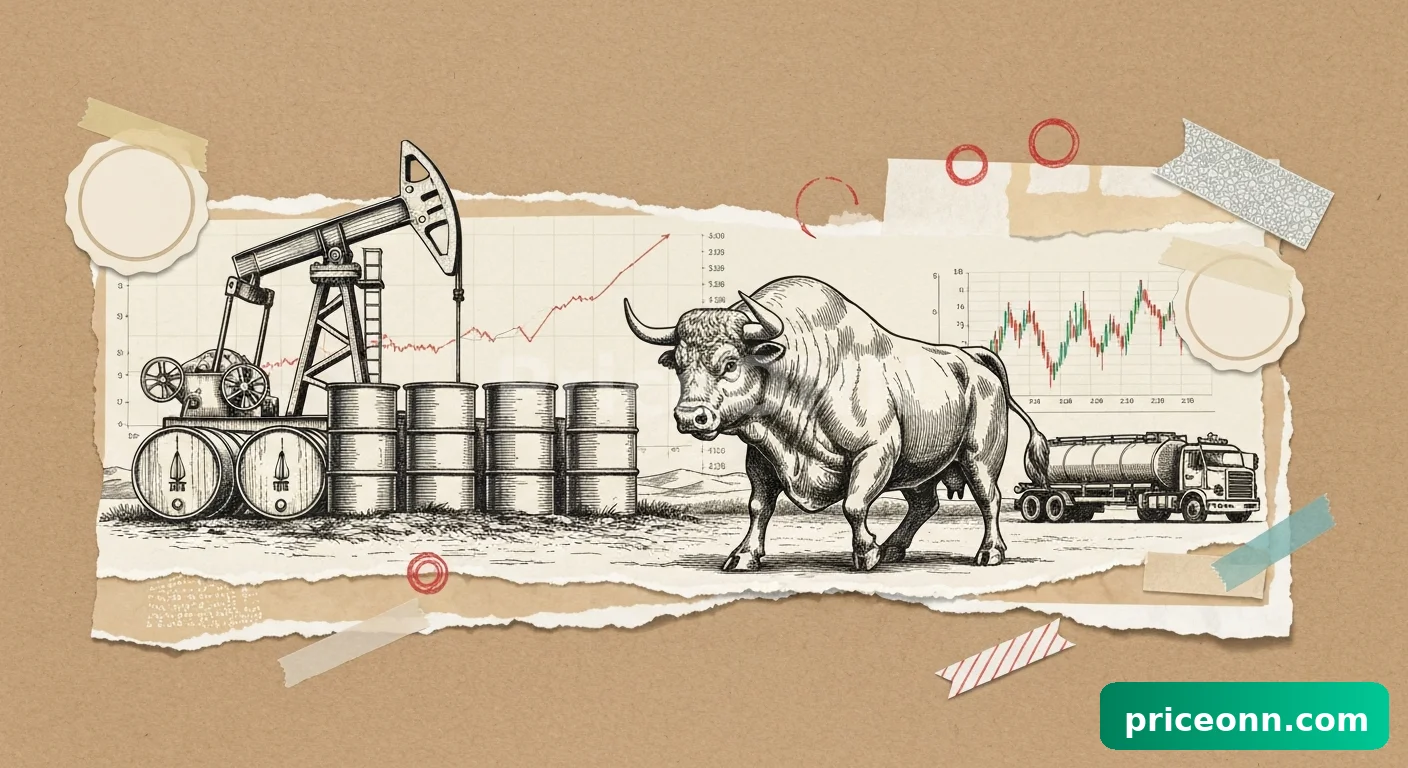
Crude oil prices have jumped above $90 a barrel today as geopolitical tensions intensify in the Middle East. The primary driver is the escalating conflict involving Iran, raising fears of significant disruptions to global oil supply chains.
Market Context
The energy market is highly sensitive to geopolitical events, and the current situation is no exception. The conflict introduces a significant risk premium into oil prices, reflecting concerns about potential supply shortages. Approximately one-fifth of the world’s oil supply passes through the Strait of Hormuz, making it a critical chokepoint. Any disruption to this route could have immediate and substantial impacts on global oil availability and prices. Recent trading has seen Brent crude futures climb from roughly $86 to over $90 in a matter of days, highlighting the market's rapid response to perceived threats.
Analysis & Drivers
Several factors are contributing to the current price surge:
- Geopolitical Risk: The conflict in Iran directly threatens regional stability and raises the possibility of disruptions to oil production and transportation.
- Inflationary Pressures: Rising oil prices contribute to broader inflationary pressures, impacting everything from transportation costs to consumer goods. The International Monetary Fund (IMF) has warned that a sustained 10% increase in oil prices could add approximately 40 basis points to global inflation.
- Central Bank Policies: Central banks are already grappling with inflation, and rising oil prices complicate their efforts to maintain price stability. Higher energy costs may limit their ability to ease monetary policy, potentially slowing economic growth.
- Supply Chain Vulnerabilities: The concentration of oil supply routes through the Strait of Hormuz exposes the market to significant vulnerabilities. Any disruption, whether due to military action or other factors, could trigger a sharp spike in prices.
The current situation is reminiscent of past energy shocks, where geopolitical events have led to rapid and substantial increases in oil prices. These shocks often have cascading effects, impacting bond markets, fiscal balances, and overall economic stability.
Trader Implications
Traders should closely monitor the following:
- Geopolitical Developments: Any escalation or de-escalation of the conflict will likely have a significant impact on oil prices. News reports, official statements, and military developments should be closely watched.
- Key Price Levels: Watch for key resistance levels around $92 and $95 a barrel. A break above these levels could signal further upside potential. Support levels can be found near $88 and $85.
- Volatility: Expect increased volatility in the oil market. Traders should adjust their risk management strategies accordingly, using stop-loss orders and managing position sizes carefully.
- Inflation Data: Keep an eye on inflation reports from major economies. Higher-than-expected inflation could reinforce the upward pressure on oil prices.
For traders, this environment presents both opportunities and risks. Long positions may be profitable if geopolitical tensions continue to escalate. However, short positions could be considered if a diplomatic resolution appears likely. Diversification and careful risk management are essential in this uncertain environment.
Central banks play a critical role in maintaining price stability. Their primary tool is adjusting the benchmark policy rate, also known as the interest rate. When a central bank raises interest rates substantially, it is called monetary tightening, aiming to curb inflation. Conversely, cutting rates is called monetary easing, intended to stimulate economic activity. The independence of central banks allows them to make these decisions based on economic data, without direct political influence.
Outlook
The outlook for oil prices remains highly uncertain, with geopolitical risks continuing to dominate market sentiment. Upcoming events to watch include diplomatic efforts to de-escalate the conflict, production decisions by OPEC+ nations, and inventory reports from major consuming countries. Market sentiment is currently bullish, but a sudden shift in geopolitical dynamics could trigger a sharp reversal. Traders should remain vigilant and adapt their strategies as the situation evolves.