
Çift Tepe ve Çift Dip Formasyonları Nedir?
Çift tepe ve çift dip formasyonlarını öğrenin! Potansiyel trend dönüşlerini belirleyin ve ticaret kararlarınızı geliştirin.
Bir döviz çiftinin bir sonraki hareketinin yönüyle ilgili en güvenilir ipuçlarından bazılarının aslında "M" veya "W" harfi şeklinde olduğunu biliyor muydunuz? Çift tepe ve çift dip olarak adlandırılan bu formasyonlar, güçlü trend dönüşlerini işaret ederek, akıllı yatırımcılara büyük piyasa değişimlerinden faydalanma fırsatı sunar. Bu kalıpları tanımayı öğrenmek, forex cephaneliğinizde gizli bir silaha sahip olmak gibidir.
- Çift Tepe ve Çift Dip grafik formasyonlarını tanımayı öğrenin.
- Bu formasyonların potansiyel trend dönüşlerini nasıl sinyal verdiğini anlayın.
- Ticaretinize bu formasyonları dahil etmek için pratik stratejiler keşfedin.
- Bu formasyonları yorumlarken sık yapılan hatalardan kaçının.
Çift Tepe ve Çift Dip Formasyonları Nedir?
Çift Tepe ve Çift Dip formasyonları, sırasıyla sürekli bir yükseliş veya düşüş trendinin ardından meydana gelen dönüş formasyonlarıdır. Mevcut trendin momentum kaybettiğini ve tersine dönebilir olabileceğini işaret eder. Bu formasyonları tanımak, potansiyel ticaret fırsatları için erken sinyaller sağlayabilir.
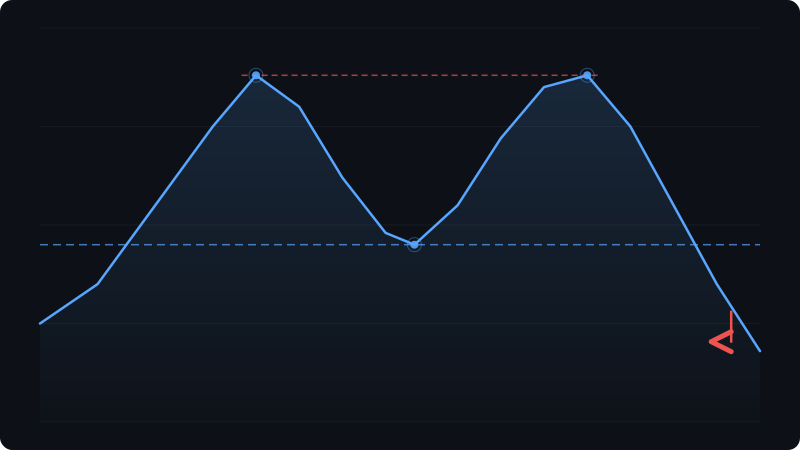
Çift Tepe: Yaklaşık olarak aynı fiyat seviyesinde ardışık iki zirve ile karakterize edilen bir ayı ters dönüş formasyonu; arada bir çukur vardır. Fiyatın direnç seviyesini iki kere kırmakta başarısız olduğunu, dolayısıyla potansiyel bir aşağı yönlü hareketin oluşabileceğini gösterir.
Çift Dip: Yaklaşık olarak aynı fiyat seviyesinde ardışık iki çukur ile karakterize edilen bir boğa ters dönüş formasyonu; arada bir zirve bulunmaktadır. Fiyatın destek seviyesini iki kere aşağı kırmakta başarısız olduğunu, dolayısıyla potansiyel bir yukarı yönlü hareketin oluşabileceğini gösterir.
Bunu, bir topun tavan (Çift Tepe) veya zemin (Çift Dip) ile çarpması gibi düşünün. Top, geçmeye çalışır ama geçemez, bu da yön değişikliğinin muhtemel olduğunu gösterir.
Çift Tepe ve Çift Dip Formasyonları Nasıl Çalışır?
Bu formasyonların arkasındaki psikolojiyi anlamak kritik öneme sahiptir. Çift Tepe formasyonunda alıcılar fiyatı yükseltmeye çalışır ancak güçlü bir dirençle karşılaşır. Bu, direnci iki kez kıramadıkları için alıcıların gücünü kaybettiğini ve satıcıların kontrolü ele alabileceğini gösterir. Tersi durumda, Çift Dip'te satıcılar fiyatı aşağı çekmeye çalışır ama güçlü bir destekle karşılaşır. İki kez desteği kıramaması, satıcıların momentum kaybettiğini ve alıcıların devreye girebileceğini gösterir.
Her bir formasyonun nasıl oluştuğunu inceleyelim:
Çift Tepe Oluşumu:
- Yükseliş Trendi: Fiyat belirgin bir yükseliş trendinde, daha yüksek zirveler ve daha yüksek dipler yapar.
- İlk Zirve: Fiyat bir zirveye ulaşır ve ardından geri çekilerek geçici bir dip oluşturur.
- İkinci Zirve: Fiyat tekrar yükselir, önceki zirvenin üzerine çıkmaya çalışır. Ancak başarılı olamaz ve tekrar aşağı doğru döner, ilk zirve ile hemen hemen aynı seviyede ikinci bir zirve oluşturur.
- Neckline Kırılması: Neckline, iki zirve arasındaki dip ile oluşturulan destek seviyesidir. Neckline'ın altında bir kırılma, formasyonu onaylar ve potansiyel bir aşağı trend sinyali verir.
Çift Dip Oluşumu:
- Düşüş Trendi: Fiyat belirgin bir düşüş trendinde, daha düşük zirveler ve daha düşük dipler yapar.
- İlk Dip: Fiyat bir çukura ulaşır ve sonra yukarı zıplayarak geçici bir zirve oluşturur.
- İkinci Dip: Fiyat tekrar düşer, önceki çukurun altına geçmeye çalışır. Ancak başarılı olamaz ve tekrar yukarı geri döner, ilk ile hemen hemen aynı seviyede ikinci bir dip oluşturur.
- Neckline Kırılması: Neckline, iki dip arasındaki zirve ile oluşturulan direnç seviyesidir. Neckline'ın üzerinde bir kırılma, formasyonu onaylar ve potansiyel bir yukarı trend sinyali verir.
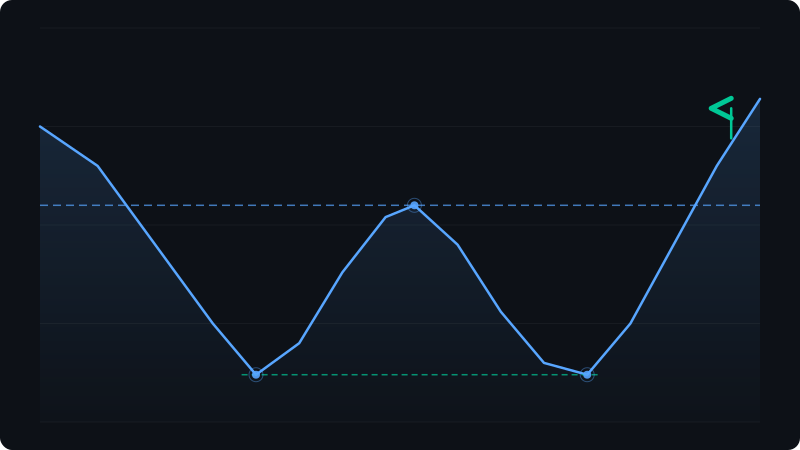
Neckline'ı kritik bir eşik olarak düşünün. Bir kez kırıldığında, bu formasyonu doğruluyor ve fiyatın kırılma yönüne doğru hareket etme olasılığını artırıyor.
Bu Formasyonlar Traderlar İçin Neden Önemli?
Çift Tepe ve Çift Dip formasyonları, potansiyel trend dönüşleri hakkında değerli bilgiler sağlar. Bu formasyonları tanıyarak, traderlar şunları yapabilir:
- Trend Değişikliklerini Tahmin Etmek: Piyasa yönündeki potansiyel değişimleri tam olarak gerçekleşmeden önce tespit etmek.
- Giriş ve Çıkış Noktalarını İyileştirmek: Formasyon doğrulamasına dayalı olarak ticarete giriş veya çıkış için optimal seviyeleri belirlemek.
- Risk Yönetimini Sağlamak: Neckline ve formasyon yapısına dayalı olarak uygun stop-loss emirleri belirlemek.
- Genel Ticaret Stratejisini Geliştirmek: Bu formasyonları daha geniş bir teknik analiz çerçevesine dahil etmek.
Örneğin, EUR/USD üzerinde bir Çift Tepe formasyonu gördüğünüzde, fiyatın neckline'ın altına düştükten sonra kısa pozisyon açmayı düşünebilirsiniz ve stop-loss emrinizi ikinci tepeden yukarıda yerleştirebilirsiniz.
Çift Tepe ve Çift Dip Formasyonlarının Pratik Örnekleri
Şimdi, bu formasyonların gerçek dünya ticaretinde nasıl uygulanabileceğini göstermek için birkaç varsayımsal senaryoyu inceleyelim:
Örnek 1: GBP/USD Üzerinde Çift Tepe
GBP/USD'nin birkaç haftadır yükseliş trendinde olduğunu, 1.3000 seviyesine ulaştığını hayal edin. Fiyat ardından 1.2800'e geriler, sonra tekrar yükselir. Bu sefer 1.3000'in üzerinde çıkmayı başaramaz ve 1.2995'te ikinci bir zirve yapar. Neckline 1.2800'de bulunmaktadır. Fiyat 1.2800'ün altına düştüğünde, Çift Tepe formasyonu onaylanır.
Bir trader 1.2790'da kısa pozisyona girebilir, stop-loss emrini 1.3010'da (ikinci tepenin hemen üzerinde) ve hedef kar seviyesini 1.2600'de belirleyebilir. Bu durum, olumlu bir risk/ödül oranı sunar.
Örnek 2: USD/JPY Üzerinde Çift Dip
Diyelim ki USD/JPY bir düşüş trendindeydi, 140.00 seviyesine ulaştı. Fiyat ardından 142.00'ye sıçradı, sonra tekrar düştü. Bu sefer 140.00'in altına geçmeyi başaramaz ve 140.05'te ikinci bir dip oluşturur. Neckline 142.00'de bulunmaktadır. Fiyat 142.00'ün üzerine çıktığında, Çift Dip formasyonu onaylanır.
Bir trader 142.10'da uzun pozisyona girebilir, stop-loss emrini 139.90'da (ikinci dipin hemen altında) ve hedef kar seviyesini 144.00'da belirleyebilir. Bu, sağlam bir risk/ödül profili sağlar.
Çift Tepe ve Çift Dip Ticareti Yaparken Kaçınılması Gereken Yaygın Hatalar
Bu formasyonlar güçlü olabilir, ancak yaygın tuzaklardan kaçınmak çok önemlidir:
Erken Giriş: Neckline kırılmadan önce bir ticarete girmek. Yanlış sinyallerden kaçınmak için onay bekleyin.
Hacmi Görmezden Gelmek: Ticaret hacmini dikkate almamak. Düşük hacimli bir kırılma güvenilir olmayabilir.
Risk Yönetimini İhmal Etmek: Uygun stop-loss emirleri ayarlamamak. Risk toleransınızı belirleyerek sermayenizi koruyun.
Aşırı Güven: Bu formasyonlara tamamen güvenmek, diğer teknik göstergeler veya temel analizleri dikkate almamak. Bunları kapsamlı bir stratejinin parçası olarak kullanın.
Örneğin, bir Çift Tepe formasyonu gördüğünüzde ama ticaret hacmi düşüyorsa, bu yanlış bir sinyal olabilir. Her zaman diğer göstergeler veya haber olayları ile bir aradalığı araştırın.
Çift Tepe ve Çift Dip Formasyonları İçin Pratik İpuçları
- Formasyonu Onaylayın: Her zaman bir ticarete girmeden önce neckline'ın kırılmasını bekleyin.
- Hacim Analizi Kullanın: Formasyonun geçerliliğini doğrulamak için kırılma sırasında artan hacim arayın.
- Stop-Loss Emirleri Belirleyin: Risk yönetimini sağlamak için stop-loss emirlerini ikinci tepenin hemen üzerinde (Çift Tepe için) veya ikinci dipin hemen altında (Çift Dip için) yerleştirin.
- Hedef Kar Seviyelerini Düşünün: Formasyonun yüksekliğine (zirveler/dipler arasındaki mesafe ve neckline’ın konumu) dayalı potansiyel kar hedeflerini tahmin edin.
- Diğer Göstergelerle Birleştirin: Formasyonu doğrulamak ve ticaret kararlarınızı geliştirmek için hareketli ortalamalar, RSI veya MACD gibi diğer teknik göstergeleri kullanın.
Pratik Egzersiz
Anlayışınızı test edelim. Hayal edin ki bir grafiği analiz ediyorsunuz ve potansiyel bir Çift Dip formasyonu görüyorsunuz. İlk dip 1.1000'de, sıçrama 1.1200'ye kadar çıkıyor ve ikinci dip 1.1005'te. Eğer bu formasyonu ticaret yapmaya karar verirseniz giriş emrinizi, stop-loss'unuzu ve hedef kar seviyenizi nereye yerleştirirsiniz?
Karar verirken neckline, formasyonun yüksekliği ve risk toleransınızı dikkate alın. Unutmayın, doğru risk yönetimi anahtardır!
Sık Sorulan Sorular
Çift Tepe ile Baş ve Omuz formasyonu arasındaki fark nedir?
Her ikisi de dönüş formasyonlarıdır, ancak Baş ve Omuz formasyonu üç zirve (bir baş ve iki omuz) içerirken, Çift Tepe yalnızca yaklaşık olarak aynı seviyede iki zirve içerir. Baş ve Ombuz formasyonu genellikle daha güçlü bir dönüş sinyali olarak kabul edilir.
Çift Tepe ve Çift Dip formasyonları ne kadar güvenilir?
Bu formasyonların güvenilirliği, zaman dilimi, ticaret hacmi ve neckline kırılması onayı gibi çeşitli faktörlere bağlıdır. Hiçbir formasyon %100 güvenilir değildir, bu nedenle her zaman uygun risk yönetim tekniklerini kullanın.
Bu formasyonlar tüm zaman dilimlerinde kullanılabilir mi?
Evet, Çift Tepe ve Çift Dip formasyonları her zaman diliminde tanımlanabilir, kısa vadeli (örneğin, 5 dakikalık grafik) veya uzun vadeli (örneğin, günlük veya haftalık grafik) olabilir. Ancak, daha uzun zaman dilimleri genellikle daha güvenilir sinyaller sağlar.
Çift Tepe veya Çift Dip formasyonunu en iyi nasıl onaylayabilirim?
Bu formasyonları onaylamanın en iyi yolu, fiyatın neckline'ın altına (Çift Tepe için) veya üstüne (Çift Dip için) çıkmasını beklemek ve ticaret hacminin artmasını sağlamaktır. Ayrıca, analizinizi desteklemek için diğer teknik göstergeleri kullanmayı düşünün.
Çift Tepe ve Çift Dip formasyonları, traderların trend dönüşlerini tahmin etmesine yardımcı olacak değerli araçlardır. Bu formasyonların nasıl oluştuğunu anlayarak, yaygın hatalardan kaçınarak ve bunları kapsamlı bir ticaret stratejisine dahil ederek, karar verme sürecinizi geliştirebilir ve forex piyasasındaki başarı şansınızı artırabilirsiniz.