
Бычьи и медвежьи поглощающие паттерны; Руководство для начинающих
Узнайте, как идентифицировать и торговать бычьими и медвежьими поглощающими паттернами, мощными идейными формациями, сигнализирующими о возможных разворотах тренда.
Вы когда-нибудь задумывались, как предугадать возможные развороты тренда на рынке форекс? Паттерны свечей, такие как бычьи и медвежьи поглощающие паттерны, могут предоставить ценные подсказки. Эти паттерны, легко распознаваемые на ценовом графике, могут дать представление о смещении баланса между покупателями и продавцами, потенциально сигнализируя о значительных изменениях в направлении рынка. Понимание этих паттернов может значительно изменить игру для начинающих трейдеров, стремящихся улучшить свои навыки технического анализа.
- Научитесь идентифицировать бычьи и медвежьи поглощающие свечные паттерны.
- Поймите, как эти паттерны могут сигнализировать о потенциальных разворотах тренда.
- Признайте важность подтверждения при торговле поглощающими паттернами.
- Почему овладение свечными паттернами имеет решающее значение для формирования прочной базы в техническом анализе и улучшения ваших торговых решений.
Что такое поглощающие паттерны?
Поглощающие паттерны представляют собой формации из двух свечей, которые предполагают потенциальный разворот текущего тренда. Они считаются одними из наиболее надежных свечных паттернов, особенно когда они появляются на ключевых уровнях поддержки или сопротивления или после длительного тренда. Сила этих паттернов заключается в их возможности визуально представлять значительное изменение в рыночном настроении.
Поглощающий паттерн: Паттерн из двух свечей, где вторая свеча полностью "поглощает" тело первой свечи, сигнализируя о потенциальном развороте тренда.
Существует два типа поглощающих паттернов: бычьи и медвежьи. Давайте рассмотрим каждый из них подробно.
Бычий поглощающий паттерн
Бычий поглощающий паттерн появляется в условиях нисходящего тренда и сигнализирует о потенциальном развороте вверх. Он состоит из двух свечей:
- Медвежья (нисходящая) свеча, продолжающая существующий нисходящий тренд.
- Более крупная бычья (восходящая) свеча, которая полностью поглощает тело предыдущей медвежьей свечи. Открывающая цена бычьей свечи ниже закрывающей цены медвежьей свечи, а закрывающая цена бычьей свечи выше открывающей цены медвежьей свечи.
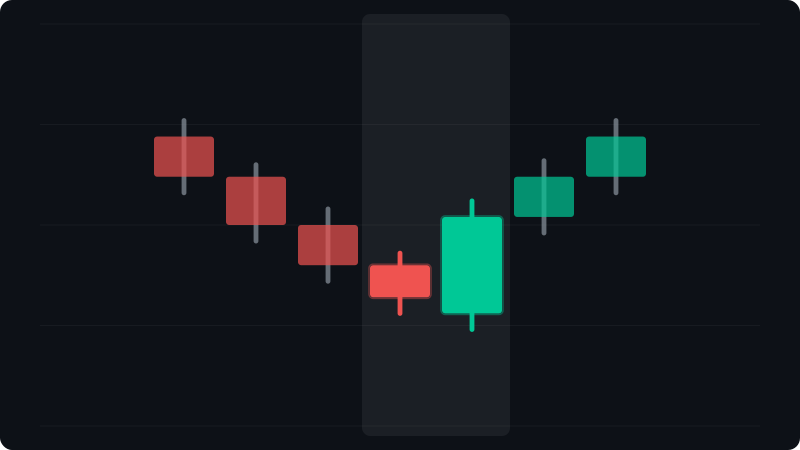
Бычий поглощающий паттерн сообщает о том, что давление продаж ослабевает, и покупатели входят в игру с силой, потенциально разворачивая нисходящий тренд.
Медвежий поглощающий паттерн
Наоборот, медвежий поглощающий паттерн появляется в условиях восходящего тренда и сигнализирует о потенциальном развороте вниз. Он также состоит из двух свечей:
- Бычья (восходящая) свеча, продолжающая существующий восходящий тренд.
- Более крупная медвежья (нисходящая) свеча, которая полностью поглощает тело предыдущей бычьей свечи. Открывающая цена медвежьей свечи выше закрывающей цены бычьей свечи, а закрывающая цена медвежьей свечи ниже открывающей цены бычьей свечи.
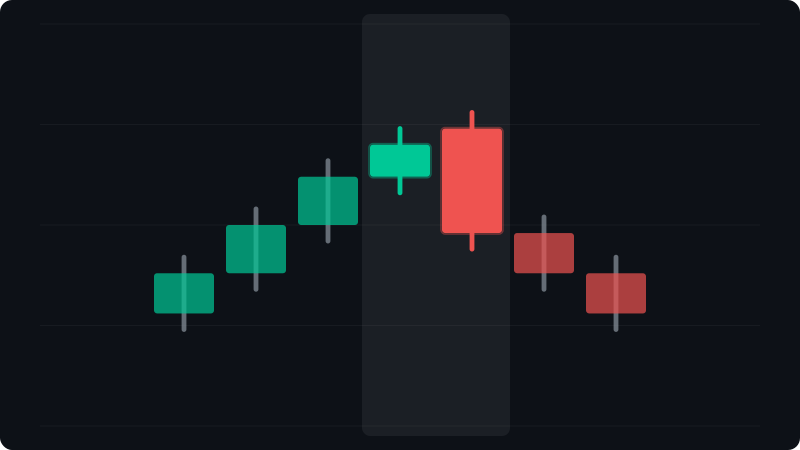
Медвежий поглощающий паттерн указывает на то, что давление покупок ослабевает, и продавцы берут под контроль, потенциально разворачивая восходящий тренд.
Как работают поглощающие паттерны?
Поглощающие паттерны работают, визуально представляя изменение баланса силы между покупателями и продавцами. Давайте разберем динамику:
Понимание динамики бычьего поглощающего паттерна
- Нисходящий тренд: Рынок находится в ясном нисходящем тренде, продавцы контролируют ситуацию.
- Первая медвежья свеча: Первая свеча подтверждает продолжение нисходящего тренда.
- Вторая бычья свеча: Вторая свеча открывается ниже, но затем резко растет, превышая открывающую цену предыдущей медвежьей свечи и закрываясь выше нее. Это показывает, что покупатели превзошли продавцов в этот временной промежуток.
- Смена настроения: Эта внезапная волна интереса к покупкам предполагает потенциальное изменение рыночного настроения с медвежьего на бычье.
Понимание динамики медвежьего поглощающего паттерна
- Восходящий тренд: Рынок находится в ясном восходящем тренде, покупатели контролируют ситуацию.
- Первая бычья свеча: Первая свеча подтверждает продолжение восходящего тренда.
- Вторая медвежья свеча: Вторая свеча открывается выше, но затем резко снижается, падая ниже открывающей цены предыдущей бычьей свечи и закрываясь ниже нее. Это показывает, что продавцы превзошли покупателей в этот временной промежуток.
- Смена настроения: Эта внезапная волна интереса к продажам предполагает потенциальное изменение рыночного настроения с бычьего на медвежье.
Важно помнить, что поглощающие паттерны не являются безошибочными сигналами. Их лучше использовать вместе с другими техническими индикаторами и методами анализа для подтверждения потенциального разворота.
Примеры поглощающих паттернов в реальной жизни
Давайте рассмотрим некоторые гипотетические примеры, чтобы проиллюстрировать, как поглощающие паттерны могут использоваться в торговле. Помните, это упрощенные примеры для образовательных целей и не должны восприниматься как торговый совет.
Пример 1: Бычий поглощающий паттерн на EUR/USD
Представьте, что вы анализируете валютную пару EUR/USD на дневном графике. Вы замечаете, что на протяжении нескольких недель наблюдается нисходящий тренд. Вдруг вы обнаруживаете формирующийся бычий поглощающий паттерн. Первая свеча медвежья, закрывающаяся на уровне 1.0850. Вторая свеча открывается на 1.0830 (немного ниже), но затем резко растет, закрываясь на уровне 1.0900. Эта бычья свеча полностью поглощает тело предыдущей медвежьей свечи.
Этот паттерн предполагает, что нисходящий тренд может терять силу, и покупатели вступают в игру. Трейдер может дождаться дальнейшего подтверждения, например, пробития ближайшего уровня сопротивления, прежде чем рассмотреть возможность длинной позиции. Например, если уровень сопротивления составляет 1.0920, пробитие этого уровня после формирования бычьего поглощающего паттерна может стать более сильным сигналом для входа в длинную позицию.
Пример 2: Медвежий поглощающий паттерн на GBP/JPY
Теперь рассмотрим валютную пару GBP/JPY на 4-часовом графике. Восходящий тренд продолжается несколько дней. Вы наблюдаете формирующийся медвежий поглощающий паттерн. Первая свеча бычья, закрывающаяся на уровне 185.50. Вторая свеча открывается на 185.70 (немного выше), но затем резко снижается, закрываясь на уровне 184.80. Эта медвежья свеча полностью поглощает тело предыдущей бычьей свечи.
Этот паттерн предполагает, что восходящий тренд может ослабевать, и продавцы берут под контроль. Трейдер может искать дополнительное подтверждение, например, пробитие ближайшего уровня поддержки, прежде чем рассмотреть возможность короткой позиции. Если уровень поддержки составляет 184.50, пробитие этого уровня после формирования медвежьего поглощающего паттерна может дать более сильный сигнал для входа в короткую позицию.
Распространенные ошибки и недоразумения
При торговле поглощающими паттернами новички часто совершают определенные ошибки, которые могут привести к потерям. Вот некоторые распространенные ловушки, которых следует избегать:
Игнорирование подтверждения: Торговля поглощающими паттернами изолированно без ожидания подтверждения от других индикаторов или ценового действия.
Поглощающие паттерны более надежны, когда они подтверждаются другими техническими сигналами. Это может включать пробитие линии тренда, движение выше уровня сопротивления (для бычьих поглощающих паттернов) или движение ниже уровня поддержки (для медвежьих поглощающих паттернов). Ожидание подтверждения помогает фильтровать ложные сигналы и улучшает вероятность успешной торговли.
Торговля против общего тренда: Торговля поглощающим паттерном, который противоречит преобладающему долгосрочному тренду.
Хотя поглощающие паттерны могут сигнализировать о краткосрочных разворотах, обычно безопаснее торговать ими в направлении общего тренда. Например, если долгосрочный тренд направлен вверх, ищите бычьи поглощающие паттерны для торговли в направлении тренда. Торговля против тренда может быть рискованнее и менее вероятна для успеха.
Игнорирование размера свечей: Игнорирование относительного размера поглощающей свечи по сравнению с предыдущей свечой.
Чем больше поглощающая свеча, тем сильнее сигнал. Маленькая поглощающая свеча может не иметь такого же веса, как большая, решающая поглощающая свеча. Ищите поглощающие свечи, которые явно доминируют над предыдущей свечой, чтобы указать на значительное изменение рыночного настроения.
Корреляционный анализ: DXY, доходность облигаций, акции, нефть
Понимание того, как поглощающие паттерны соотносятся с более широкими рыночными корреляциями, может существенно улучшить качество ваших торговых решений. Вот как эти паттерны могут взаимодействовать с ключевыми классами активов:
- DXY (Индекс доллара США): Медвежий поглощающий паттерн на валютной паре, такой как EUR/USD, может совпадать с бычьим движением в DXY. Это потому, что слабый евро часто укрепляет доллар. Напротив, бычий поглощающий паттерн на EUR/USD может совпадать со слабым DXY.
- Доходность облигаций: Повышающаяся доходность облигаций иногда может коррелировать с медвежьими поглощающими паттернами на индексах акций. Более высокие доходности могут указывать на ужесточение денежно-кредитной политики, что может негативно сказаться на оценках акций. Напротив, снижающиеся доходности могут поддержать бычьи поглощающие паттерны на индексах акций.
- Акции: Медвежий поглощающий паттерн на крупном индекс акций, таком как S&P 500, может совпадать с медвежьими поглощающими паттернами на отдельных акциях в этом индексе. Это показывает широкую продажу. Напротив, бычий поглощающий паттерн на S&P 500 может совпадать с бычьими поглощающими паттернами на отдельных акциях.
- Нефть: Отношения между поглощающими паттернами и ценами на нефть могут быть сложными и зависеть от различных факторов. Например, бычий поглощающий паттерн на ценах на нефть может произойти в периоды повышенного спроса или сбоев в поставках. Медвежий поглощающий паттерн может возникнуть в периоды избытка предложения или ослабления глобального роста.
Учитывая эти корреляции, трейдеры могут получить более полное представление о рынке и принимать более обоснованные решения, когда торгуют поглощающими паттернами.
Практические советы и ключевые моменты
Вот несколько практических советов, которые следует помнить, когда вы торгуете поглощающими паттернами:
- Ожидайте подтверждения: Всегда ждите подтверждения от других индикаторов или ценового действия перед тем, как входить в сделку.
- Учитывайте тренд: Торгуйте поглощающими паттернами в направлении общего тренда, когда это возможно.
- Оцените размер: Обратите внимание на размер поглощающей свечи относительно предыдущей свечи.
- Используйте ордера стоп-лосс: Всегда используйте ордера стоп-лосс, чтобы ограничить свои потенциальные потери. Обычный подход заключается в том, чтобы разместить стоп-лосс чуть ниже минимума бычьего поглощающего паттерна или чуть выше максимума медвежьего поглощающего паттерна.
- Практикуйте управление рисками: Никогда не рискуйте более чем небольшим процентом вашего торгового капитала в каждой отдельной сделке.
Поглощающие паттерны могут быть ценными инструментами в вашем торговом арсенале, но их следует использовать с осторожностью и в сочетании с другими методами анализа. Понимая динамику этих паттернов и избегая распространенных ошибок, вы можете улучшить свои торговые результаты и повысить шансы на успех.
Часто задаваемые вопросы
Насколько надежны поглощающие паттерны?
Поглощающие паттерны считаются умеренно надежными, но их эффективность зависит от контекста. Они более надежны, когда возникают на ключевых уровнях поддержки или сопротивления, после длительного тренда и когда подтверждаются другими техническими индикаторами.
Какие таймфреймы лучше всего подходят для торговли поглощающими паттернами?
Поглощающие паттерны можно торговать на различных таймфреймах, но они, как правило, более надежны на более длинных таймфреймах, таких как дневные или недельные графики. Более короткие таймфреймы могут быть более подвержены ложным сигналам.
Как установить ордер стоп-лосс при торговле поглощающим паттерном?
Обычный подход состоит в том, чтобы разместить стоп-лосс чуть ниже минимума бычьего поглощающего паттерна или чуть выше максимума медвежьего поглощающего паттерна. Это помогает ограничить ваши потенциальные потери, если паттерн не сработает.
Можно ли использовать поглощающие паттерны с другими техническими индикаторами?
Да, поглощающие паттерны можно эффективно использовать с другими техническими индикаторами, такими как скользящие средние, RSI и MACD. Эти индикаторы могут предоставить дополнительное подтверждение потенциального разворота, сигнализируемого поглощающим паттерном.
Овладев искусством идентификации и интерпретации поглощающих паттернов, вы вооружаетесь мощным инструментом для навигации на рынке форекс. Помните о том, чтобы комбинировать эти знания с принципами здравого управления рисками и стремлением к постоянному обучению. Удачной торговли!