
Модель «Темное облако» и «Просвет в облаках»: Форекс паттерны
Изучите паттерны «Темное облако» и «Просвет в облаках»; поймите их формирование, значение и способы использования в торговле.
Представьте рынок как поле битвы между покупателями и продавцами. Паттерны свечей - это как секретные коды, раскрывающие меняющуюся динамику сил в этой битве. Среди этих кодов выделяются модели «Темное облако» и «Просвет в облаках» как потенциальные сигналы разворота, которые должен знать каждый форекс-трейдер. Понимание этих паттернов может дать раннее представление о потенциальных изменениях тренда, позволяя трейдерам выгодно позиционировать себя.
- Научитесь идентифицировать паттерны свечей «Темное облако» и «Просвет в облаках».
- Поймите бычьи и медвежьи значения каждого паттерна.
- Узнайте, как использовать эти паттерны в сочетании с другими техническими индикаторами.
- Получите практические знания о включении этих паттернов в свою торговую стратегию.
Что такое «Темное облако» и «Просвет в облаках»?
«Темное облако» и «Просвет в облаках» - это паттерны свечей, которые предполагают потенциальные развороты на рынке. Они появляются в противоположных трендах и дают подсказки о том, куда может двигаться рынок. Понимание этих паттернов имеет решающее значение для трейдеров, стремящихся выявить потенциальные поворотные точки и извлечь выгоду из новых трендов.
Темное облако: Медвежий паттерн разворота, который появляется в конце восходящего тренда, сигнализируя о потенциальном переходе к нисходящему тренду.
Просвет в облаках: Бычий паттерн разворота, который появляется в конце нисходящего тренда, предполагая возможный переход к восходящему тренду.
Темное облако: Медвежий разворот
«Темное облако» - это медвежий паттерн разворота, который формируется во время восходящего тренда. Он состоит из двух свечей: первая - бычья свеча, а вторая - медвежья свеча, которая открывается выше максимума предыдущего дня, но закрывается значительно в теле предыдущей бычьей свечи. «Темное облако» предполагает, что бычий импульс теряет силу и на горизонте может появиться медвежий разворот.
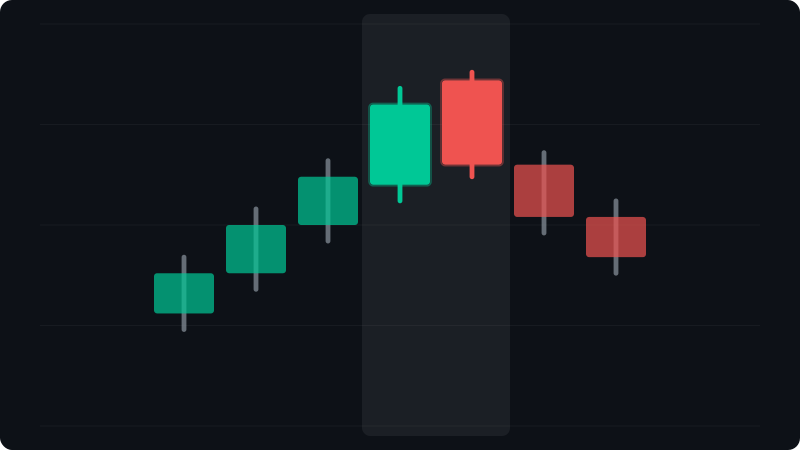
Ключевые характеристики «Темного облака» следующие:
- Восходящий тренд: Паттерн должен появиться после устойчивого восходящего тренда, чтобы быть действительным.
- Бычья свеча: Первая свеча - сильная бычья свеча, указывающая на продолжающееся давление покупателей.
- Медвежья свеча: Вторая свеча открывается выше максимума предыдущей свечи, но затем распродается, чтобы закрыться около своего минимума и, по крайней мере, наполовину в теле предыдущей бычьей свечи.
Почему это важно? «Темное облако» указывает на то, что покупатели изначально пытались подтолкнуть цену выше, но продавцы агрессивно вмешались, подавив быков и снизив цену. Этот сдвиг в импульсе может сигнализировать о потенциальном развороте тренда.
Просвет в облаках: Бычий разворот
«Просвет в облаках» - это бычий аналог «Темного облака». Он появляется в конце нисходящего тренда и предполагает, что медвежий импульс ослабевает и может произойти бычий разворот. Он состоит из двух свечей: первая - медвежья свеча, а вторая - бычья свеча, которая открывается ниже минимума предыдущего дня, но закрывается значительно в теле предыдущей медвежьей свечи.
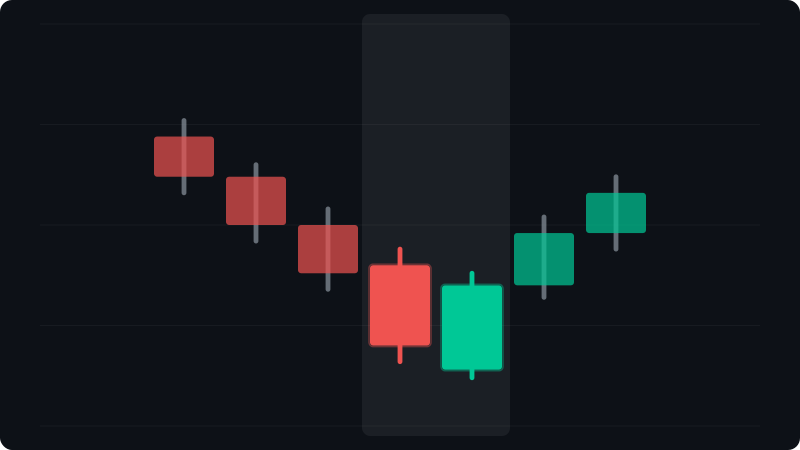
Ключевые характеристики «Просвета в облаках»:
- Нисходящий тренд: Паттерн должен появиться после устойчивого нисходящего тренда.
- Медвежья свеча: Первая свеча - сильная медвежья свеча, указывающая на продолжающееся давление продавцов.
- Бычья свеча: Вторая свеча открывается ниже минимума предыдущей свечи, но затем поднимается, чтобы закрыться около своего максимума и, по крайней мере, наполовину в теле предыдущей медвежьей свечи.
«Просвет в облаках» показывает, что продавцы изначально пытались подтолкнуть цену ниже, но затем покупатели взяли контроль, значительно подняв цену. Это предполагает потенциальный сдвиг в настроениях рынка с медвежьего на бычий.
Как работают эти паттерны?
Чтобы понять, как работают эти паттерны, давайте разберем психологию, стоящую за ними, шаг за шагом:
- Определите тренд: Сначала определите преобладающий тренд. Это восходящий или нисходящий тренд? «Темное облако» появляется в восходящих трендах, а «Просвет в облаках» - в нисходящих трендах.
- Найдите паттерн: Определите паттерн из двух свечей. Для «Темного облака» ищите бычью свечу, за которой следует медвежья свеча, которая открывается выше, но закрывается значительно в теле бычьей свечи. Для «Просвета в облаках» ищите медвежью свечу, за которой следует бычья свеча, которая открывается ниже, но закрывается значительно в теле медвежьей свечи.
- Подтвердите другими индикаторами: Используйте другие технические индикаторы, такие как индекс относительной силы (RSI), скользящие средние или уровни коррекции Фибоначчи, чтобы подтвердить потенциальный разворот.
- Оцените риск: Определите свою точку входа, уровень стоп-лосса и целевую прибыль. Убедитесь, что соотношение риска и вознаграждения является благоприятным.
- Выполните сделку: Как только вы подтвердили паттерн и оценили риск, выполните свою сделку.
Представьте себе это так: «Темное облако» - это как неожиданный шторм в солнечный день, а «Просвет в облаках» - это как луч надежды после темной ночи. Эти паттерны отражают значительные сдвиги в настроениях рынка.
Практические примеры
Давайте рассмотрим пару гипотетических примеров, чтобы проиллюстрировать, как эти паттерны работают на практике.
Пример 1: Темное облако
Предположим, что EUR/USD находится в восходящем тренде в течение нескольких дней. В первый день формируется сильная бычья свеча, закрывающаяся на отметке 1,1050. Во второй день медвежья свеча открывается на отметке 1,1070, но закрывается на отметке 1,1020, более чем наполовину в теле предыдущей бычьей свечи. Это формирует паттерн «Темное облако».
Трейдер может интерпретировать это как сигнал к открытию короткой позиции (продаже) EUR/USD, разместив стоп-лосс ордер чуть выше максимума медвежьей свечи (например, 1,1080) и установив целевую прибыль на основе благоприятного соотношения риска и вознаграждения (например, 1,0980).
Пример 2: Просвет в облаках
Теперь предположим, что GBP/USD находится в нисходящем тренде. В первый день формируется сильная медвежья свеча, закрывающаяся на отметке 1,2500. Во второй день бычья свеча открывается на отметке 1,2480, но закрывается на отметке 1,2530, более чем наполовину в теле предыдущей медвежьей свечи. Это формирует паттерн «Просвет в облаках».
Трейдер может увидеть это как сигнал к открытию длинной позиции (покупке) GBP/USD, разместив стоп-лосс ордер чуть ниже минимума бычьей свечи (например, 1,2470) и установив целевую прибыль на основе благоприятного соотношения риска и вознаграждения (например, 1,2580).
Помните, это гипотетические примеры. Всегда используйте надлежащие методы управления рисками и подтверждайте паттерны другими индикаторами.
Распространенные ошибки, которых следует избегать
Начинающие трейдеры часто совершают несколько ошибок при торговле паттернами «Темное облако» и «Просвет в облаках». Вот некоторые распространенные ошибки, которых следует избегать:
- Игнорирование тренда: Торговля этими паттернами без учета преобладающего тренда может привести к ложным сигналам. Всегда убедитесь, что паттерн появляется в конце четкого восходящего тренда («Темное облако») или нисходящего тренда («Просвет в облаках»).
- Отсутствие подтверждения: Полагаться исключительно на паттерн свечей без подтверждения другими индикаторами может быть рискованно. Используйте такие индикаторы, как RSI, MACD или объем, чтобы подтвердить потенциальный разворот.
- Плохое управление рисками: Неспособность установить соответствующие уровни стоп-лосса может привести к значительным убыткам. Всегда определяйте свою толерантность к риску и устанавливайте стоп-лосс ордера соответствующим образом.
- Чрезмерная торговля: Торговля каждым паттерном «Темное облако» или «Просвет в облаках», который появляется, может привести к чрезмерной торговле и увеличению транзакционных издержек. Будьте избирательны и сосредоточьтесь на высоковероятных установках.
Многие новички вступают в сделки, основываясь исключительно на паттерне, без подтверждения другими индикаторами. Всегда используйте несколько форм анализа.
Торговые стратегии с использованием «Темного облака» и «Просвета в облаках»
Скальперы, свинг-трейдеры и долгосрочные инвесторы могут включать паттерны «Темное облако» и «Просвет в облаках» в свои торговые стратегии. Однако подход будет варьироваться в зависимости от стиля торговли.
- Скальперы: Скальперы могут использовать эти паттерны на более коротких таймфреймах (например, 5-минутных или 15-минутных графиках) для выявления быстрых возможностей разворота. Они обычно стремятся к небольшой прибыли и используют жесткие стоп-лосс ордера.
- Свинг-трейдеры: Свинг-трейдеры могут использовать эти паттерны на дневных или недельных графиках для выявления потенциальных свинг-сделок, которые длятся несколько дней или недель. Они часто сочетают эти паттерны с линиями тренда, уровнями поддержки и сопротивления и коррекциями Фибоначчи.
- Долгосрочные инвесторы: Долгосрочные инвесторы могут использовать эти паттерны на месячных или квартальных графиках для выявления основных разворотов тренда, которые могут длиться несколько месяцев или лет. Они часто учитывают фундаментальные факторы в дополнение к техническому анализу.
Кроме того, корреляционный анализ может предоставить ценную информацию. Например:
- DXY (индекс доллара США): Медвежье «Темное облако» на валютной паре, такой как EUR/USD, может совпадать с бычьим «Просветом в облаках» на DXY, подтверждая потенциальную силу доллара.
- Доходность облигаций: Рост доходности облигаций может поддержать бычий «Просвет в облаках» на валютной паре, поскольку более высокая доходность часто привлекает иностранные инвестиции.
- Акции: Медвежье «Темное облако» на валютной паре может совпадать с медвежьим паттерном разворота на фондовых индексах, что предполагает более широкое неприятие риска.
- Нефть: Бычий «Просвет в облаках» на валютной паре может коррелировать с ростом цен на нефть, особенно для валют, связанных с сырьевыми товарами, таких как CAD или AUD.
Практическое упражнение
Вот небольшое упражнение, чтобы проверить ваше понимание:
Представьте, что вы анализируете дневной график USD/JPY. Вы замечаете устойчивый восходящий тренд, за которым следует паттерн «Темное облако». Первая свеча - сильная бычья свеча, закрывающаяся на отметке 110,50. Вторая свеча открывается на отметке 110,70, но закрывается на отметке 110,20, более чем наполовину в теле предыдущей бычьей свечи. RSI показывает условия перекупленности на уровне 75.
Каким будет ваш торговый план?
Вот возможный подход:
- Подтвердите паттерн: Паттерн «Темное облако» присутствует после устойчивого восходящего тренда.
- Проверьте RSI: RSI перекуплен, что поддерживает потенциальный разворот.
- Точка входа: Откройте короткую позицию (продажу) на уровне 110,10.
- Стоп-лосс: Разместите стоп-лосс ордер чуть выше максимума медвежьей свечи на уровне 110,80.
- Целевая прибыль: Установите целевую прибыль на основе соотношения риска и вознаграждения 1:2, например, 109,40.
Это упражнение поможет вам применить концепции, изученные в этой статье, к реальному сценарию. Продолжайте практиковаться, чтобы отточить свои навыки.
Часто задаваемые вопросы
Насколько надежны паттерны «Темное облако» и «Просвет в облаках»?
Эти паттерны более надежны, когда они появляются после четкого тренда и подтверждаются другими техническими индикаторами. Ни один паттерн не является надежным, поэтому всегда используйте методы управления рисками.
Можно ли использовать эти паттерны на всех таймфреймах?
Да, но их надежность может варьироваться. Более короткие таймфреймы могут давать больше ложных сигналов, в то время как более длинные таймфреймы, как правило, более надежны, но предлагают меньше торговых возможностей.
Каково идеальное соотношение риска и вознаграждения при торговле этими паттернами?
Обычно рекомендуется соотношение риска и вознаграждения не менее 1:2. Это означает, что на каждый доллар, которым вы рискуете, вы стремитесь получить не менее двух долларов прибыли.
Как установить стоп-лосс ордер при торговле этими паттернами?
Для «Темного облака» разместите стоп-лосс ордер чуть выше максимума медвежьей свечи. Для «Просвета в облаках» разместите стоп-лосс ордер чуть ниже минимума бычьей свечи. Это помогает защитить ваш капитал, если паттерн не сработает.
Понимая паттерны «Темное облако» и «Просвет в облаках», трейдеры могут получить ценную информацию о потенциальных разворотах тренда. Не забывайте сочетать эти паттерны с другими техническими индикаторами и всегда практикуйте надлежащее управление рисками. Удачной торговли!