
Торговля по паттерну Прямоугольник: консолидация и пробои
Узнайте, как определять паттерн Прямоугольник в торговле на рынке Forex, понимать его значение и разрабатывать стратегии для торговли на пробоях.
Представьте, что вы смотрите теннисный матч. Игроки перебрасывают мяч туда-сюда, но ни один не может получить явное преимущество. Счет остается прежним в течение некоторого времени, создавая период бокового движения. Это похоже на то, что происходит на рынке Forex, когда валютная пара входит в паттерн Прямоугольник, период консолидации перед потенциальным пробоем.
- Паттерны Прямоугольник сигнализируют о консолидации перед потенциальными пробоями.
- Понимание уровней поддержки и сопротивления внутри паттерна имеет решающее значение.
- Подтверждение пробоя с помощью ценового действия и объема необходимо для успешной торговли.
- Методы управления рисками, такие как ордера стоп-лосс, жизненно важны при торговле паттернов Прямоугольник.
Что такое паттерн Прямоугольник?
Паттерн Прямоугольник, также известный как торговый диапазон или паттерн консолидации, формируется, когда цена валютной пары движется вбок между двумя параллельными горизонтальными линиями. Эти линии действуют как уровни поддержки и сопротивления, удерживая цену в пределах определенного диапазона. Паттерн указывает на временное равновесие между покупателями и продавцами, прежде чем цена в конечном итоге вырвется в любом направлении.
Паттерн Прямоугольник: Графический паттерн, характеризующийся консолидацией цены между горизонтальными уровнями поддержки и сопротивления, указывающий на период равновесия перед пробоем.
Представьте это как перетягивание каната. Покупатели и продавцы тянут цену в противоположных направлениях, но ни одна из сторон не может набрать достаточно сил, чтобы сломить тупик. Это создает боковое движение, которое определяет паттерн Прямоугольник. Продолжительность паттерна может варьироваться от нескольких дней до нескольких недель или даже месяцев.
Паттерн Прямоугольник является ценным инструментом для трейдеров, поскольку он дает представление о потенциальных будущих движениях цены. Выявляя паттерн и понимая его характеристики, трейдеры могут подготовиться к потенциальным пробоям и разработать стратегии для получения прибыли от них.
Как работает паттерн Прямоугольник?
Формирование паттерна Прямоугольник включает в себя серию ценовых движений, которые создают горизонтальные уровни поддержки и сопротивления. Вот пошаговая разбивка того, как это работает:
- Начальный восходящий или нисходящий тренд: Цена может войти в паттерн после существующего восходящего или нисходящего тренда, или она может просто начать консолидироваться после периода нестабильного ценового действия.
- Установление поддержки: Цена снижается до определенного уровня, где покупатели вступают в игру и предотвращают дальнейшее движение вниз, создавая уровень поддержки.
- Установление сопротивления: Цена поднимается до определенного уровня, где продавцы вступают в игру и предотвращают дальнейшее движение вверх, создавая уровень сопротивления.
- Консолидация в пределах диапазона: Цена колеблется между уровнями поддержки и сопротивления, создавая прямоугольную форму на графике.
- Пробой: В конце концов, цена пробивает либо уровень поддержки, либо уровень сопротивления, сигнализируя об окончании периода консолидации и начале нового тренда.
Пробой - это ключевое событие, за которым нужно следить. Это указывает на то, что либо покупатели, либо продавцы набрали достаточно сил, чтобы преодолеть противодействующую силу. Пробой выше уровня сопротивления предполагает продолжение предыдущего восходящего тренда или начало нового, в то время как пробой ниже уровня поддержки предполагает продолжение предыдущего нисходящего тренда или начало нового.
Объем часто играет решающую роль в подтверждении достоверности пробоя. Пробой, сопровождающийся всплеском объема, указывает на сильную убежденность участников рынка и увеличивает вероятность устойчивого движения в направлении пробоя.
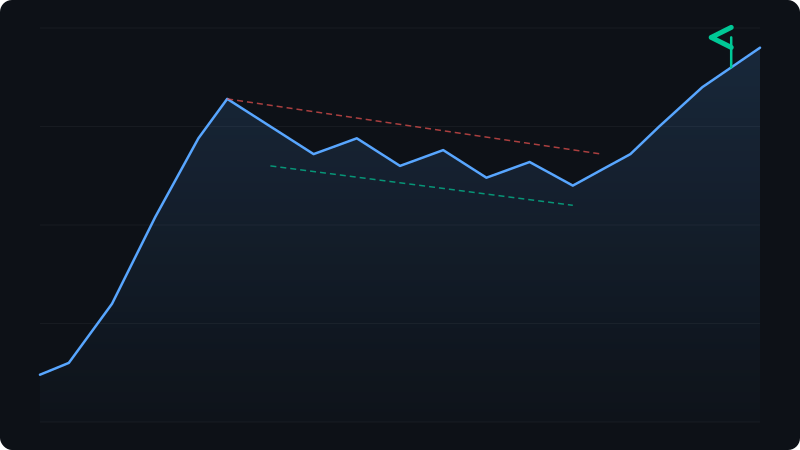
Реальные примеры торговли по паттерну Прямоугольник
Давайте рассмотрим пару гипотетических примеров, чтобы проиллюстрировать, как паттерн Прямоугольник можно использовать в торговле:
Пример 1: Бычий пробой
Представьте, что пара EUR/USD торгуется между 1.0800 и 1.0850 в течение нескольких дней, образуя паттерн Прямоугольник. Трейдер идентифицирует этот паттерн и ожидает потенциальный бычий пробой.
- Идентификация: Трейдер идентифицирует паттерн Прямоугольник с поддержкой на уровне 1.0800 и сопротивлением на уровне 1.0850.
- Вход: Трейдер ждет, пока цена не пробьет уровень сопротивления 1.0850. Как только цена закрывается выше этого уровня с увеличенным объемом, трейдер открывает длинную позицию на уровне 1.0855.
- Стоп-лосс: Трейдер размещает ордер стоп-лосс чуть ниже уровня сопротивления, который теперь действует как поддержка, на уровне 1.0845. Это ограничивает потенциальные убытки в случае неудачного пробоя.
- Цель: Трейдер рассчитывает целевую цену, измеряя высоту прямоугольника (0.0050) и добавляя ее к точке пробоя (1.0850), в результате чего получается цель 1.0900.
- Результат: Цена движется в ожидаемом направлении, достигая цели 1.0900 в течение нескольких дней. Трейдер выходит из позиции с прибылью.
Пример 2: Медвежий пробой
Рассмотрим пару GBP/USD, торгующуюся в диапазоне 1.2500 и 1.2550, образуя паттерн Прямоугольник. Трейдер ожидает потенциальный медвежий пробой.
- Идентификация: Трейдер идентифицирует паттерн Прямоугольник с поддержкой на уровне 1.2500 и сопротивлением на уровне 1.2550.
- Вход: Трейдер ждет, пока цена не пробьет уровень поддержки 1.2500. Как только цена закрывается ниже этого уровня с увеличенным объемом, трейдер открывает короткую позицию на уровне 1.2495.
- Стоп-лосс: Трейдер размещает ордер стоп-лосс чуть выше уровня поддержки, который теперь действует как сопротивление, на уровне 1.2505. Это ограничивает потенциальные убытки в случае неудачного пробоя.
- Цель: Трейдер рассчитывает целевую цену, измеряя высоту прямоугольника (0.0050) и вычитая ее из точки пробоя (1.2500), в результате чего получается цель 1.2450.
- Результат: Цена движется в ожидаемом направлении, достигая цели 1.2450 в течение нескольких дней. Трейдер выходит из позиции с прибылью.
Эти примеры подчеркивают важность выявления паттерна Прямоугольник, ожидания подтвержденного пробоя и использования соответствующих методов управления рисками. Не забудьте использовать калькулятор размера позиции PriceONN, чтобы определить подходящие размеры позиций для ваших сделок!
Распространенные ошибки и заблуждения
Торговля паттернов Прямоугольник может быть прибыльной, но важно избегать распространенных ошибок и заблуждений:
- Ложные пробои: Распространенной ошибкой является вступление в сделку сразу после пробоя, не дожидаясь подтверждения. Цена может ненадолго пробить уровень поддержки или сопротивления, прежде чем развернуться, что приведет к убыточной сделке. Всегда ждите подтвержденного пробоя с увеличенным объемом, прежде чем открывать позицию.
- Игнорирование управления рисками: Неиспользование ордеров стоп-лосс является серьезной ошибкой. Без стоп-лосса неудачный пробой может привести к значительным убыткам. Всегда устанавливайте ордер стоп-лосс, чтобы ограничить свой потенциальный убыток.
- Торговля без подтверждения: Некоторые трейдеры могут попытаться предвидеть направление пробоя и открыть позицию до его наступления. Это рискованно, потому что направление пробоя неопределенно. Лучше всего дождаться подтвержденного пробоя, прежде чем вступать в сделку.
- Чрезмерное кредитное плечо: Использование чрезмерного кредитного плеча может увеличить как прибыль, так и убытки. Начинающим следует начинать с низкого кредитного плеча и постепенно увеличивать его по мере приобретения опыта и уверенности. Используйте калькулятор кредитного плеча PriceONN, чтобы определить подходящие уровни кредитного плеча.
Вступление в сделку до подтвержденного пробоя может привести к ложным сигналам и убыткам. Всегда ждите, пока цена закроется за пределами поддержки или сопротивления с увеличением объема.
Практические советы по торговле паттернов Прямоугольник
Вот несколько практических советов, которые помогут улучшить вашу стратегию торговли паттернов Прямоугольник:
- Подтверждайте пробои объемом: Ищите значительное увеличение объема во время пробоя. Более высокий объем указывает на более сильную убежденность и увеличивает вероятность устойчивого движения.
- Используйте подтверждение ценового действия: Подождите, пока свеча закроется за уровнем поддержки или сопротивления, прежде чем открывать сделку. Это помогает подтвердить достоверность пробоя.
- Устанавливайте реалистичные цели: Используйте высоту прямоугольника, чтобы оценить потенциальные цели прибыли. Однако будьте реалистичны и учитывайте другие факторы, такие как близлежащие уровни поддержки и сопротивления.
- Корректируйте ордера стоп-лосс: По мере того, как цена движется в вашу пользу, рассмотрите возможность корректировки ордера стоп-лосс, чтобы зафиксировать прибыль и защититься от потенциальных разворотов.
- Комбинируйте с другими индикаторами: Используйте другие технические индикаторы, такие как скользящие средние или осцилляторы, чтобы подтвердить пробой и повысить точность ваших торговых решений.
Объедините анализ паттерна Прямоугольник с фундаментальным анализом, чтобы получить более полное представление о рынке. Экономические новости и события часто могут вызывать пробои из паттернов консолидации.
Часто задаваемые вопросы
В чем разница между паттерном Прямоугольник и паттерном Флаг?
Оба являются паттернами консолидации, но паттерн Прямоугольник формируется с горизонтальной поддержкой и сопротивлением, в то время как паттерн Флаг наклоняется против преобладающего тренда.
Насколько надежны паттерны Прямоугольник?
Паттерны Прямоугольник могут быть надежными, но важно подтверждать пробои объемом и ценовым действием. Могут возникать ложные пробои, поэтому управление рисками имеет решающее значение.
Можно ли использовать паттерны Прямоугольник на всех таймфреймах?
Да, паттерны Прямоугольник можно идентифицировать на всех таймфреймах, от краткосрочных графиков до долгосрочных графиков. Однако более долгосрочные паттерны могут быть более надежными.
Как лучше всего управлять рисками при торговле паттернов Прямоугольник?
Используйте ордера стоп-лосс, чтобы ограничить потенциальные убытки в случае неудачного пробоя. Кроме того, рассмотрите возможность корректировки размера своей позиции в зависимости от вашей толерантности к риску и размера счета.
Паттерн Прямоугольник является ценным инструментом для трейдеров Forex. Понимая его характеристики, выявляя потенциальные пробои и внедряя эффективные методы управления рисками, вы можете увеличить свои шансы на успех на рынке. Продолжайте практиковаться и не бойтесь использовать образовательные ресурсы PriceONN, чтобы и дальше совершенствовать свои торговые навыки.