
Bitcoin's DeFi Evolution: OP_NET Introduces 'SlowFi' Directly on-Chain
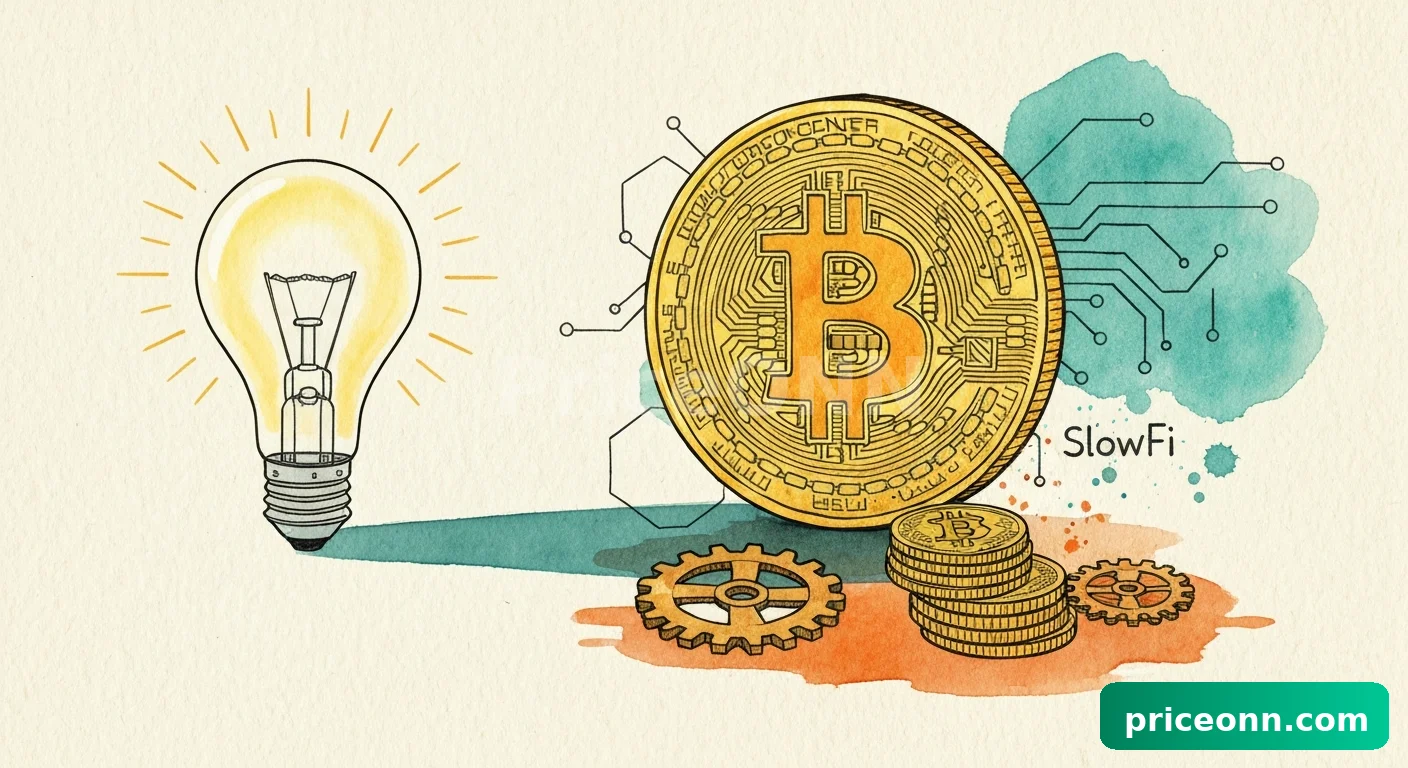
Bitcoin is witnessing a significant evolution in its decentralized finance (DeFi) capabilities with the launch of OP_NET's novel 'SlowFi' stack. This new framework allows smart contracts to operate directly within standard Bitcoin transactions, utilizing native BTC not only as the primary asset but also as the sole gas fee. This approach deliberately sidesteps the need for external bridges or wrapped Bitcoin (wBTC) solutions, aiming to create a more integrated and potentially less costly DeFi ecosystem on the Bitcoin network.
Market Context
The introduction of 'SlowFi' arrives at a critical juncture for the Bitcoin network, where a debate intensifies regarding the optimal use of its block space. Proponents argue that DeFi and data-intensive applications strengthen the network's fee market, providing essential revenue for miners. Conversely, critics express concerns that such uses could be perceived as spam, potentially crowding out fundamental monetary transactions. OP_NET's strategy directly addresses these points by embedding DeFi functionality within the core Bitcoin protocol, using BTC as the gas asset. According to market data, a typical swap transaction under normal fee conditions could cost between $1 to $2, with congested periods potentially seeing fees rise to approximately $10 to $20. Crucially, these fees are paid directly in BTC, eliminating the overhead and complexity associated with separate gas tokens or wrapped asset conversions.
Analysis & Drivers
The core innovation behind OP_NET's 'SlowFi' lies in its ability to execute smart contracts directly on the Bitcoin blockchain without relying on third-party bridges or token wrapping. This is a significant departure from many existing DeFi solutions on other networks, which often require assets to be locked and represented by a wrapped version on a different chain. By using standard Bitcoin transactions and requiring only native BTC for gas, OP_NET aims to enhance security, reduce counterparty risk, and potentially lower transaction costs for users interacting with its DeFi stack. The decision to use BTC as the sole gas asset is particularly noteworthy, as it directly ties the utility of DeFi applications to the value and demand for Bitcoin itself. This could foster a stronger symbiotic relationship between Bitcoin's monetary properties and its emergent financial applications, aligning with the network's core principles while expanding its use cases.
Trader Implications
For traders and investors in the cryptocurrency space, OP_NET's 'SlowFi' launch presents several key implications. Firstly, it signals a maturing of the Bitcoin DeFi ecosystem, potentially attracting new capital and developers seeking to build on a more secure and integrated foundation. Traders should monitor the adoption rate of 'SlowFi' applications and the associated transaction volumes. The cost-efficiency claims, with swaps potentially costing between $1-$2 normally and up to $10-$20 during congestion, are a significant draw. Traders should pay close attention to the actual fee structures and network congestion levels when evaluating the viability of these applications. Furthermore, the success of 'SlowFi' could influence the broader narrative around Bitcoin's utility beyond a simple store of value, potentially impacting BTC's price action. Key levels to watch will be the sustained adoption metrics and any subsequent development of native BTC-denominated DeFi instruments. The risk factor remains the potential for increased network congestion, which, while addressed by the fee structure, could still lead to slower transaction times.
Outlook
The future trajectory of Bitcoin's DeFi landscape hinges on innovations like OP_NET's 'SlowFi'. If this model proves scalable and cost-effective, it could pave the way for a more robust and user-friendly DeFi experience directly on Bitcoin. The ability to conduct complex financial operations using only native BTC without the complexities of bridges or wrapped assets is a compelling proposition. Market participants will be watching to see if this 'SlowFi' approach gains traction and whether it can effectively balance the demand for DeFi services with the network's capacity for monetary transactions. Upcoming developments in the Bitcoin ecosystem, particularly those focused on Layer 2 solutions and protocol upgrades, will be crucial in shaping the long-term viability and impact of such on-chain DeFi initiatives.
Frequently Asked Questions
What is OP_NET's 'SlowFi' and how does it differ from existing Bitcoin DeFi solutions?
OP_NET's 'SlowFi' is a DeFi stack that enables smart contracts directly on the Bitcoin blockchain using native BTC for all transaction fees. Unlike many other solutions, it avoids the use of external bridges or wrapped Bitcoin (wBTC), aiming for a more integrated and potentially cheaper experience.
What are the potential transaction costs associated with 'SlowFi'?
Market data suggests that typical swap transactions on 'SlowFi' could cost around $1 to $2 under normal network conditions. During periods of high congestion, these fees may rise to approximately $10 to $20, all paid in native BTC.
What is the outlook for 'SlowFi' and its impact on Bitcoin's price?
The outlook for 'SlowFi' depends on its adoption and scalability. If successful, it could enhance Bitcoin's utility and potentially attract more investment, positively influencing BTC's price. Continued development and user uptake will be key indicators for its long-term impact.
Track markets in real-time
Empower your investment decisions with AI-powered analysis, technical indicators and real-time price data.
Join Our Telegram Channel
Get breaking market news, AI analysis and trading signals delivered instantly to your Telegram.
Join Channel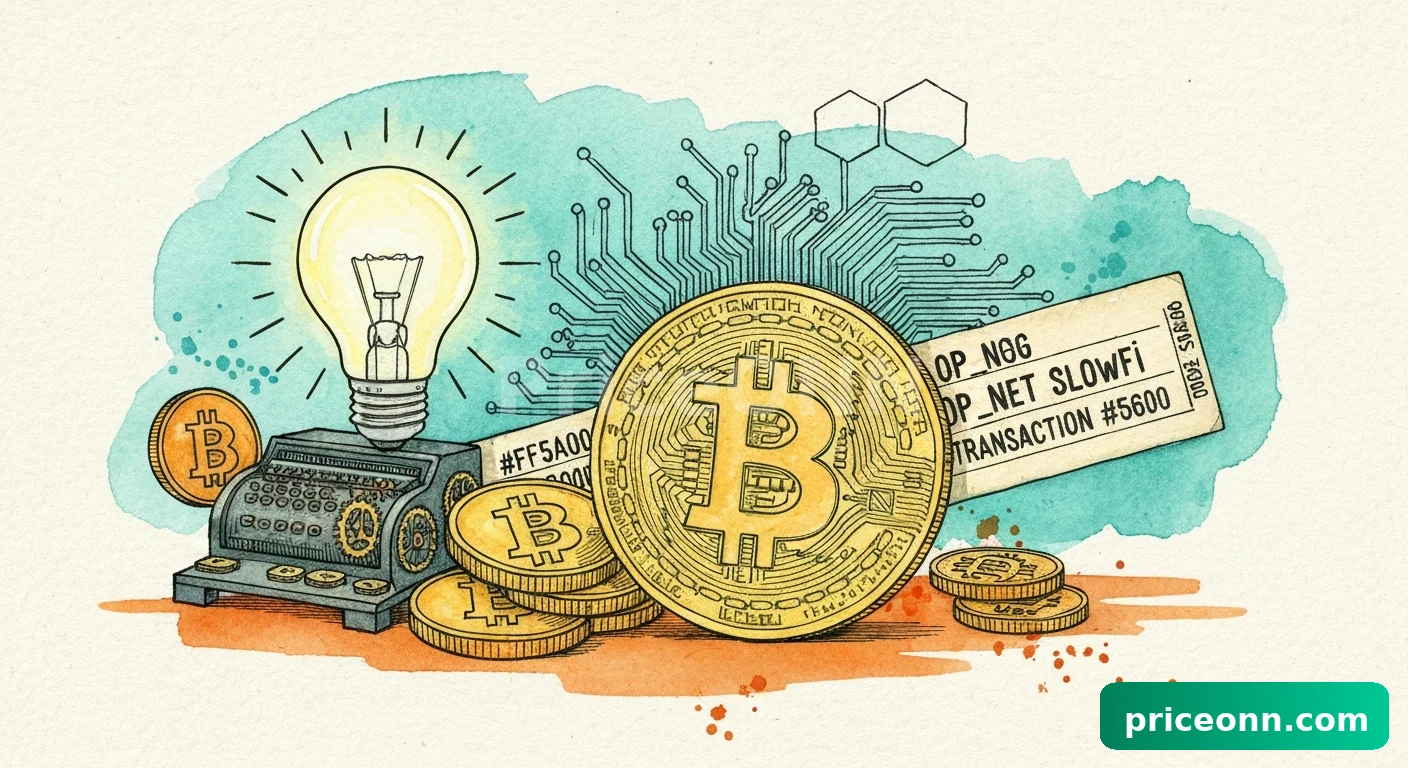

PriceONN