BoE: On hold as CPI stays above target – Societe Generale

Inflationary Headwinds Persist
The United Kingdom's battle with inflation shows no signs of abating quickly, prompting the Bank of England (BoE) to hold its monetary policy steady. Recent analysis from Societe Generale highlights a disconnect between market pricing and the central bank's likely actions, with traders still anticipating significant rate reductions in the near future.
Market participants are currently pricing in approximately 70 basis points of easing by the end of 2026. However, this optimism appears to be met with a degree of caution from the Monetary Policy Committee (MPC). While the exact timing and magnitude of future policy shifts remain uncertain, the prevailing sentiment among economists at Societe Generale suggests that borrowing costs are unlikely to decrease within the current year.
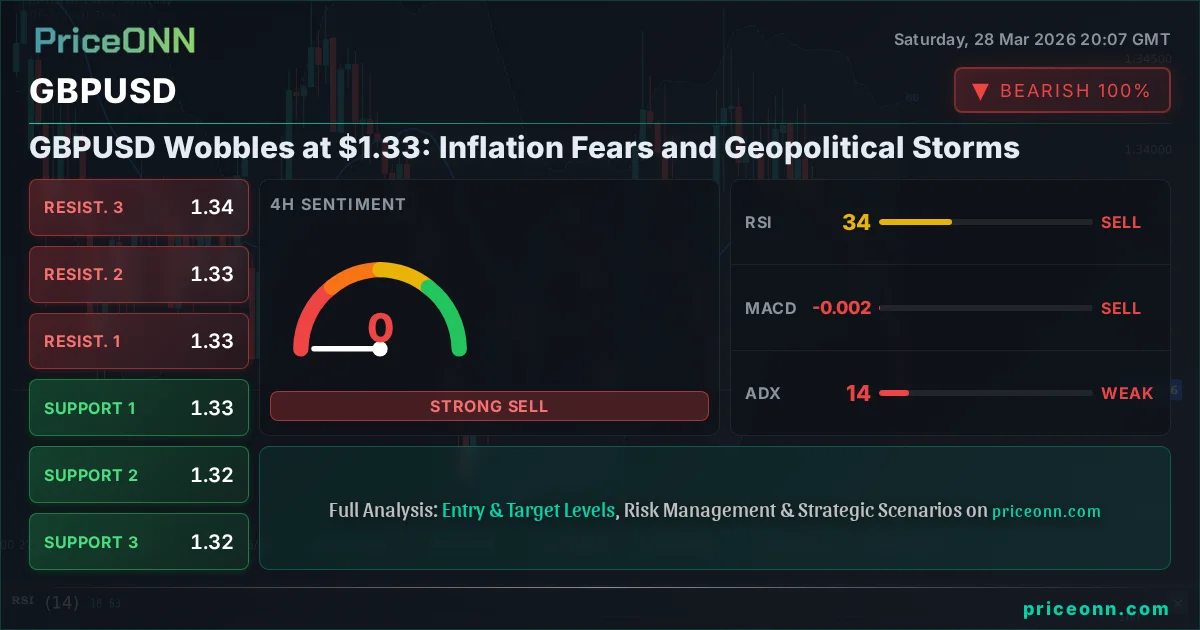
Fuel Costs and Inflation Projections
The upward pressure on consumer prices is being exacerbated by rising fuel costs. Societe Generale's team forecasts that these elevated energy prices will nudge headline Consumer Price Index (CPI) figures slightly higher than the BoE's own projections. The inflation rate is expected to hover around the 3% to 3.5% range for a considerable period.
Despite this immediate inflationary surge, the analysts point to underlying economic factors that should prevent a persistent, broad based rise in prices. They argue that considerable slack within the economy, coupled with weakening consumer demand, is likely to limit the extent to which higher initial price shocks feed into wider inflation expectations and wage demands. This suggests that firms' ability to pass on increased costs to consumers is diminishing.
Key Economic Indicators to Watch
Looking ahead, the economic calendar for the UK this week is relatively light on major announcements. Nevertheless, a critical piece of data will be the March Decision Makers' Panel survey. This survey is particularly significant as it is expected to provide early insights into businesses' expectations regarding future inflation and wage growth, especially in the wake of the recent uptick in wholesale energy prices.
The labor market's current state, characterized by increased unemployment and higher prevailing interest rates compared to previous years, provides a more balanced backdrop for the growth-inflation trade-off. This evolving economic landscape suggests that the MPC may have more room to maneuver, but the immediate focus remains on taming current price pressures.
Reading Between the Lines
The persistent gap between market expectations for rate cuts and the BoE's cautious stance underscores a key tension in current monetary policy. While markets often look ahead, anticipating future economic conditions and central bank reactions, policymakers must navigate the immediate reality of inflation data. In this instance, the BoE appears unwilling to commit to easing until inflation shows more definitive signs of returning sustainably to its 2% target.
The Societe Generale analysis suggests that while headline inflation may tick up temporarily due to external factors like energy prices, the underlying domestic inflationary pressures are relatively subdued. This is due to a combination of a looser labor market and weaker consumer spending, which collectively dampen firms' pricing power. This nuanced view implies that the MPC is likely to remain data-dependent, prioritizing the observed inflation trajectory over market-implied future paths.
The upcoming Decision Makers' Panel survey will be crucial for gauging how businesses are interpreting the current economic environment and adjusting their own pricing and wage expectations. Any indication of firms anticipating higher inflation or demanding larger wage increases could complicate the BoE's decision-making process and potentially delay any anticipated rate cuts further.
The implications for the UK economy are significant. A prolonged period of higher interest rates, even if inflation eventually moderates, could continue to dampen investment and consumer spending. Conversely, if the BoE misjudges the situation and cuts rates too early while inflation remains sticky, it could reignite price pressures and undermine the central bank's credibility.
Track markets in real-time
Empower your investment decisions with AI-powered analysis, technical indicators and real-time price data.
Join Our Telegram Channel
Get breaking market news, AI analysis and trading signals delivered instantly to your Telegram.
Join Channel