
Can India's Economy Thrive as it Walks the Coal Decarbonization Tightrope?
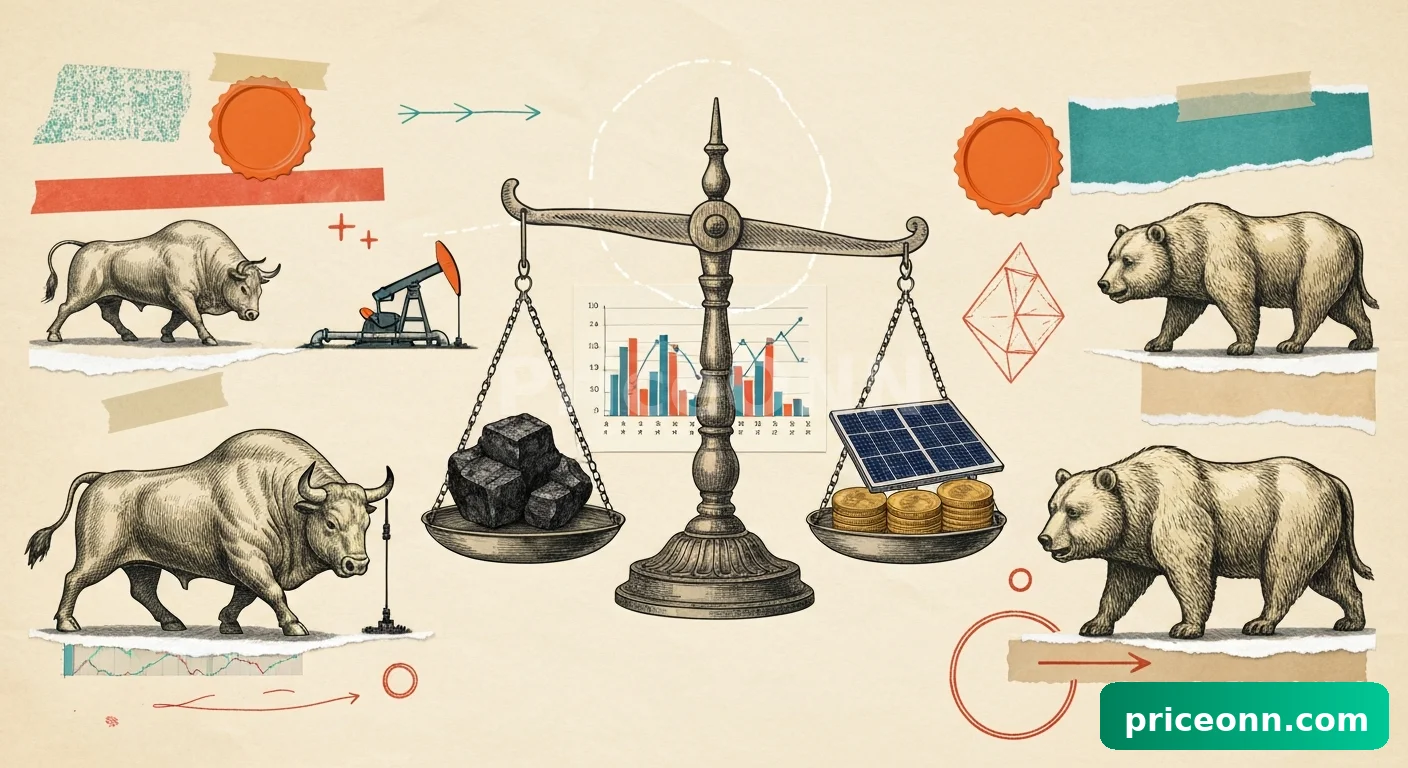
India is currently navigating a complex energy landscape, standing as a crucial test case for global decarbonization efforts. With a power grid heavily dependent on coal and a population of 1.4 billion people, the nation's energy strategy has a profound impact on international climate goals. This transition is particularly challenging for a developing economy experiencing rapid growth while simultaneously facing the adverse effects of a changing climate.
Market Context
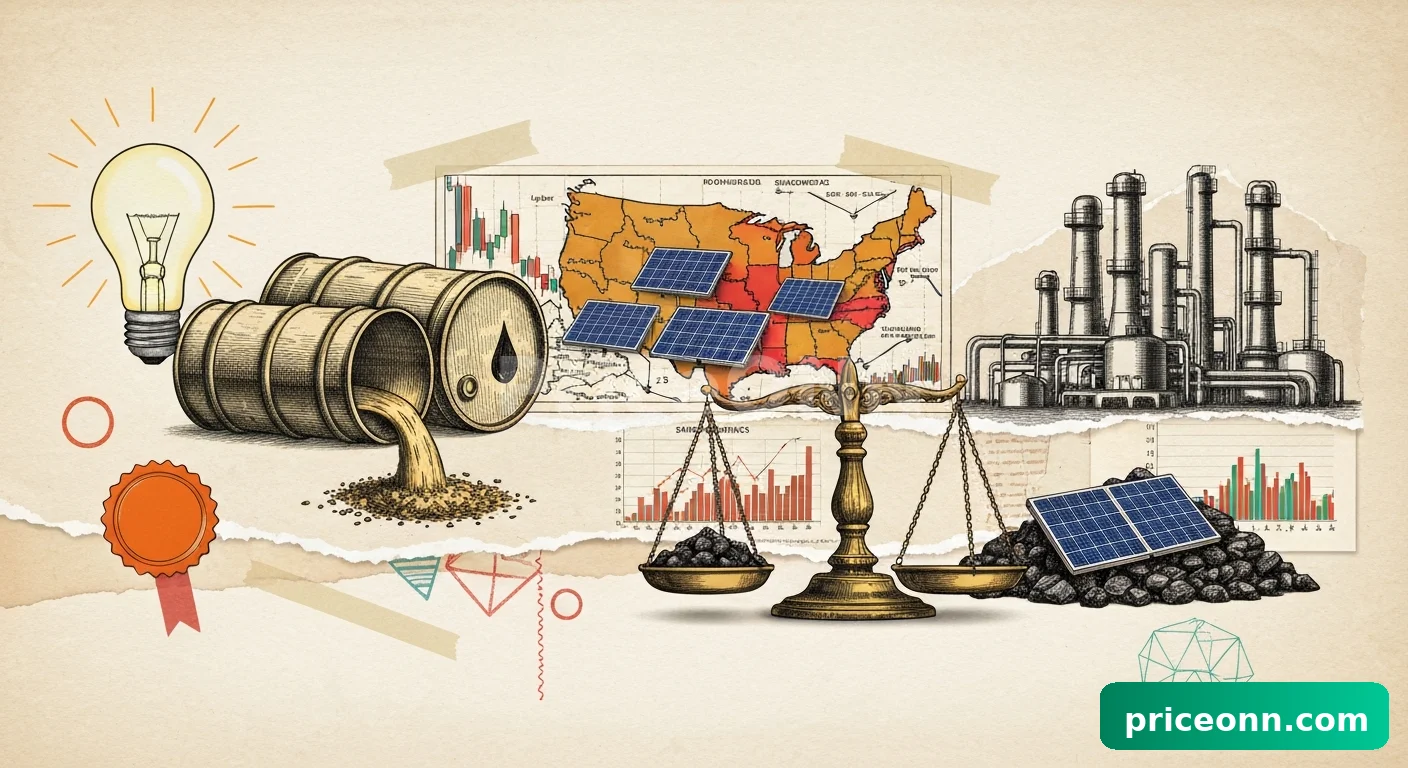
Despite significant investments in renewable energy, India's energy security is still underpinned by fossil fuels, with coal remaining the dominant source, accounting for approximately 75% of the national energy mix. This reliance is driven by a burgeoning economy expanding at an annual rate of around 7.5%, which is projected to lead to the world's highest energy consumption in the near future. Energy security is therefore a paramount national priority.
However, the renewable energy sector, particularly solar power, has seen extraordinary growth. In just the last decade, solar capacity has surged from a mere 4 gigawatts to an impressive 140 gigawatts. India is on track to meet its ambitious target of 500 gigawatts of renewable energy capacity by 2030, indicating a strong momentum towards cleaner energy sources.
Analysis & Drivers
The primary driver behind India's continued reliance on coal is the sheer scale of its energy demand, fueled by robust economic expansion and a large, growing population. Meeting this demand reliably and affordably necessitates the extensive use of domestically available coal reserves. Simultaneously, the government is pushing aggressively for renewable energy adoption to meet climate commitments and diversify its energy portfolio.
The significant investment required for this energy transition is a major factor. Industry reports estimate that a just transition away from coal will require an investment of approximately $900 billion over the next three decades. This substantial financial commitment highlights the economic complexities involved in shifting from a deeply entrenched fossil fuel economy to one powered by renewables.
Trader Implications
For energy traders, India's evolving energy policy presents a dual-edged opportunity. The ongoing demand for fossil fuels, particularly coal and natural gas, will continue to influence short-to-medium term price dynamics. Traders should monitor coal import volumes and domestic production figures, as well as natural gas prices, which are critical components of India's energy security strategy.
Conversely, the rapid expansion of solar capacity suggests growing opportunities in related sectors, including solar panel manufacturing, energy storage solutions, and associated infrastructure development. Investors and traders looking at long-term trends should consider companies involved in the renewable energy supply chain and those developing green energy technologies. Key indicators to watch include the pace of renewable energy project development and the government's success in securing financing for the transition.
Outlook
India's energy future hinges on its ability to balance soaring energy demand with its climate commitments. While the nation is making significant strides in renewable energy, the transition away from coal will be a protracted and costly process. Market sentiment will likely remain sensitive to energy security concerns, regulatory policies supporting renewables, and the global price of fossil fuels. The success of this ambitious energy transformation will not only shape India's economic trajectory but also significantly influence global efforts to combat climate change.
Frequently Asked Questions
What is the current energy mix in India?
Coal constitutes approximately 75% of India's current energy mix. While renewable sources like solar are growing rapidly, coal remains the dominant fuel to meet the nation's substantial energy demands.
How much investment is needed for India's energy transition?
An estimated $900 billion in investment is required over the next thirty years to facilitate a just transition away from coal in India. This funding is crucial for developing renewable energy infrastructure and supporting affected communities.
What are the key indicators for traders to watch regarding India's energy market?
Traders should monitor coal import and domestic production data, natural gas prices, and the progress of renewable energy project development. The pace of government financing for the energy transition will also be a critical factor influencing market sentiment and investment opportunities.
Track markets in real-time
Empower your investment decisions with AI-powered analysis, technical indicators and real-time price data.
Join Our Telegram Channel
Get breaking market news, AI analysis and trading signals delivered instantly to your Telegram.
Join Channel
PriceONN