
Why Red States Lead US Solar Growth Despite Political Headwinds
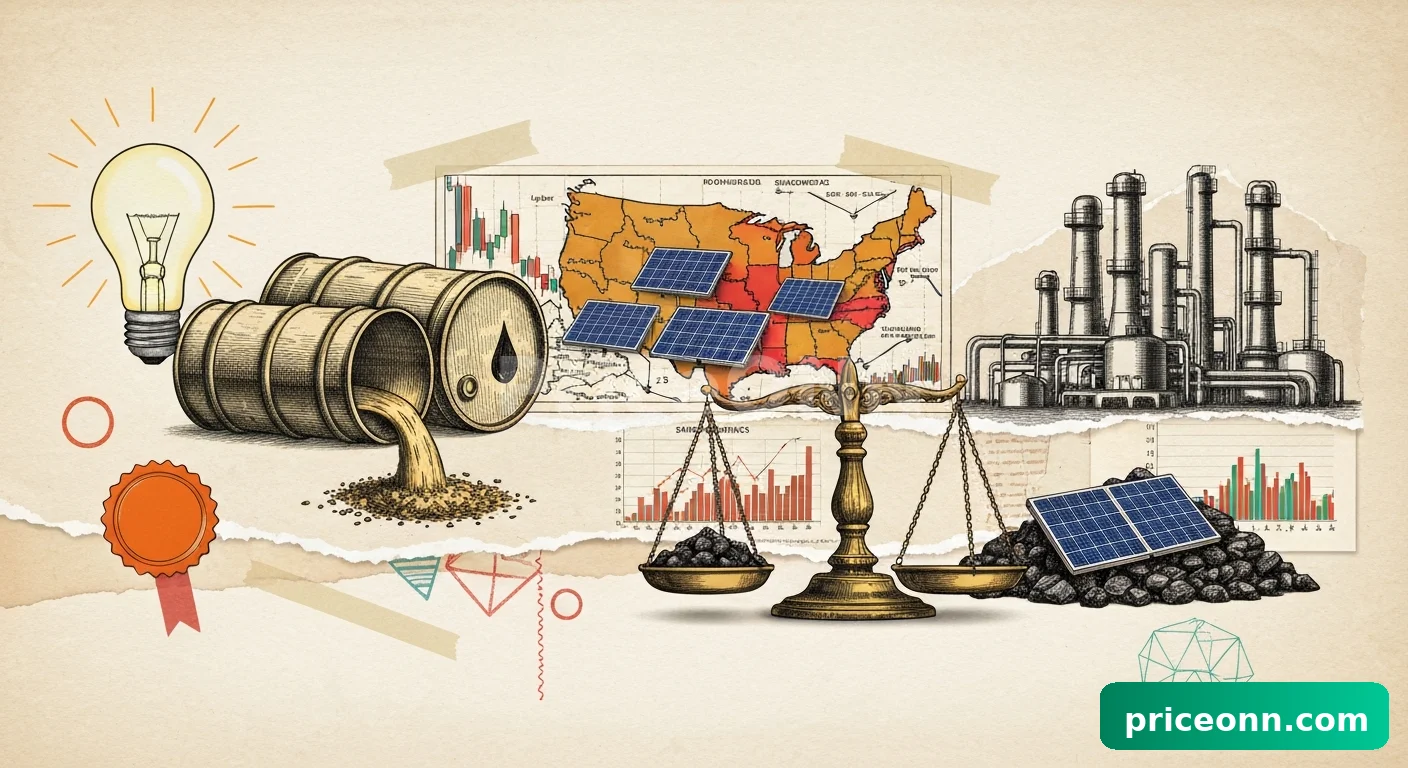
In a surprising turn of events for the energy sector, the United States is witnessing a robust expansion in solar power installations, a movement largely spearheaded by states with strong ties to traditional energy industries. This surge unfolds against a backdrop of consistent federal criticism, which has labeled renewable energy as a threat to national security and an economic burden. Executive actions aimed at bolstering fossil fuel output and limiting green initiatives have been prominent, yet market forces and voter sentiment appear to be forging a divergent path.
Market Context
Over the past year, federal policy has actively sought to curtail the growth of renewable energy, particularly solar and wind power. Directives have been issued to re-emphasize fossil fuel production and scale back policies that support green energy. Statements from the highest levels of government have characterized renewable energy expansion as contributing to an unstable and expensive electricity grid, with specific pronouncements indicating a halt to new solar and wind project approvals and a review of existing tax incentives. The stated justifications for these policies include concerns over the reliability of renewables, their reliance on foreign supply chains, and perceived environmental drawbacks.
Analysis & Drivers
Despite this federal opposition, the solar boom is undeniable, with industry reports indicating significant growth in installations across a broad spectrum of states. Crucially, a substantial portion of this expansion is occurring in states that have historically been strongholds for oil and gas. This phenomenon can be attributed to several key drivers. Firstly, the economic incentives established by legislation such as the 2022 Inflation Reduction Act continue to provide a powerful impetus for investment in solar projects. These incentives have fostered a favorable environment for both utility-scale and distributed solar generation.
Secondly, local and state-level policies, often driven by constituent demand and the pursuit of energy independence and lower energy costs, are playing a pivotal role. Many states, regardless of their political leaning, recognize the economic benefits of solar energy, including job creation and reduced electricity prices for consumers. The falling costs of solar technology also make it an increasingly competitive energy source, even without federal subsidies, making it an attractive option for both utilities and private consumers.
Trader Implications
For energy traders and investors, this divergence between federal policy and on-the-ground market activity presents both opportunities and risks. The continued demand for solar infrastructure suggests sustained investment in related sectors, including component manufacturers, installation services, and renewable energy developers. Traders should monitor state-level policy announcements and regional energy demand trends, as these are likely to be more influential than federal rhetoric in shaping near-term market movements.
Key indicators to watch include the pace of new solar project announcements, particularly in traditionally conservative states, and the performance of companies heavily involved in the solar supply chain. While federal policy could introduce uncertainty, the underlying economic viability and growing voter support for solar power provide a strong counter-balance. Traders might consider hedging strategies that account for potential shifts in federal incentives or regulatory environments, while capitalizing on the demonstrable growth in demand.
Outlook
The trajectory of solar energy in the United States points towards continued expansion, driven by compelling economics and widespread public support, even in the face of political headwinds. While federal policy may create short-term volatility, the long-term trend suggests that solar power will remain a significant and growing component of the American energy mix. Future growth will likely depend on the interplay between technological advancements, evolving state-level policies, and the persistent demand for cleaner, more affordable energy solutions.
Frequently Asked Questions
Which US states are leading the solar energy boom?
While specific state data can fluctuate, industry reports indicate that states traditionally associated with fossil fuels are showing significant growth in solar installations. This trend is driven by a combination of economic incentives and local support, overriding federal opposition.
What is the impact of federal policy on solar energy growth?
Federal policy has been critical of renewable energy, aiming to boost fossil fuels and restrict green initiatives. However, this has not halted the solar expansion, which is largely sustained by economic factors and state-level support, suggesting market forces are proving more dominant.
What should traders watch for in the solar energy market?
Traders should focus on state-level policy developments, regional energy demand, and the performance of companies within the solar supply chain. The economic viability of solar projects and voter support are key factors to monitor for future market direction.
Track markets in real-time
Empower your investment decisions with AI-powered analysis, technical indicators and real-time price data.
Join Our Telegram Channel
Get breaking market news, AI analysis and trading signals delivered instantly to your Telegram.
Join Channel


PriceONN