
Did the Ras Laffan Attack End the Global Gas Glut Narrative?
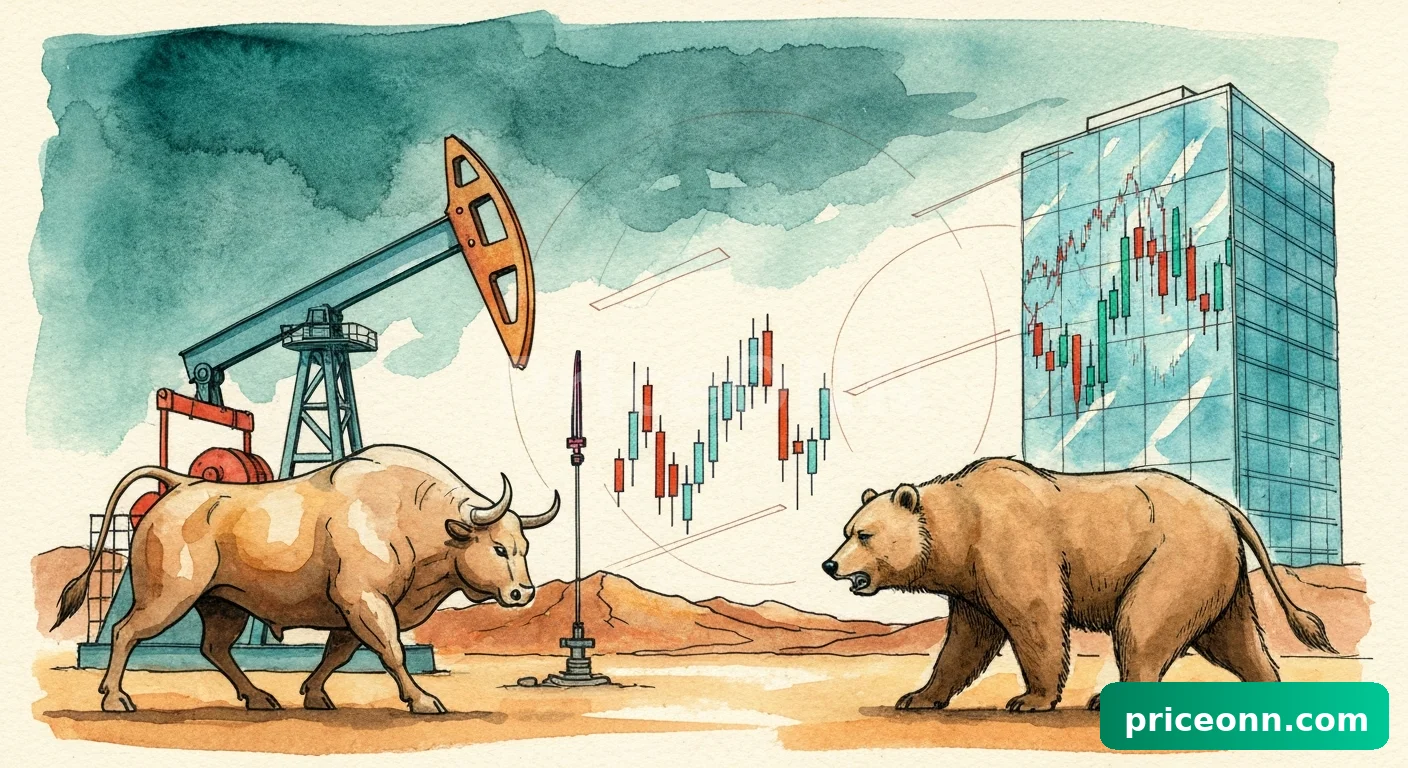
The prevailing sentiment in global natural gas markets, which has forecasted an impending supply glut for the past two years, has been abruptly shattered by a significant incident at Qatar's Ras Laffan energy complex.
Market Context: From Surplus Fears to Supply Shock
For an extended period, market data and analyst consensus pointed towards an oversupply of liquefied natural gas (LNG) by the late 2020s. This outlook was underpinned by anticipated expansions in production from major players like Qatar, the United States, and Canada, leading many to expect falling prices and reduced energy security concerns. However, this narrative appears to have been overly optimistic, failing to adequately account for the inherent vulnerabilities in global energy infrastructure and the geopolitical risks involved. The attack on Ras Laffan has fundamentally altered this perspective, pivoting the market from an expected surplus to the immediate concern of potential deficits and significant price fluctuations.
Analysis & Drivers: The Fragility of Global Gas Supply
The Ras Laffan complex is the cornerstone of Qatar's energy sector and a critical node in the worldwide LNG supply chain. As a leading global exporter, responsible for approximately 20% of all global LNG shipments, Qatar channels nearly its entire output through this single hub. Reports indicate that the damage sustained affects an estimated 12 to 13 million tons per annum of capacity, representing a substantial 17% reduction in Qatar's overall production. This disruption is not a minor inconvenience; it directly impacts global LNG availability. Initial assessments suggest that the repair and restoration of the damaged infrastructure could take anywhere from three to five years, a timeline heavily dependent on stable market conditions and swift access to necessary technologies and resources. This protracted recovery period highlights the deep-seated fragility within the global LNG infrastructure, a factor that was largely underestimated in previous supply forecasts.
Trader Implications: Navigating Increased Volatility
The immediate aftermath of the Ras Laffan incident necessitates a reassessment of trading strategies for natural gas and related energy commodities. Traders should prepare for heightened volatility as the market digests the implications of this supply shock. Key considerations include:
- Price Sensitivity: Expect significant upward pressure on LNG spot and futures prices, particularly in Asian and European markets that rely heavily on Qatari supply.
- Supply Chain Monitoring: Close monitoring of repair progress at Ras Laffan and any further geopolitical developments impacting energy-producing regions will be crucial.
- Alternative Sources: Increased demand and potentially higher prices for LNG from alternative suppliers, such as the United States and Australia, are likely.
- Geopolitical Risk Premium: A renewed geopolitical risk premium is likely to be priced into energy markets, reflecting the heightened awareness of supply chain vulnerabilities.
Traders should be wary of the potential for sharp price swings and ensure robust risk management protocols are in place. Key support and resistance levels for LNG benchmarks will need to be closely observed, as a sustained breakout above previous highs could signal a prolonged period of elevated pricing.
Outlook: A New Era for Gas Markets
The attack on Ras Laffan has irrevocably altered the landscape of the global natural gas market. The illusion of an impending abundance has been dispelled, replaced by the stark reality of supply constraints and geopolitical risk. The extended timeline for repairs suggests that higher prices and increased market volatility are not just short-term phenomena but could define the energy market for years to come. This event underscores the critical need for diversified energy sources and resilient infrastructure, a lesson that may come at a significant economic cost to consumers worldwide.
Frequently Asked Questions
How much LNG production was affected by the Ras Laffan attack?
Market reports indicate that the damage at Ras Laffan has impacted an estimated 12 to 13 million tons per annum of LNG capacity, which represents approximately 17% of Qatar's total output.
What is the estimated timeline for repairing the Ras Laffan facility?
Initial assessments suggest that restoring the damaged infrastructure at the Ras Laffan complex could take between three to five years, contingent on various factors including market stability and resource availability.
What is the likely impact on natural gas prices for traders?
Traders should anticipate increased price volatility and upward pressure on LNG prices, especially in regions reliant on Qatari supply. Monitoring key support and resistance levels will be crucial as the market adjusts to the reduced supply.
Track markets in real-time
Empower your investment decisions with AI-powered analysis, technical indicators and real-time price data.
Join Our Telegram Channel
Get breaking market news, AI analysis and trading signals delivered instantly to your Telegram.
Join Channel

PriceONN