
Can Tokenized Markets Scale Without Central Bank Digital Currencies?
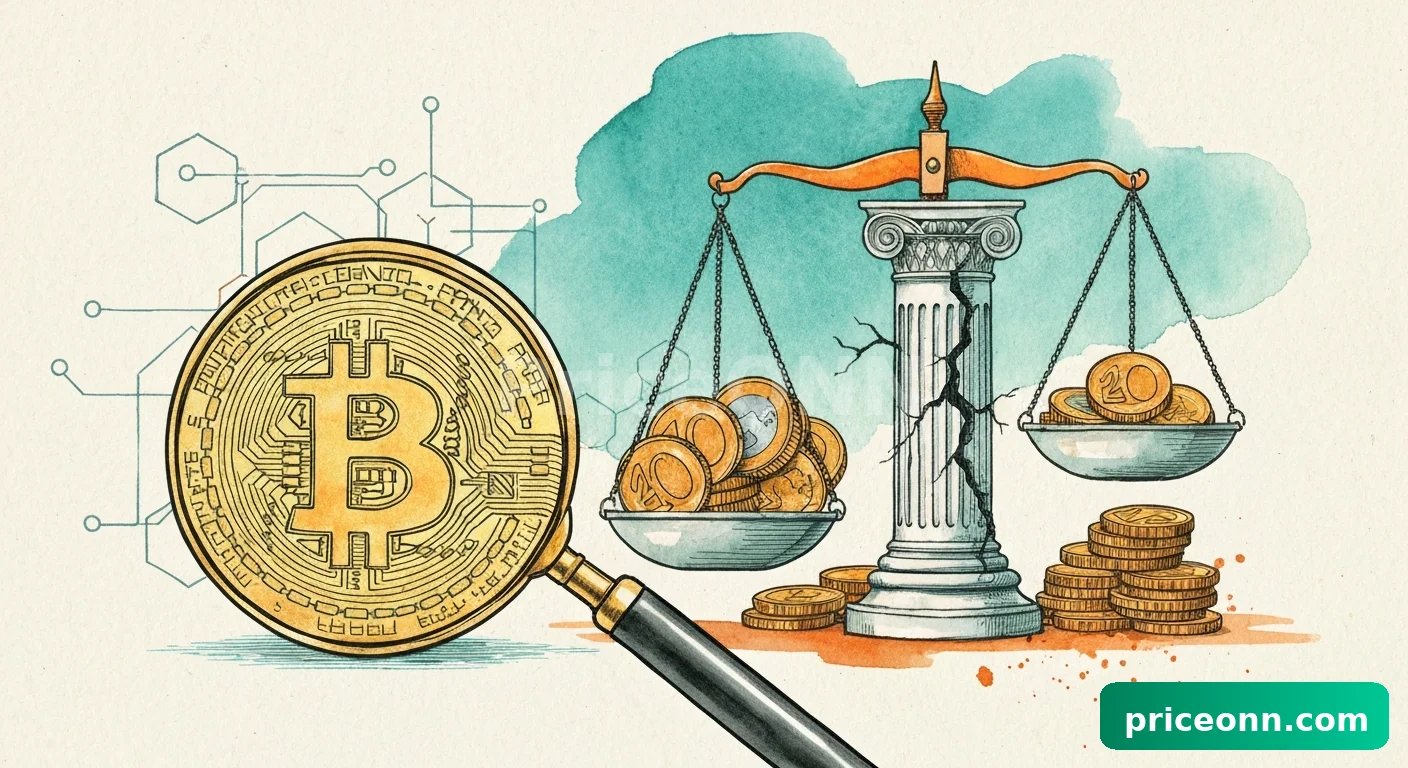
The future of Europe's tokenized financial markets hinges on the integration of central bank digital money, according to a senior official at the European Central Bank (ECB). Piero Cipollone, a member of the ECB's Executive Board, stated that private digital currencies alone cannot facilitate the necessary scale for these nascent markets to flourish.
Market Context
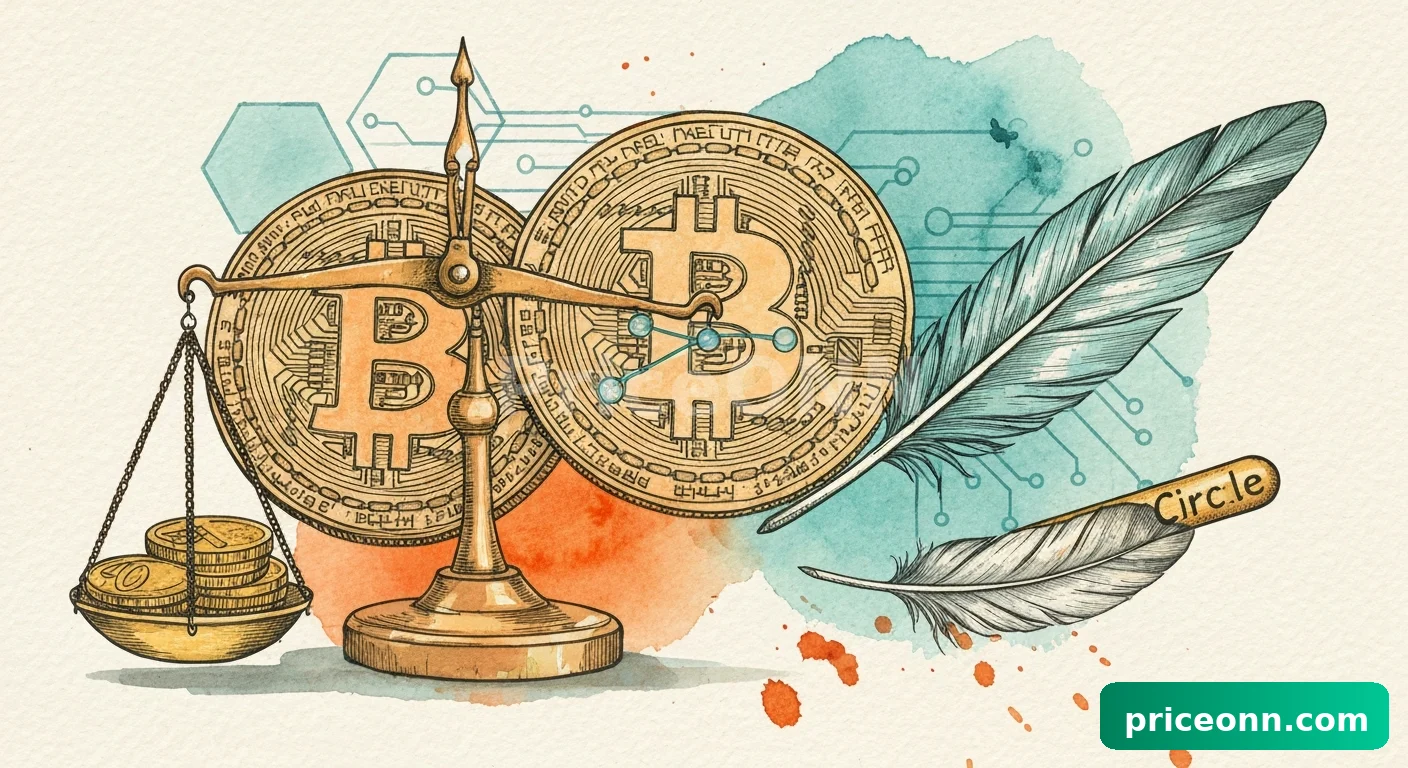
Cipollone highlighted that without a public settlement anchor, such as tokenized central bank money, market participants face risks. Selling a tokenized security might result in receiving payment in an asset exposed to volatility or credit risk, thereby limiting market expansion. This perspective comes as the Eurosystem prepares to launch its distributed ledger technology (DLT) settlement initiative, Pontes, scheduled for an initial rollout in the third quarter of 2026. Pontes aims to connect market DLT platforms with the Eurosystem’s TARGET Services, enabling settlement in central bank money.
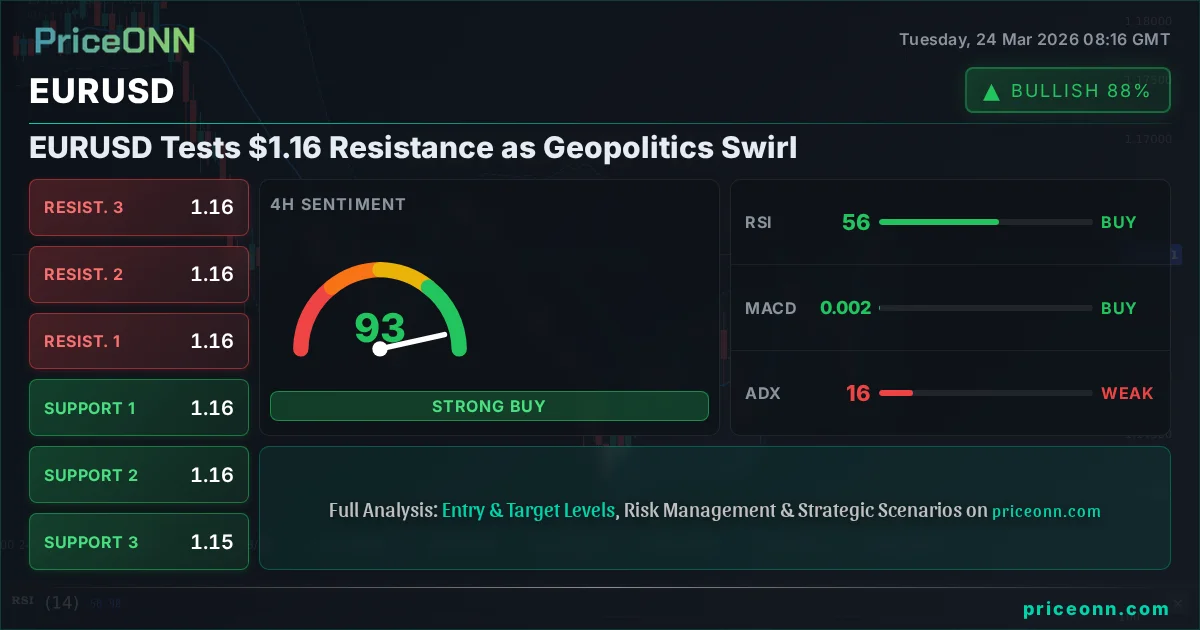
This push for central bank integration is part of a broader effort by the ECB. The Appia initiative, unveiled on March 11, seeks to establish a blueprint for a European tokenized financial ecosystem by 2028. Industry players, however, are also voicing their needs. Stablecoin issuer Circle has urged the European Commission to lower certain thresholds within its proposed Markets in Crypto-Assets (MiCA) framework, arguing that current proposals could stifle the growth of euro-denominated stablecoins like its EURC.
Analysis & Drivers
The core driver behind the ECB's stance is the need for trust and stability in a rapidly evolving digital asset landscape. Cipollone's remarks underscore a fundamental challenge: while private entities can innovate and create tokenized assets, ensuring seamless and secure settlement at scale requires a robust, risk-free settlement asset. Central bank money, whether in physical form or tokenized, provides this guarantee. The ECB's Pontes initiative is a direct response to this, aiming to bridge the gap between DLT-based market activities and the established TARGET Services infrastructure.
Furthermore, the debate around scaling tokenized markets is intrinsically linked to regulatory clarity. Circle's feedback on the Markets in Crypto-Assets Regulation (MiCA), which became effective in December 2024, points to ongoing complexities. The company argues that current market capitalization thresholds for e-money tokens (EMTs) to be used in settlement are too high, creating a “chicken-and-egg scenario” that hinders institutional participation and liquidity. Circle advocates for lower barriers to entry, suggesting that restricting settlement to only “significant” EMTs excludes many euro-denominated tokens and stifles innovation.
Trader Implications
For traders and investors in the cryptocurrency and tokenized asset space, these developments signal a bifurcated path forward. On one hand, initiatives like Pontes and Appia suggest a future where regulated, tokenized assets can be transacted with the backing of central bank liquidity, potentially increasing institutional confidence and market depth. This could lead to greater adoption of tokenized securities and other financial instruments.
On the other hand, the conditions for this scaling are still being debated and defined. Traders should monitor the progress of regulatory frameworks like MiCA and the implementation of DLT settlement systems. Key levels to watch will be:
- The successful launch and adoption of Pontes in Q3 2026.
- Updates on the Appia roadmap and public-private partnership engagements.
- Potential revisions to the MiCA framework concerning EMT thresholds and crypto-asset service provider regulations.
The ability of euro-denominated stablecoins like EURC to gain traction in settlement will depend on regulatory adjustments. If thresholds are lowered, it could unlock new avenues for liquidity and trading strategies involving these assets. Conversely, stringent regulations might keep them on the periphery of institutional use cases.
Outlook
The trajectory of Europe's tokenized markets appears to be moving towards greater integration with traditional financial infrastructure, anchored by central bank support. However, the pace and extent of this integration will be heavily influenced by ongoing regulatory discussions and technological implementations. While the ECB is pushing for a DLT-based ecosystem by 2028, the immediate future for market participants involves navigating evolving regulatory landscapes and anticipating the impact of new settlement mechanisms. Traders should remain vigilant for policy shifts and technological milestones that could reshape the digital asset market in Europe.
Frequently Asked Questions
What is the ECB's primary concern regarding tokenized markets?
The ECB's main concern is that private digital currencies, such as stablecoins and tokenized deposits, cannot achieve sufficient scale and stability on their own. They believe tokenized central bank money is essential as a public settlement anchor to mitigate risks like price volatility and credit exposure for market participants.
What are Pontes and Appia initiatives?
Pontes is the Eurosystem's DLT settlement initiative, set for an initial launch in Q3 2026, designed to allow settlement in central bank money for DLT-based transactions. Appia is a broader ECB initiative aiming to produce a blueprint for a European tokenized financial ecosystem by 2028, focusing on interoperability standards and legal clarity.
How might regulatory changes affect stablecoins like EURC?
Circle has requested the European Commission to lower market capitalization thresholds for e-money tokens (EMTs) to be used in settlement. If these thresholds are reduced from their current unspecified levels, it could allow more euro-denominated stablecoins like EURC to be used in institutional settlement, potentially increasing their liquidity and adoption within the European market.
Track markets in real-time
Empower your investment decisions with AI-powered analysis, technical indicators and real-time price data.
Join Our Telegram Channel
Get breaking market news, AI analysis and trading signals delivered instantly to your Telegram.
Join Channel
PriceONN