Crude Oil Price Surge: How Middle East Conflict Impacts Forex Markets
Oil Prices Spike Amid Middle East Tensions
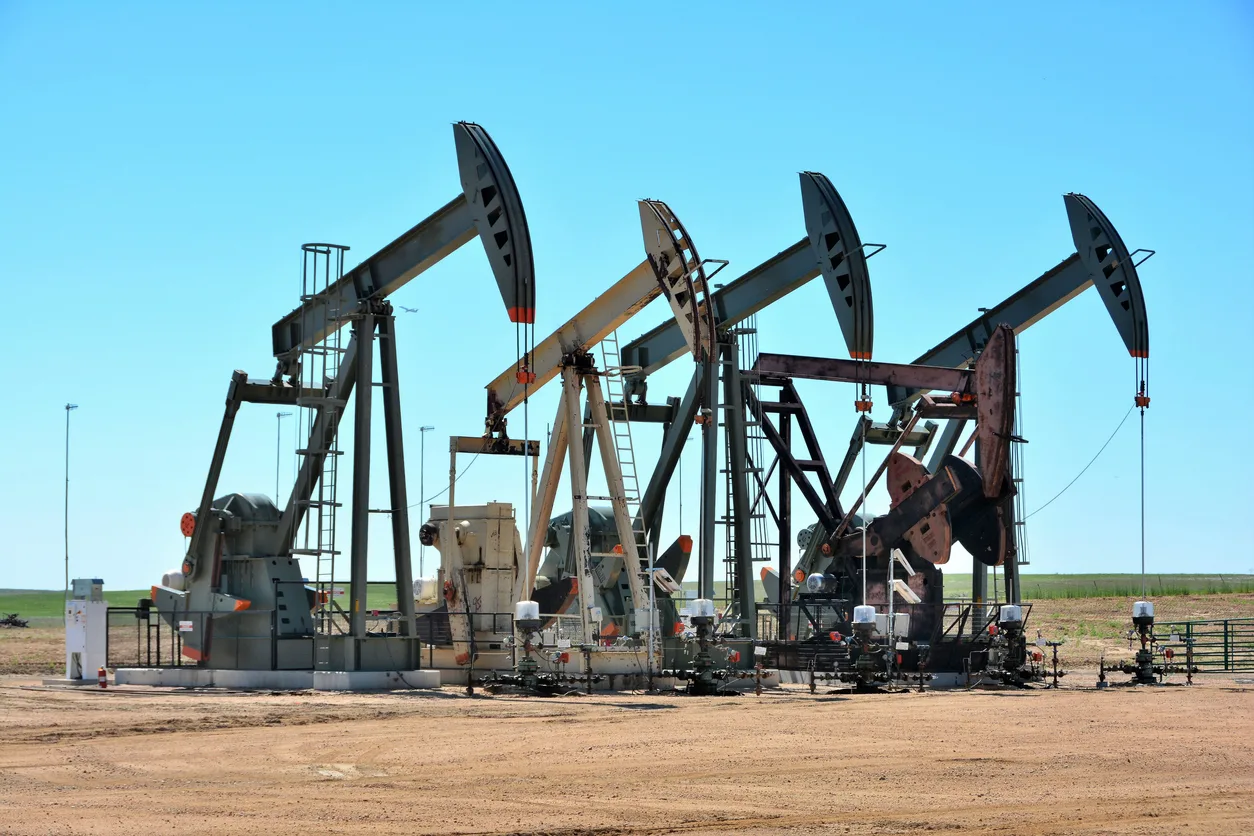
The forex market is reacting to a significant surge in crude oil prices, driven by escalating conflict in the Middle East. WTI crude has jumped by 30% in the past week, exceeding $89/bbl, a level not seen since late-2023. The primary catalyst is the disruption at the Strait of Hormuz, a critical chokepoint for approximately 20% of global oil supply.
The Strait of Hormuz is currently experiencing a standstill in oil transport, forcing major Gulf producers to confront storage limitations and consider near-term production adjustments. Iraq and Kuwait have already begun reducing output, with expectations that Saudi Arabia and the UAE will follow suit. This supply constraint is fueling the upward price pressure.
Impact on Forex and Global Economies
Higher oil prices present a mixed bag for different economies. For Canada, a major oil producer, this surge could provide a short-term boost to its energy sector and government revenues. However, Canadian consumers are already feeling the pinch, with rising gasoline prices nationwide. The Canadian dollar may see some support from higher oil, but this could be offset by concerns about overall economic growth if high energy prices persist.
The U.S. economy's reaction is more complex. While the initial impact of higher oil prices may be relatively small, a prolonged conflict and sustained high prices could dampen economic activity. The February employment report, which indicated softer hiring and a slight increase in the unemployment rate, adds to these concerns. The US dollar could strengthen as a result of inflation fears and expectations of tighter monetary policy.
Trading Strategies and Outlook
Given the high degree of uncertainty, oil price forecasts are particularly challenging. Current expectations suggest that prices will remain elevated near current levels throughout March before gradually declining in the following months. However, risk premiums are expected to remain high, as the current situation is considered a significant threat to Middle East energy supplies.
For forex traders, this environment calls for a cautious approach. Here are some potential trading strategies:
- Monitor geopolitical developments closely: News regarding the conflict and oil production decisions will heavily influence price movements.
- Consider currency pairs linked to oil-exporting nations: The Canadian dollar (CAD), Norwegian Krone (NOK), and Russian Ruble (RUB) may experience increased volatility.
- Be aware of inflation risks: Rising oil prices can contribute to inflation, potentially impacting interest rate decisions by central banks.
- Manage risk carefully: Use stop-loss orders and avoid over-leveraging in this volatile environment.
The situation remains fluid, and a worst-case scenario involving prolonged disruptions could lead to even higher oil prices and significant economic consequences. Traders and investors should stay informed and prepared for potential market turbulence.
Track markets in real-time
Empower your investment decisions with AI-powered analysis, technical indicators and real-time price data.
Join Our Telegram Channel
Get breaking market news, AI analysis and trading signals delivered instantly to your Telegram.
Join Channel