
Is the Fed Eyeing a Rate Hike as Inflation Surges Past 4%?

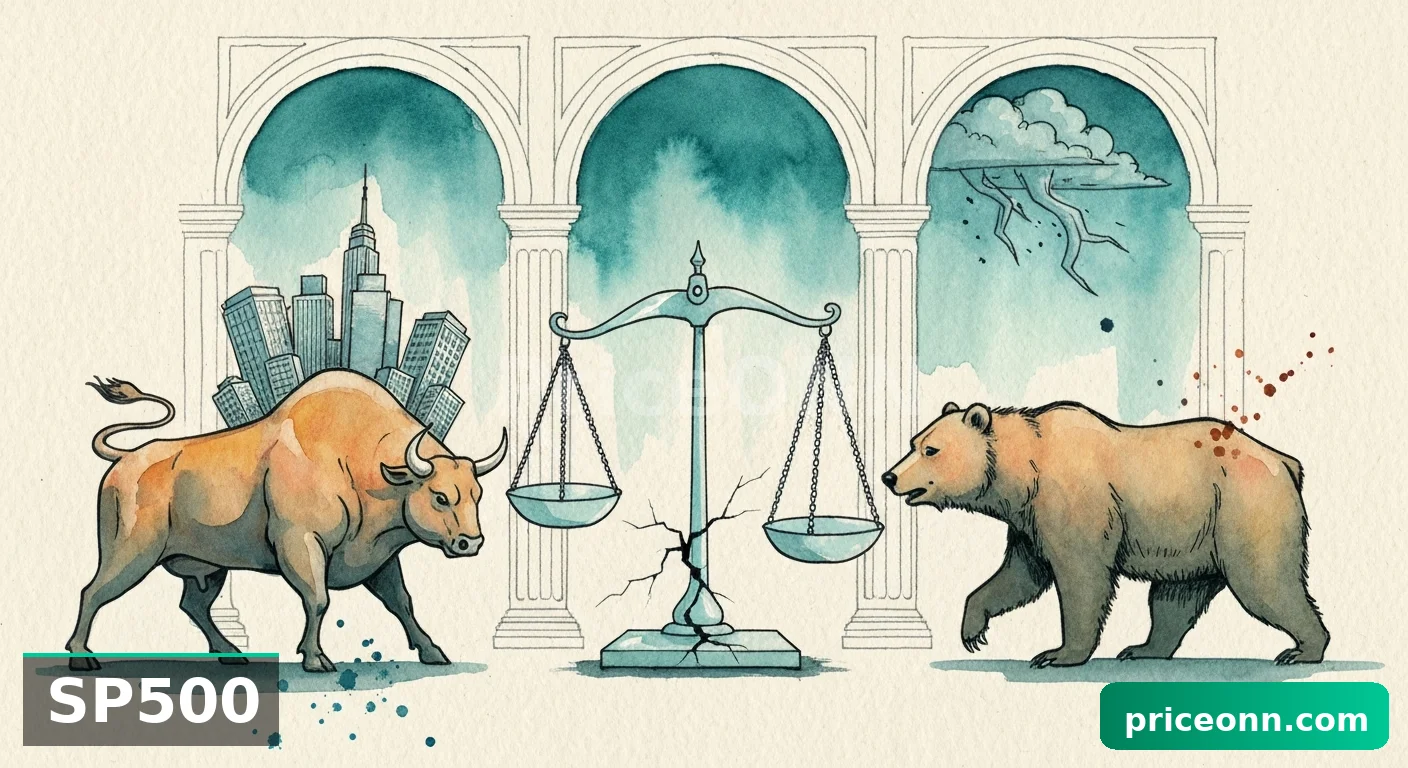
The Federal Reserve's next policy move may not be a rate cut, but rather an unexpected hike, as market sentiment dramatically pivots towards rising inflation. On Friday morning, futures market participants pushed the probability of an interest rate increase by the end of 2026 to 52%, crossing a critical psychological threshold and signaling a profound shift in expectations.
Market Context
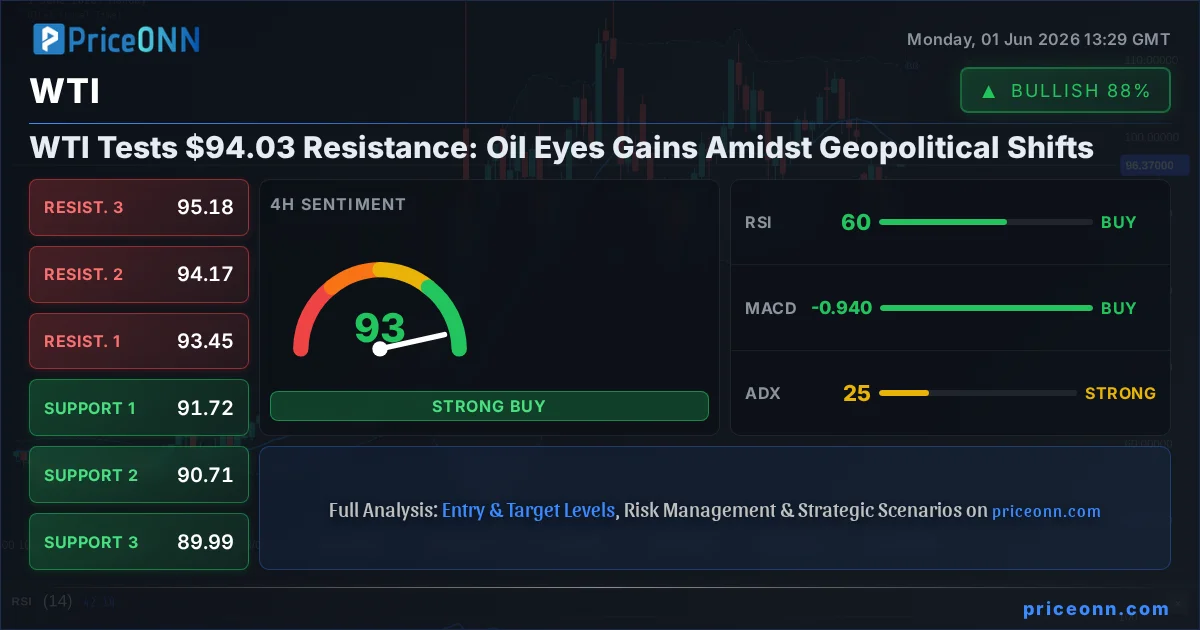
This significant recalibration follows a week marked by escalating economic pressures. Global crude oil benchmarks have surged past the $110 per barrel mark, driven by persistent geopolitical tensions in the Middle East, particularly concerning Iran, and the imposition of new U.S. tariffs. These factors are collectively fueling broader cost increases across various sectors. Adding concrete data to these concerns, the Bureau of Labor Statistics reported that import prices climbed 1.3% in February, the steepest monthly advance since March 2022. Export prices saw an even larger increase of 1.5%, the most substantial gain since May 2022, indicating that inflationary pressures are both domestic and imported.
Analysis & Drivers
The primary driver behind this market shift is the growing fear of entrenched inflation. The latest import and export price data suggest that supply chain disruptions and geopolitical risks are translating into higher costs for businesses and consumers. The Organization for Economic Cooperation and Development (OECD) has significantly revised its inflation forecast upward for the United States, now anticipating headline inflation to run at an annual rate of 4.2% this year. This projection is considerably higher than previous assessments and substantially exceeds the Federal Reserve's own target of 2.7%. This divergence between actual inflation trends and the Fed's target suggests that policymakers might need to take more aggressive action to curb price growth, potentially leading to a hawkish policy turn.
Trader Implications
For traders, this evolving narrative presents a complex landscape. The possibility of a Fed rate hike, rather than a cut, implies a stronger dollar and potentially lower asset prices, especially in riskier markets. Key levels to watch include the 1.0700 support for EUR/USD and the 1.2400 level for GBP/USD, as a hawkish Fed stance could pressure these pairs lower. Bond yields may also see upward pressure as markets price in higher future interest rates. Traders should closely monitor upcoming U.S. inflation data, particularly the Consumer Price Index (CPI) and Producer Price Index (PPI) releases, as these will be critical in confirming or refuting the market's current inflation fears. A sustained breach of the $110 mark for Brent crude could further solidify these concerns and increase the likelihood of a Fed hike.
Outlook
The immediate outlook suggests increased market volatility as traders grapple with the conflicting pressures of inflation and potential Fed tightening. While the Fed has historically aimed for a soft landing, the current data points towards a more challenging path. If inflation continues to accelerate and exceed forecasts, the market's pricing of a rate hike will likely solidify, forcing a broader reassessment of economic growth prospects and asset valuations. The coming weeks will be crucial in determining whether the current inflation surge is transitory or indicative of a more persistent problem requiring aggressive monetary policy intervention.
Frequently Asked Questions
What is the current probability of a Fed rate hike by the end of 2026?
Market data shows that traders are now pricing in a 52% probability of the Federal Reserve implementing a rate hike by the end of 2026, a significant shift from previous expectations.
What factors are driving the increased inflation concerns?
Rising import prices, which increased 1.3% in February, coupled with surging crude oil prices above $110 and geopolitical tensions, are the primary drivers fueling inflation fears.
What are the key levels traders should watch for the US Dollar?
With a potential Fed hike on the horizon, traders should monitor key currency pairs. For EUR/USD, the 1.0700 support level is critical, while for GBP/USD, the 1.2400 level will be significant. A hawkish Fed stance could lead to dollar strength against these pairs.
Track markets in real-time
Empower your investment decisions with AI-powered analysis, technical indicators and real-time price data.
Join Our Telegram Channel
Get breaking market news, AI analysis and trading signals delivered instantly to your Telegram.
Join Channel PriceONN News
The upcoming U.S. employment report for May is poised to reveal a labor market that is stabilizing but not accelerating, potentially influencing Federal Reserve policy. Traders are closely watching key inflation indicators from ISM surveys and Eurozone CPI data.
PriceONN News
Upcoming U.S. employment data for May is expected to reveal a labor market that is no longer deteriorating but also failing to show significant improvement, with nonfarm payrolls projected to rise by 105,000 and the unemployment rate ticking up to 4.4%.
PriceONN News
Upcoming U.S. employment data is poised to reveal a labor market showing signs of stabilization rather than robust growth, potentially influencing Federal Reserve policy. Traders are closely watching key inflation indicators within the ISM surveys.
PriceONN News
US consumer confidence fell slightly to 93.1 in May, a modest decline from April's 93.8, driven by persistent inflation linked to Middle Eastern geopolitical events. While beating expectations, the drop signals growing household pressure.
PriceONN News
Canadian headline inflation rose to 2.8% in April, largely driven by gasoline prices, but core measures remain stable, suggesting the Bank of Canada has room to maintain a patient stance on interest rates.
PriceONN News
US inflation data for April is anticipated to show a modest uptick, with headline CPI potentially reaching 3.8% year-over-year. This rise is attributed to elevated energy prices impacting food and services, even as shelter costs continue to moderate. Retail sales are also expected to grow, though primarily driven by price increases rather than volume.
PriceONN News
US inflation is poised for a modest uptick in April, with headline CPI expected to approach 3.8% year-over-year, driven by rising energy costs that are beginning to influence food and services prices.
PriceONN News
A robust US employment report showing stronger-than-expected job gains and stable unemployment initially lifted stock markets, but lingering geopolitical risks are tempering broader investor enthusiasm.
PriceONN News
A robust US employment report showing stronger-than-expected job gains and moderate wage growth initially lifted stock markets. However, lingering geopolitical concerns, particularly regarding Iran, are tempering broader trader enthusiasm and limiting follow-through in currency markets.
PriceONN News
Markets are closely watching Friday's U.S. employment report for May, with expectations of 105,000 new jobs and a 4.4% unemployment rate, which could indicate a labor market not deteriorating but also not significantly improving.
PriceONN News
Canadian headline inflation rose to 2.8% in April, primarily driven by gasoline prices, yet core inflation metrics showed surprising stability, offering the Bank of Canada room for a patient monetary policy stance.
PriceONN News
New York's manufacturing sector experienced a significant boost in May, with the Empire State Manufacturing Index jumping to 19.6, nearly three times the expected consensus. This marks the strongest reading since April 2022, signaling a robust expansion in regional industrial activity.