First Sign of Gas Crunch in Europe Hits Moldova Region
Gas Supply Disruptions Emerge
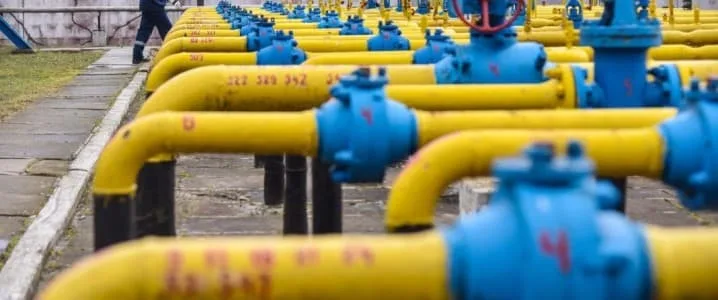
The initial signs of potential challenges in Europe's natural gas supply are becoming apparent, evidenced by warnings from Moldova's separatist Transnistria region regarding impending shortages. The likelihood of further deterioration looms large unless LNG shipments from the Middle East promptly resume, a scenario currently deemed improbable. Transnistria, a pro-Russian enclave within Moldova since the early 1990s, highlights the complex geopolitical factors influencing European energy security.
Until recently, this Russian-speaking territory benefited from virtually free natural gas deliveries from Russia, utilizing this resource to generate electricity, a portion of which was also supplied to Moldova. However, this arrangement ceased in 2024, precipitated by Ukraine's decision not to renew its gas transit agreement with Gazprom. The termination of this agreement triggered a severe gas deficit in Transnistria, compelling the region to transition to European gas suppliers, albeit at escalated costs.
Market Volatility and Price Spikes
Since then, the region has been sourcing gas from European providers. However, the reverberations of Middle Eastern instability are now manifesting as reduced gas availability, according to a Reuters report. The Transnistrian economic development ministry stated that "critical disruptions in gas supplies" have occurred due to "events in the Middle East," leading to limitations on gas usage for commercial activities and heating purposes.
Moldova's parliamentary speaker has suggested that Transnistria possesses gas reserves sufficient only for a few days, posing a dilemma: prioritizing consistent gas supply, despite higher costs, or enduring shortages affecting essential services like schools and residential heating. This statement implies that solvency, rather than absolute supply scarcity, may be a contributing factor.
European gas prices have experienced a significant surge, doubling within a week. The TTF benchmark intraday contract surpassed 60 euros per megawatt-hour earlier this week. As of Wednesday, the TTF price for the April futures contract stood at 48.77 euros per megawatt-hour.
Europe's Energy Vulnerability
The recent price escalation followed Iranian strikes targeting Qatari LNG production facilities, prompting QatarEnergy to temporarily shut down its LNG production system and declare force majeure on exports. Given Qatar's contribution of approximately one-fifth of global LNG flows, these events have had immediate and pronounced price implications. This situation highlights Europe's precarious position, particularly its dependence on seaborne LNG imports following the reduction of reliance on Russian pipeline gas. While alternative supplies exist, such as American LNG, the pricing dynamics are dictated by sellers, potentially exacerbating inflationary pressures for European gas importers.
Smaller European nations, including Moldova, face heightened vulnerability due to their limited financial flexibility in securing gas supplies. However, larger economies, such as Germany, may experience more severe consequences from sustained gas shortages, potentially impacting the broader European Union, of which Moldova aspires to join by 2030. Qatar provides between 12% and 14% of the European Union's natural gas needs. As the energy think tank Bruegel noted, Europe is less dependent on Gulf LNG than other regions, but it is not insulated from price volatility. Ultimately, Europe will likely experience the effects of LNG flow disruptions, impacting prices across the continent.
Track markets in real-time
Empower your investment decisions with AI-powered analysis, technical indicators and real-time price data.
Join Our Telegram Channel
Get breaking market news, AI analysis and trading signals delivered instantly to your Telegram.
Join Channel