The Sky Is The Limit For The Current Oil Price Rally

Supply Disruptions Propel Oil Prices
The price of Brent crude has vaulted past the $90 per barrel threshold, a level unseen since April 2024. This surge is primarily attributed to the ongoing closure of the Strait of Hormuz, which has effectively halted crude oil exports from the Persian Gulf. Compounding the situation, Iraq and Kuwait have initiated production cuts, exacerbating fears of a significant supply squeeze and further price increases.
The market's bullish sentiment was further ignited by a declaration from the US President, stating that any deal with Iran would require 'unconditional surrender.' Such rhetoric amplifies geopolitical tensions and adds a premium to oil prices, reflecting the increased risk associated with supply stability in the region. The confluence of these factors suggests that the upward trajectory of oil prices may continue unimpeded in the near term.
Ripple Effects Across the Energy Sector
The closure of the Strait of Hormuz and the resulting supply constraints are creating a cascade of consequences across the energy landscape:
- VLCC freight rates from the Middle East to Northeast Asia have soared to $16 per barrel, representing approximately 20% of the free-on-board value of any grade.
- Japanese refiners are lobbying their government to release crude from strategic petroleum reserves, highlighting concerns about potential shortages given their heavy reliance (95%) on Middle Eastern crude.
- QatarEnergy anticipates its Ras Laffan gas liquefaction plant will remain offline for at least two weeks, curtailing 20% of global LNG supply for the next month.
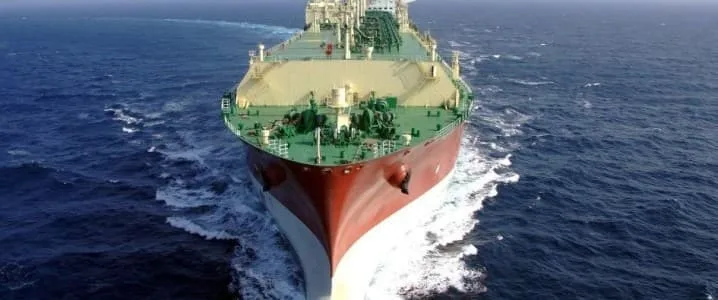
Adding to the complexities, a Russian shadow LNG tanker, the Arctic Metagaz, sank in the Mediterranean Sea, reportedly due to a drone attack. This incident further underscores the vulnerability of energy infrastructure and the potential for disruptions to global supply chains.
Geopolitical Flashpoints and Market Volatility
Beyond the immediate impact on oil prices, the current crisis is exposing fault lines in international relations and supply chains. For example, Hungary's MOL has reported Croatian pipeline operator JANAF to Europe's competition watchdog for allegedly refusing to transport Russian oil by sea, highlighting tensions within Europe's energy infrastructure.
Moreover, Saudi Aramco's Ras Tanura refinery, with a capacity of 550,000 b/day, was targeted by drone attacks, impacting the country's gasoline production. The constant bombardment of Bahrain has also forced Aluminium Bahrain to halt exports, driving up aluminum prices by 5% to $3,420 per metric tonne.
These geopolitical flashpoints, combined with existing supply chain vulnerabilities, are contributing to a highly volatile market environment. The situation warrants close monitoring as further escalations could have significant and lasting consequences for the global economy.
Track markets in real-time
Empower your investment decisions with AI-powered analysis, technical indicators and real-time price data.
Join Our Telegram Channel
Get breaking market news, AI analysis and trading signals delivered instantly to your Telegram.
Join Channel