LNG Market Faces Crisis as Middle East Conflict Disrupts Supply Chains
LNG Supply Shock Grips Global Markets
The global LNG market is reeling from a significant supply shock as QatarEnergy declared force majeure on its LNG exports following disruptions at its Ras Laffan industrial facilities. The declaration, announced on Wednesday, effectively absolves the company from contractual obligations due to extraordinary circumstances stemming from the escalating conflict in the Middle East. The Strait of Hormuz, a crucial chokepoint for global energy shipments, has seen near-total cessation of maritime traffic, exacerbating the crisis. Qatar, responsible for approximately 20% of global LNG exports, faces an uncertain timeline for resuming normal production, creating anxiety in major Asian economies like China, Japan, India, and South Korea, as well as in Europe.
Natural gas markets reacted sharply, with Europe’s Title Transfer Facility (TTF) benchmark surging by 52% on March 2nd. While Rystad Energy anticipates the initial price spike will be contained, the duration of the disruption remains a key factor. A limited disruption of 15 days could result in a 4.3% decline in 2026 output, equivalent to approximately 3.3 million tonnes (Mt). A prolonged disruption could lead to a loss of around 5.6 Mt of supply.
Tanker Rates Skyrocket Amid Supply Concerns
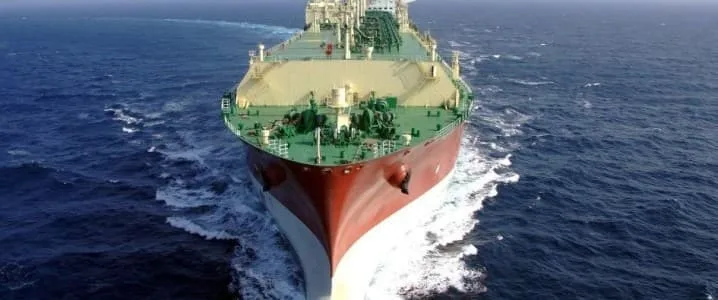
The disruption in the Strait of Hormuz has triggered a dramatic increase in LNG tanker rates. Charter rates for routes between the U.S. Gulf Coast and Europe have jumped from approximately $40,000 per day to as high as $300,000 per day within a week. Similarly, Gulf Coast to Asia routes have seen rates surge to the same $300,000 level from around $42,000 per day. In response to the vessel crunch, Qatar has offered two LNG carriers for lease off the west coast of Africa, according to Bloomberg sources, signaling the severity of the situation.
European Gas Supply Under Pressure
The first signs of gas supply problems have emerged in Europe, with Moldova’s breakaway Transnistria region warning of short supply. Transnistria, a pro-Russian region of Moldova, has experienced “critical disruptions in gas supplies” due to “events in the Middle East,” leading to limitations on gas usage for commercial activities and heating purposes. European gas prices have already experienced a significant surge, doubling within a week.
Implications for Traders and Investors
The current crisis presents both challenges and opportunities for traders and investors. The volatility in natural gas prices offers short-term trading opportunities, but also carries significant risk. Investors should closely monitor geopolitical developments and assess the potential for alternative supply sources to mitigate the impact of the Qatari disruption. Key factors to watch include:
- The duration of the Strait of Hormuz closure
- The extent of any infrastructural damage to Qatari LNG facilities
- The ability of other LNG producers to increase output
- Demand response from major LNG consumers
The situation underscores the vulnerability of global energy markets to geopolitical instability. Traders should be prepared for continued volatility and potential for further price spikes.
Track markets in real-time
Empower your investment decisions with AI-powered analysis, technical indicators and real-time price data.
Join Our Telegram Channel
Get breaking market news, AI analysis and trading signals delivered instantly to your Telegram.
Join Channel