Forex Market Reacts to Geopolitical Tensions and Inflation Data

Geopolitical Uncertainty and Forex Volatility
The forex market is currently navigating a complex landscape shaped by both geopolitical tensions and economic data releases. The US Senate's recent rejection of a resolution to limit President Trump's authority regarding military operations against Iran has introduced a layer of uncertainty, impacting risk sentiment and subsequently, currency valuations. This decision suggests a lack of immediate political constraints on US military actions in the Middle East, potentially escalating regional instability and influencing the flow of capital in and out of the region.
The failure of the resolution by a vote of 47-53 underscores the deep divisions within the US political landscape and the potential for further unpredictable policy decisions. For forex traders, this means increased vigilance regarding news flow and a greater emphasis on risk management strategies to mitigate potential losses from sudden market swings.
Swedish Inflation Data and Implications for the Krona
Simultaneously, economic data releases are adding another layer of complexity to forex trading. Recent flash inflation figures from Sweden reveal a mixed picture. The forecast indicates a CPIF excluding energy at 1.41%, CPIF at 1.75%, and CPI at 0.52% year-over-year. These figures suggest moderate inflationary pressures within the Swedish economy, with energy prices playing a significant role.
The expectation that electricity prices will remain relatively stable in February before decreasing in March could influence the Swedish Krona. A weaker-than-expected inflation print could lead to a depreciation of the Krona, while stronger-than-anticipated figures might provide support. Traders should closely monitor these releases and adjust their positions accordingly.
China's Economic Targets and Global Trade
Adding to the global economic mix, China's National People's Congress has set a growth target of 4.5-5% for 2026. This target, coupled with increased spending on defense and research, signals a strategic shift towards technology-driven growth. Premier Li Qiang's emphasis on innovation to address US trade pressures highlights the ongoing trade tensions and their potential impact on global currency markets.
For investors, this indicates a need to diversify portfolios and consider the long-term implications of these geopolitical and economic trends on currency valuations. The forex market is likely to remain sensitive to these developments, presenting both opportunities and risks for traders.
Trading Strategies in a Volatile Market
Given the current environment, forex traders should consider the following strategies:
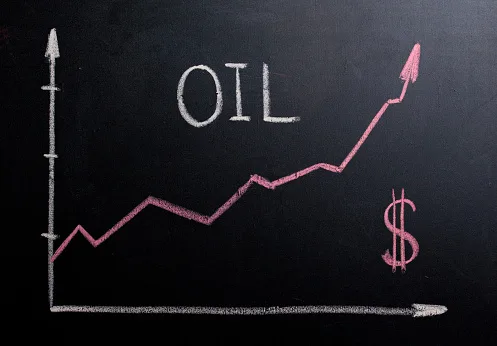
- Monitor geopolitical news closely: Stay informed about developments in the Middle East and their potential impact on oil prices and risk sentiment.
- Analyze economic data releases: Pay attention to inflation figures, GDP growth, and employment data from major economies.
- Implement robust risk management: Use stop-loss orders and manage leverage carefully to protect capital.
By staying informed and adapting their strategies to the evolving market conditions, traders can navigate the current volatility and capitalize on potential opportunities in the forex market.
Track markets in real-time
Empower your investment decisions with AI-powered analysis, technical indicators and real-time price data.
Join Our Telegram Channel
Get breaking market news, AI analysis and trading signals delivered instantly to your Telegram.
Join Channel