Forex Today: US Dollar firms ahead of NFP, Oil surges amid Middle East war

Dollar Strengthens Amidst Oil Surge
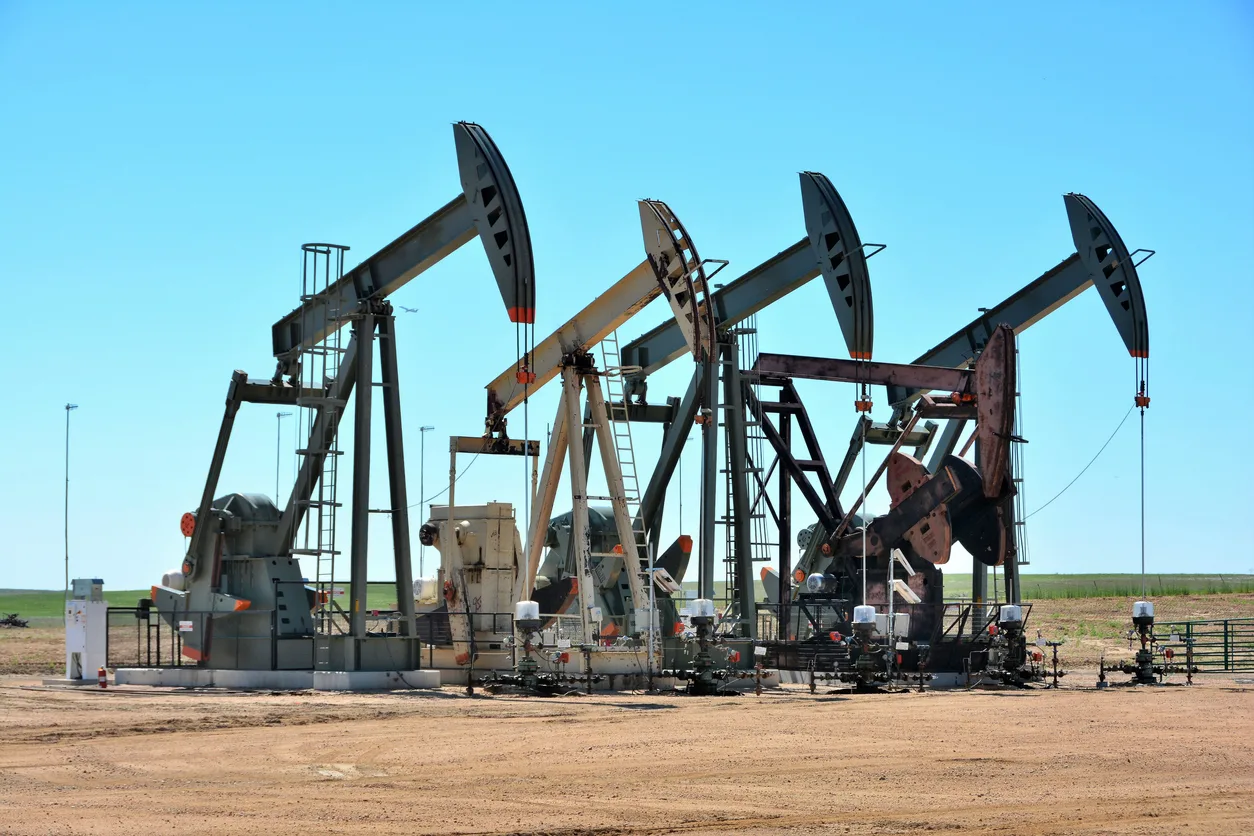
The US Dollar (USD) is currently exhibiting resilience, bolstered by the surge in crude oil prices. West Texas Intermediate (WTI) crude has ascended to peaks unseen since July 2024, driven by anxieties surrounding potential disruptions to maritime traffic in the Strait of Hormuz and reports of vessel attacks within the region. These geopolitical tensions are injecting a risk premium into oil markets, indirectly supporting the Dollar.
The Dollar's performance against major currencies reveals its relative strength. As of today, the USD has demonstrated the most significant gains against the Australian Dollar (AUD), reflecting divergent economic outlooks and monetary policy stances between the United States and Australia. Currency valuations are always relative; a strengthening USD often mirrors weakness elsewhere.
| Currency Pair | Percentage Change (USD) |
|---|---|
| USD/AUD | Positive (Example) |
| USD/EUR | Varies |
Gold's Enduring Appeal as a Safe Haven
Gold's historical significance as a store of value and medium of exchange is undeniable. Beyond its aesthetic appeal and use in jewelry, gold is widely regarded as a safe-haven asset, attracting investors during periods of economic and geopolitical uncertainty. Its intrinsic value, independent of any specific issuer or government, also positions it as a hedge against inflation and currency depreciation.
Central banks play a crucial role in the gold market. They often bolster their reserves with gold to support their currencies during turbulent times, signaling economic strength and solvency. According to the World Gold Council, central banks collectively added 1,136 tonnes of gold, valued at approximately $70 billion, to their reserves in 2022. This represents the largest annual purchase on record, with emerging economies like China, India, and Turkey leading the charge in accumulating gold reserves.
Market Dynamics and Gold Price Drivers
Gold prices exhibit an inverse correlation with both the US Dollar and US Treasuries, which are also considered safe-haven assets. A weakening Dollar typically leads to an increase in gold prices, as investors and central banks seek to diversify their holdings. Similarly, gold tends to move inversely with risk assets; a stock market rally often dampens gold's appeal, while sell-offs in riskier markets tend to boost demand for the precious metal.
Numerous factors can influence gold prices. Geopolitical instability, the threat of recession, and fluctuations in interest rates all play a significant role. As a non-yielding asset, gold tends to benefit from lower interest rates, while higher rates can exert downward pressure. Ultimately, the US Dollar's performance is a key determinant of gold prices, given that gold is priced in dollars (XAU/USD). A strong dollar generally keeps gold prices in check, while a weaker dollar is likely to drive them higher. Investors should carefully monitor these interconnected market dynamics to anticipate potential shifts in gold's trajectory.
Track markets in real-time
Empower your investment decisions with AI-powered analysis, technical indicators and real-time price data.
Join Our Telegram Channel
Get breaking market news, AI analysis and trading signals delivered instantly to your Telegram.
Join Channel