Is Gold Poised for a Further Fall as Oil Prices Surge and Fed Stays Hawkish?
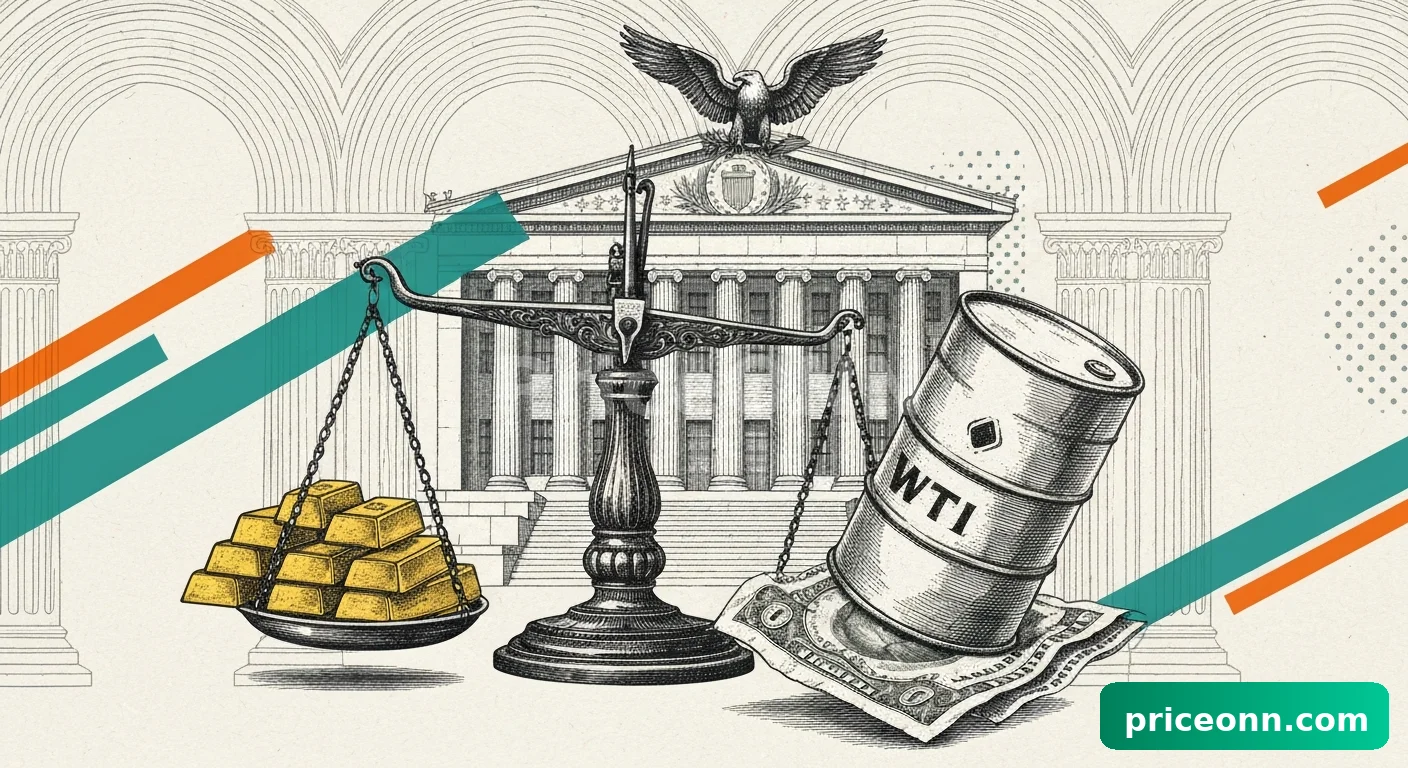
Gold prices have experienced a significant downturn, falling to approximately $5,023 per ounce on Monday. This decline extends losses for the second consecutive week, pushing the precious metal to levels last observed in the third week of February. The weakening price action occurs despite escalating geopolitical tensions in the Middle East, a scenario that typically bolsters gold's safe-haven status.
Market Context: Geopolitical Turmoil Meets Inflationary Fears
The current market environment presents a counterintuitive scenario for gold. While the Middle East conflict, now entering its third week, has historically driven investors towards gold, the prevailing sentiment is shifting. Instead of seeking refuge in the yellow metal, traders are increasingly concerned about the inflationary pressures stemming from soaring oil prices. This has led to a recalibration of expectations regarding central bank monetary policy.
Market data indicates a growing belief that the U.S. Federal Reserve will maintain its restrictive monetary stance. This outlook is supported by rising yields on U.S. government bonds, which offer a more attractive alternative to non-yielding assets like gold. The opportunity cost of holding gold is becoming more pronounced, contributing to the downward price pressure.
Analysis & Drivers: Oil Spikes and Fed Uncertainty
The primary catalyst for the current market unease is the ongoing military conflict in the Middle East. Recent reports highlight disruptions to critical shipping lanes and a U.S. strike on Iran’s Kharg Island oil terminal, a key export hub. Retaliation from Iran, including strikes on energy assets in the UAE, has further exacerbated supply concerns.
West Texas Intermediate (WTI) crude oil prices have fluctuated near the $100 per barrel mark, with trading sessions opening with bullish gaps for the third consecutive Monday. This sustained volatility in energy markets is directly fueling inflation worries. Analysts note that the persistent rise in energy prices makes a swift pivot to monetary policy easing by central banks increasingly improbable.
The U.S. Federal Reserve's upcoming monetary policy decision is under intense scrutiny. While a rate hold is widely anticipated, investors will be dissecting statements for any hints about future policy direction. Crucially, market sentiment regarding potential rate cuts has shifted dramatically. Just a month ago, traders assigned a 69% probability to a June rate cut; this figure has plummeted to only 26%.
Trader Implications: Watching Key Levels and Fed Signals
For traders, the current landscape presents a complex interplay of geopolitical risk and monetary policy expectations. Key levels to watch for gold (XAU/USD) include the March 3rd low and levels last seen in the third week of February, which now represent significant support. Conversely, previous resistance levels, potentially around $5250, could act as a ceiling should sentiment shift.
The U.S. dollar has shown some pullback after touching 10-month highs, but its trajectory remains closely tied to Fed expectations. Traders should closely monitor developments in the Middle East for any signs of de-escalation or further escalation, as these will directly impact oil prices and inflation outlooks.
The Federal Reserve's upcoming meeting and the subsequent press conference with Chair Jerome Powell will be critical. Any indication of a prolonged period of higher interest rates could further dampen demand for gold. Conversely, unexpected dovish signals, though unlikely given current data, could trigger a swift reversal.
Outlook: Awaiting Policy Clues Amidst Persistent Uncertainty
The outlook for gold remains uncertain, heavily dependent on the evolving geopolitical situation in the Middle East and the communication from major central banks, particularly the Federal Reserve. While geopolitical turmoil typically supports gold, the current focus on inflation and higher interest rates suggests that the precious metal may face continued headwinds in the short term. Traders should remain vigilant for shifts in market sentiment and key economic data releases that could alter the current trajectory.
Frequently Asked Questions
Why is gold falling despite the ongoing Middle East conflict?
Gold is falling as investors prioritize concerns over inflation driven by surging oil prices, rather than seeking a safe haven. Market data indicates a shift towards interest-bearing assets due to expectations of prolonged higher interest rates from central banks, making non-yielding gold less attractive.
What is the current price outlook for gold (XAU/USD)?
Gold prices have dropped below $5,023 per ounce, testing levels from late February. Technical analysis suggests that while a long-term ascending channel exists, the immediate momentum is bearish. Key support lies near recent lows, while resistance could emerge around $5250.
How will the upcoming Federal Reserve decision impact gold prices?
The Federal Reserve's upcoming decision is crucial. With market expectations for a June rate cut plummeting from 69% to 26%, any signal of sustained higher rates would likely continue to pressure gold. Conversely, any unexpectedly dovish tone could provide a boost, though this is currently seen as unlikely.
Track markets in real-time
Empower your investment decisions with AI-powered analysis, technical indicators and real-time price data.
Join Our Telegram Channel
Get breaking market news, AI analysis and trading signals delivered instantly to your Telegram.
Join Channel