Gold Slides Towards Second Weekly Loss as Mideast Tensions Fuel Inflation Fears
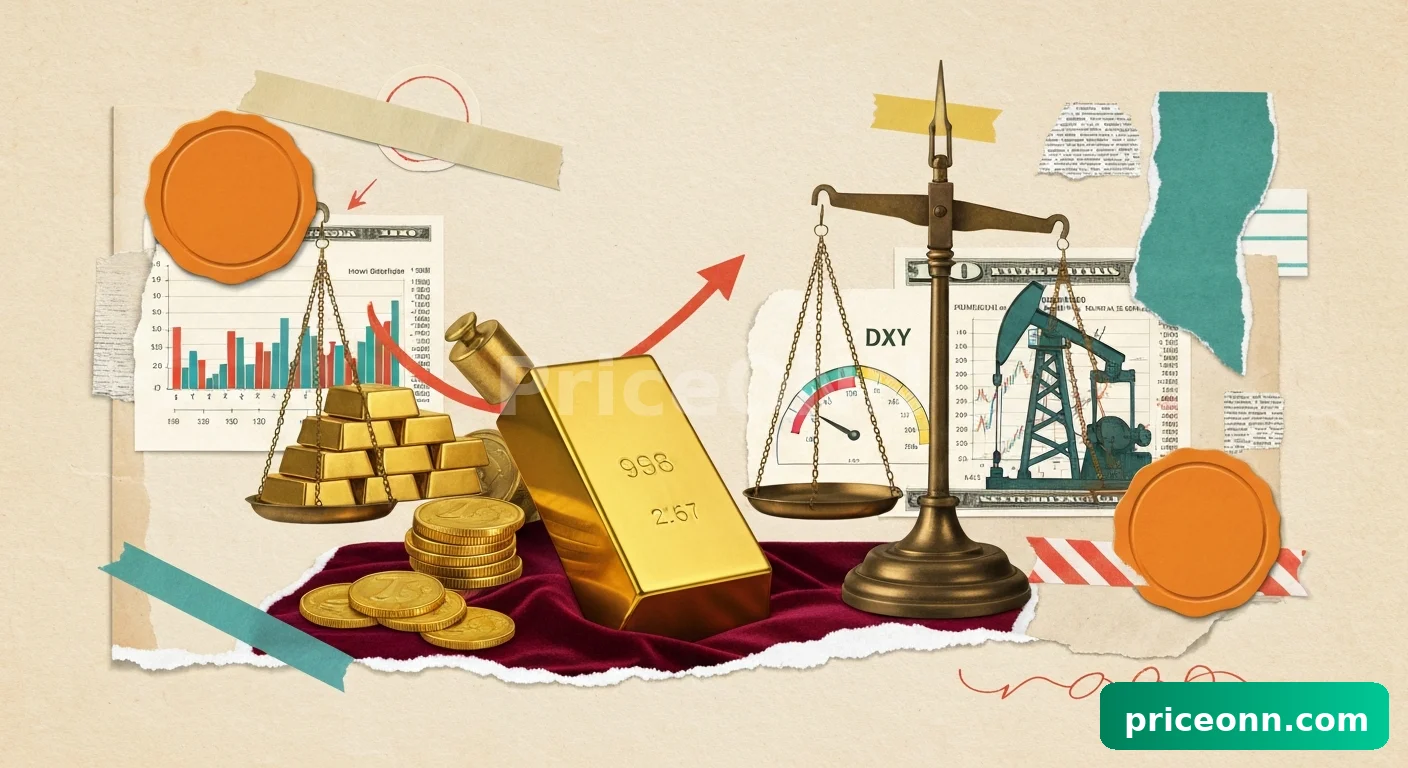
Gold prices are heading for a second consecutive weekly loss, trading near $5,020 an ounce after slipping as much as 1% on Friday. The precious metal's performance is weighed down by persistent inflationary pressures stemming from the ongoing conflict in the Middle East, which is driving up energy prices and dampening expectations of near-term interest rate cuts.
Market Context
Gold's recent price action reflects a struggle to maintain its safe-haven appeal amid conflicting market forces. While geopolitical tensions typically boost gold, the inflationary impact of the Middle East war is leading investors to anticipate a more hawkish stance from central banks. This expectation of higher interest rates diminishes gold's attractiveness, as it yields no interest.
Silver is experiencing even greater selling pressure, falling almost 5% to around $80 an ounce. Despite the recent pullback, gold remains up approximately 17% year-to-date, having retreated nearly 9% from its late January high near $5,600. Silver's year-to-date gains are trailing gold, currently around 10%.
Analysis & Drivers
The primary driver behind gold's recent weakness is the impact of the Middle East conflict on energy prices. Rising oil and gas prices are fueling concerns about a reacceleration of inflation, potentially forcing central banks to maintain or even increase interest rates. Market data shows the U.S. Dollar index (DXY) surging above 100.00, further weighing on gold prices, as the greenback becomes the preferred safe-haven asset.
Industry reports indicate that U.S. consumer sentiment has declined to a three-month low amid inflation fears. This is compounded by recent economic data showing that consumer spending barely rose in January, suggesting that price pressures were building even before the escalation of tensions in the Middle East. Analysts note that gold has struggled to capitalize on the geopolitical crisis, as inflationary worries take center stage.
Trader Implications
Traders should closely monitor developments in the Middle East and their impact on energy prices. Key levels to watch for gold include the $5,000 support level and the $5,200 resistance level. A break below $5,000 could signal further downside, while a move above $5,200 might indicate a renewed bullish sentiment.
- Pay close attention to inflation data and central bank communications, as these will heavily influence interest rate expectations and, consequently, gold prices.
- Consider hedging strategies to mitigate the impact of potential interest rate hikes on gold holdings.
- Be aware that a stronger dollar typically puts downward pressure on gold prices.
Outlook
Looking ahead, gold's performance will likely remain tied to the trajectory of inflation and interest rates. The ongoing conflict in the Middle East introduces significant uncertainty, with the potential for further energy price shocks. Upcoming economic data releases, particularly inflation figures and central bank meetings, will be crucial in shaping market sentiment and determining the next move for gold.
Track markets in real-time
Empower your investment decisions with AI-powered analysis, technical indicators and real-time price data.