LNG Market Faces Crisis as Qatar Halts Exports: What's the Impact?
Qatar LNG Export Halt Triggers Global Gas Market Turmoil
The global liquefied natural gas (LNG) market is facing a significant crisis following QatarEnergy's declaration of force majeure on its LNG exports. This decision, triggered by disruptions at its Ras Laffan industrial facilities due to the escalating conflict in the Middle East and near-total halt of shipping in the Strait of Hormuz, has sent ripples throughout the energy sector. Qatar, a major player accounting for approximately 20% of global LNG exports, is now unable to fulfill its contractual obligations, impacting key economies in Asia and Europe.
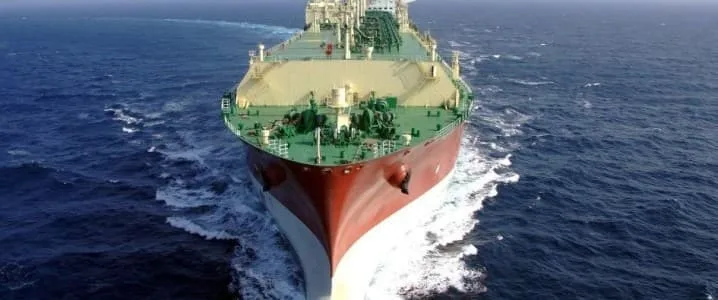
The immediate consequence has been a dramatic surge in natural gas prices. Europe's Title Transfer Facility (TTF) benchmark saw a 52% spike on March 2nd, reflecting the market's anxiety over potential supply shortages. The situation is further compounded by a critical shortage of LNG carriers, with daily charter rates skyrocketing from around $40,000 to as high as $300,000.
Supply Chain Vulnerabilities and Regional Impacts
The duration of the disruption remains uncertain, but analysts are already assessing potential scenarios. Rystad Energy estimates that even a limited 15-day halt in production could result in a 4.3% decline in 2026 output, equivalent to approximately 3.3 million tonnes (Mt). A prolonged disruption could lead to a greater loss of around 5.6 Mt. A worst-case scenario, involving a 4-5 week closure of the Strait of Hormuz, could have even more severe consequences.
European Energy Security at Risk
The impact is already being felt in Europe, with Moldova's breakaway Transnistria region reporting gas supply shortages. Transnistria, heavily reliant on Russian gas in the past, has been sourcing gas from European providers since 2024. However, the current crisis has led to "critical disruptions in gas supplies," according to the Transnistrian economic development ministry. This situation highlights the vulnerability of European energy security to geopolitical events in the Middle East.
Implications for Traders and Investors
The current LNG market crisis presents both challenges and opportunities for traders and investors. The surge in gas prices and tanker rates creates short-term trading opportunities, but also increases the risk of volatility. Investors should closely monitor the geopolitical situation in the Middle East and assess the potential impact on global LNG supply and demand. Key factors to watch include:
- The duration of the Strait of Hormuz closure
- The extent of any damage to Qatar's LNG production facilities
- The availability of alternative LNG supply sources
- Government responses and energy security measures
The situation underscores the importance of diversification in energy supply and the need for robust contingency plans to mitigate the impact of geopolitical risks. The premium on Asian LNG prices over European prices is increasing, suggesting that Asia is more affected by the supply disruptions.
The force majeure declared by QatarEnergy marks a significant turning point in the global LNG market. While the long-term impact remains uncertain, the immediate consequences are clear: higher prices, increased volatility, and heightened concerns about energy security. Traders and investors must remain vigilant and adapt to the rapidly evolving situation.
Track markets in real-time
Empower your investment decisions with AI-powered analysis, technical indicators and real-time price data.
Join Our Telegram Channel
Get breaking market news, AI analysis and trading signals delivered instantly to your Telegram.
Join Channel