Natural Gas Market Faces Supply Test: Analyzing the Impact of Middle East Disruptions
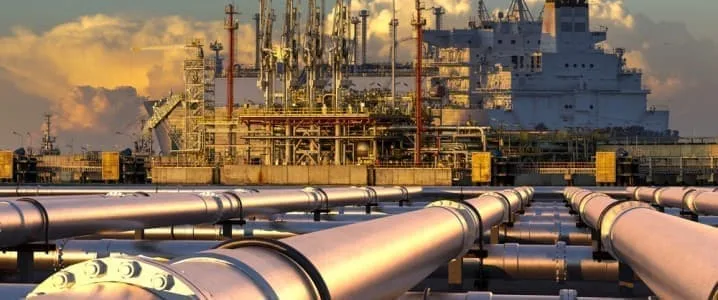
Qatar LNG Halt and Strait of Hormuz Closure Shake Gas Markets
Natural gas markets are currently navigating a turbulent period, primarily driven by two key events: QatarEnergy's suspension of LNG production and restricted access through the Strait of Hormuz. These disruptions, unfolding amidst escalating geopolitical tensions in the Middle East, have sent shockwaves through the global energy landscape. The immediate impact was a sharp increase in prices, with Europe’s Title Transfer Facility (TTF) benchmark surging by 52% on March 2nd. However, the question remains: will these disruptions trigger a prolonged global price spiral, or will the market adapt and stabilize?
Rystad Energy suggests the initial shock will have a limited and transient effect on the broader global gas and liquefied natural gas landscape, assuming the disruptions are relatively short-lived. This outlook hinges on the ability of alternative supply sources and demand adjustments to mitigate the impact of reduced Qatari LNG exports.
Potential Supply Shortfalls and Mitigation Strategies
The extent of the supply shortfall depends on the severity of infrastructural damage and the duration of the Strait of Hormuz closure. Consider these potential scenarios:
- Limited Disruption (15-day halt): A swift resolution with minimal damage could result in a 4.3% decline in 2026 output, equivalent to approximately 3.3 million tonnes (Mt).
- Prolonged Disruption: A more protracted disruption could lead to a loss of around 5.6 Mt of supply.
These scenarios highlight the sensitivity of the market to even relatively short-term disruptions, underscoring Qatar's critical role in global LNG supply. For traders, this means closely monitoring geopolitical developments and infrastructure updates to anticipate potential price swings. The price of Asian spot LNG retreated to $23.80 per million British thermal units (MMBtu) on Thursday from a three-year high of $25.40.
European Gas Crunch: Moldova Region Signals Supply Issues
Early indicators of gas supply challenges are emerging in Europe, with Moldova's breakaway Transnistria region reporting impending shortages. This situation underscores the vulnerability of regions reliant on uninterrupted gas flows, especially amid geopolitical instability. This region had enjoyed nearly-free gas from Russia until 2024, when Ukraine ended its gas transit agreement with Gazprom. Now sourcing from European providers, Transnistria faces reduced gas availability due to Middle Eastern instability. The Transnistrian economic development ministry reported
Track markets in real-time
Empower your investment decisions with AI-powered analysis, technical indicators and real-time price data.
Join Our Telegram Channel
Get breaking market news, AI analysis and trading signals delivered instantly to your Telegram.
Join Channel