Venezuela's Gas Potential Could Overshadow Its Famous Oil Reserves
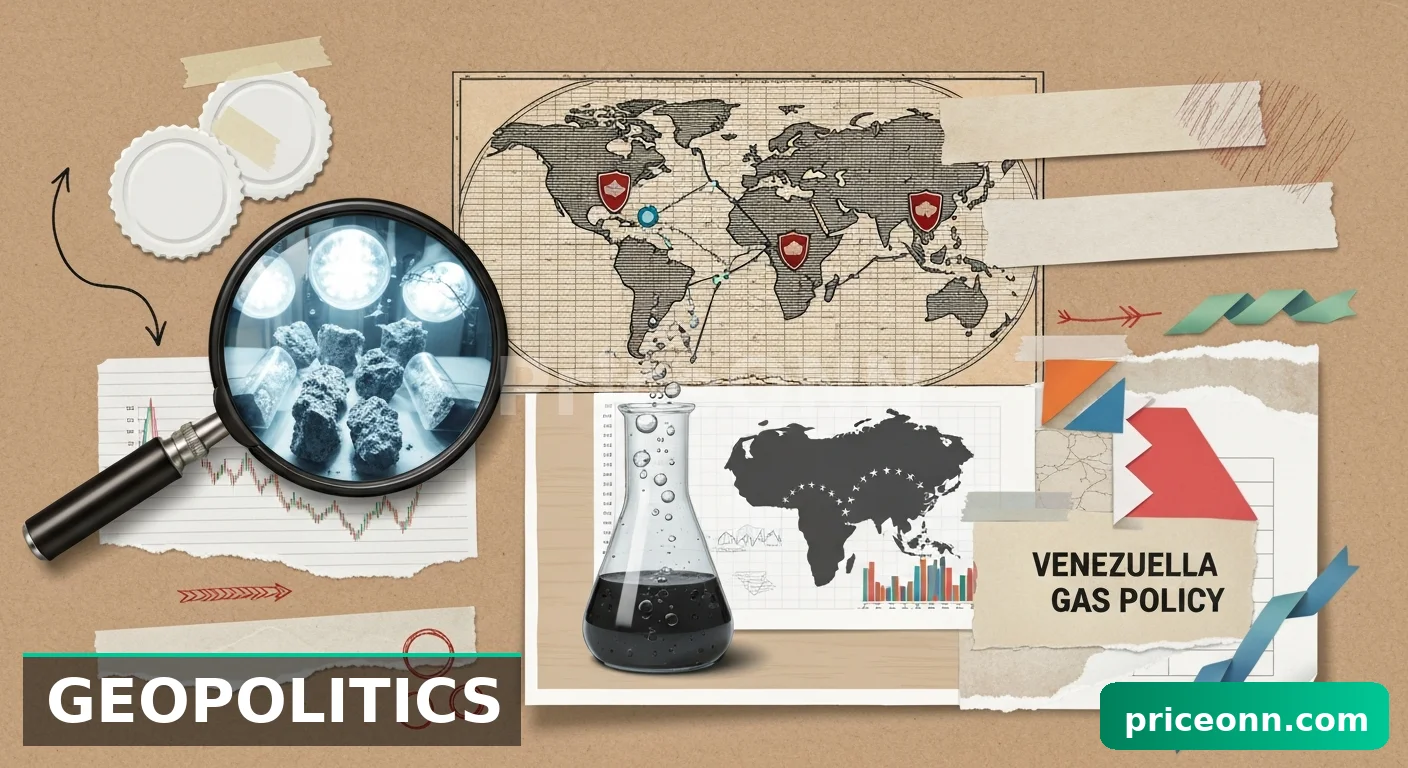
Venezuela's Energy Landscape: Beyond Oil
The recent shift in Venezuela's political climate, marked by the United States' involvement on January 3rd, has ignited global attention on its energy sector, particularly its oil industry. Once a dominant force in global oil production, Venezuela's output has declined due to years of insufficient investment and operational challenges. With the U.S. now eyeing Venezuelan crude, speculation abounds regarding the speed at which its oil resources can be revived. However, a compelling alternative exists: the nation's significant natural gas reserves.
Venezuela holds the world's largest proven oil reserves, estimated at 300 billion barrels. Despite this immense potential, chronic underinvestment and mismanagement have severely hampered production. The recent geopolitical shifts have spurred renewed investor interest, fueled by the prospect of revitalizing Venezuela's long-neglected oil infrastructure.
Unlocking Gas Potential: Investment and Collaboration
A statement released by the White House on February 13th emphasized the intent to "reopen and develop Venezuela’s oil industry for the shared benefit." The statement highlighted the issuance of general licenses to facilitate investment in Venezuela's energy infrastructure.
"Venezuela holds tremendous economic potential, but years of instability, corruption, and economic mismanagement have limited the nation’s growth and prosperity. These general licenses invite American and other aligned companies to play a constructive role in supporting economic recovery and responsible investment."
While oil dominates the headlines, many experts believe that natural gas offers a more realistic near-term opportunity. Vast quantities of Venezuelan gas lie beneath the seafloor, particularly off the eastern coast near Trinidad and Tobago. Despite their discovery decades ago, these reserves remained largely untapped as the government prioritized oil production.
The Dragon Field and Regional Synergies
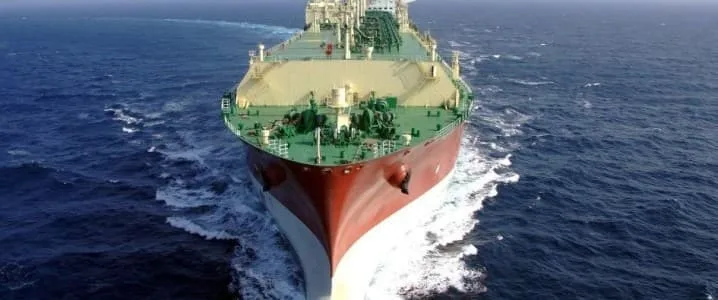
Several major energy companies, including Shell, have expressed interest in Venezuela's gas sector, even amidst geopolitical instability and sanctions. These sanctions, primarily targeting the state-owned oil company Petróleos de Venezuela, have hindered gas industry development. Furthermore, unlocking Venezuela's gas potential necessitates collaboration with Trinidad and Tobago, which possesses existing infrastructure for fuel transport and export.
An energy partnership between the two nations could expedite Venezuela's gas industry development, leveraging Trinidad's established infrastructure. However, historically strained relations, partly due to differing stances on the Maduro regime and sanctions, present a challenge. Venezuela's most promising gas prospect is the Dragon oil field, the closest to potential development. A 2023 agreement with Shell aims to construct a pipeline connecting Dragon to Shell's Trinidadian infrastructure.
Shell's development of the Dragon field is projected to generate approximately $500 million annually at current gas prices, with at least 45% expected to accrue to Venezuela through taxes and royalties. According to Shell's CEO, Wael Sawan, these opportunities could be activated within months, attracting billions in investment and boosting production within a couple of years.
"These are opportunities that could potentially be activated within months, with potentially a few billion dollars of investments and production in the next couple of years,"
U.S. Energy Secretary Chris Wright has highlighted the potential for a regional natural gas collaboration to benefit all parties involved, including Trinidad and Tobago, the global LNG market, and Venezuela.
BP is also exploring the Cocuina gas field, a project potentially enabled by eased U.S. sanctions. Recent actions by the U.S. Treasury Department suggest a greater willingness to allow oil and gas firms to negotiate and operate in Venezuela. Some analysts interpret this as a strategy to enable existing players to operate within the country.
While the focus remains on Venezuela's long-term oil industry revitalization, international energy majors are increasingly drawn to its natural gas potential. Realizing this potential hinges on collaboration with Trinidad and Tobago, potentially fostering a new regional energy hub in Latin America and the Caribbean.
Track markets in real-time
Empower your investment decisions with AI-powered analysis, technical indicators and real-time price data.
Join Our Telegram Channel
Get breaking market news, AI analysis and trading signals delivered instantly to your Telegram.
Join Channel