Oil Prices Soar 29% as Iran Conflict Threatens Middle East Supply
Regional Hostilities Intensify
The geopolitical landscape has become increasingly volatile as Israel initiates a fresh series of strikes targeting Iranian and Hezbollah infrastructure. The Israel Defense Forces (IDF) confirmed these operations, stating that they are directed at infrastructure linked to the Iranian regime in central Iran and the Iran-backed Hezbollah group in Beirut. These actions are reportedly part of ongoing efforts to dismantle Iranian military and command capabilities in the region.
Adding to the complexity, Israeli sources reported the death of Abolqasem Babaian, the newly appointed head of the military office of Iran’s supreme leader, in a recent strike. Concurrently, Iran reportedly executed a drone strike on Sitra Island in Bahrain, resulting in injuries to at least 32 individuals, with four in critical condition, according to Bahrain's official news agency.
These exchanges follow earlier reports of Israel intercepting missiles launched from Iran, further highlighting the escalating nature of the conflict. The situation remains fluid, with potential for further retaliatory actions and broader regional implications.
Crude Oil Markets React Sharply
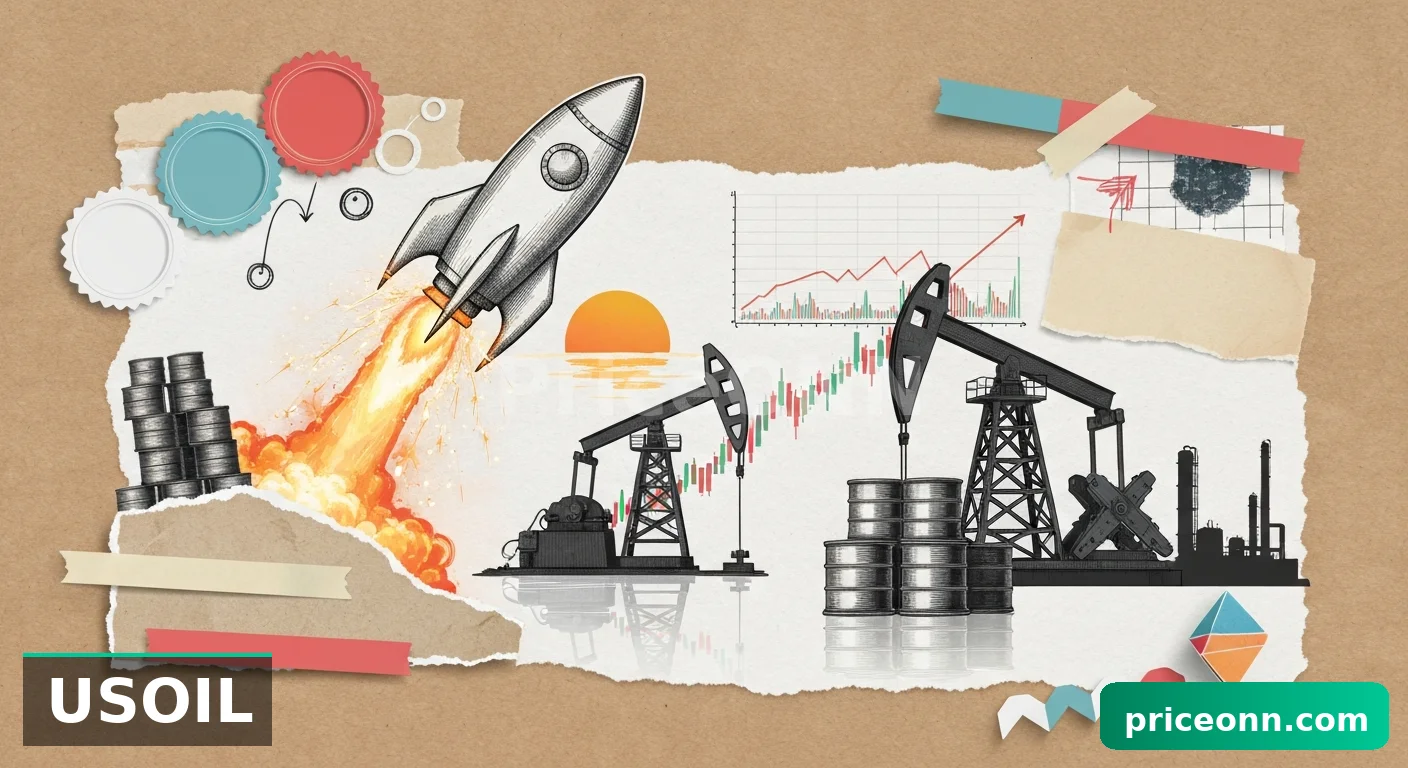
The intensifying conflict has triggered a substantial rally in crude oil markets. Both West Texas Intermediate (WTI) and Brent crude benchmarks have experienced dramatic increases, fueled by concerns over potential supply disruptions. WTI crude surged to $117.50, marking a 29.27% increase, while Brent crude climbed to $117.70, reflecting a 26.98% gain.
Market analysts attribute this surge to fears of prolonged disruptions to oil production and exports from key Gulf producers. The attacks, including reported strikes on fuel storage facilities and desalination plants, have heightened anxieties regarding the security of regional energy infrastructure and tanker traffic. These concerns are now being factored into market valuations, potentially leading to continued price volatility.
Traders are closely monitoring the situation, assessing the potential impact on global oil supply chains. Any significant disruption could have far-reaching consequences for the global economy, potentially exacerbating inflationary pressures and impacting economic growth.
Global Equity Markets Under Pressure
The escalating Middle East tensions have also reverberated through global equity markets, triggering a broad sell-off as investors seek to reduce risk exposure. Stock markets in Hong Kong and mainland China experienced significant declines at the start of the trading week, with the Hang Seng Index falling by over 3% and the CSI 300 index dropping by approximately 1.9%.
U.S. equity futures also signaled a negative open, with both S&P 500 futures and Nasdaq-100 futures declining by more than 2%. This downturn reflects a growing sense of risk aversion among investors, as geopolitical uncertainty intensifies and markets brace for potential volatility in energy prices and global supply chains.
The appointment of Ayatollah Mojtaba Khamenei as Iran’s new supreme leader further compounds the uncertainty, signaling a continuation of the country’s hardline policies and potentially undermining efforts to de-escalate tensions in the region.
Track markets in real-time
Empower your investment decisions with AI-powered analysis, technical indicators and real-time price data.
Join Our Telegram Channel
Get breaking market news, AI analysis and trading signals delivered instantly to your Telegram.
Join Channel