Silver pauses recovery as US-Iran ceasefire optimism fades
Silver's Consolidation Amid Shifting Geopolitical Winds
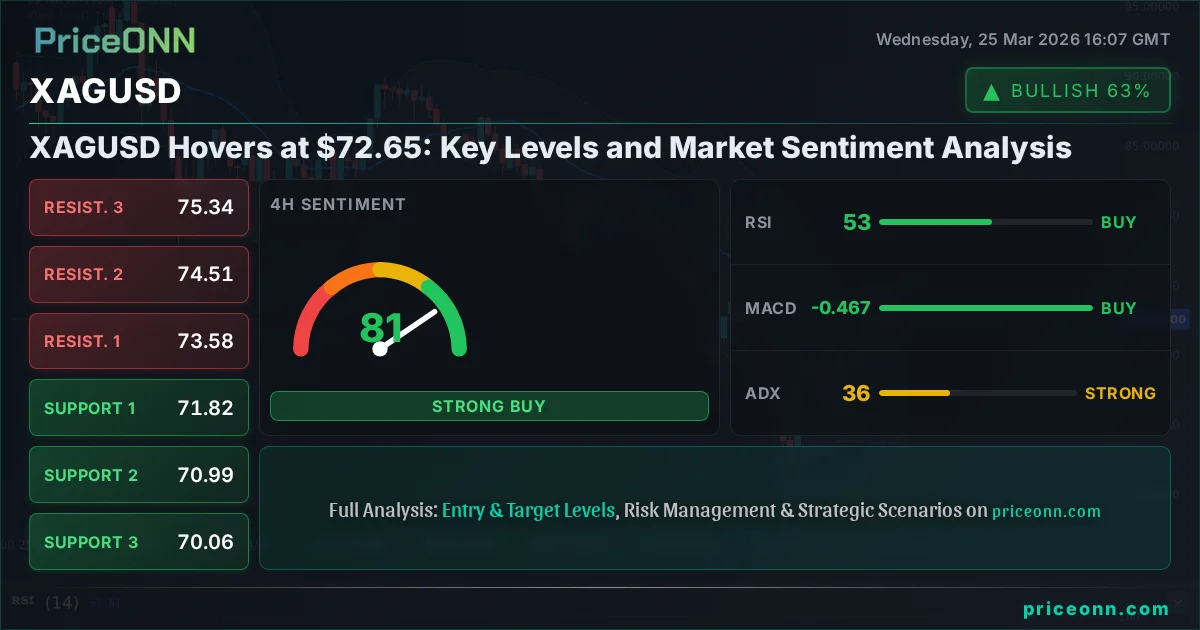
The white metal, Silver, experienced a pause in its upward momentum on Wednesday. After initially pushing higher, the asset began to consolidate its gains, trading below its daily peak. This pullback occurred as early hopes for a diplomatic resolution between the United States and Iran, which had fueled a brief surge in sentiment, began to wane. Iran's subsequent response to ceasefire proposals reportedly dampened the initial optimism, leading traders to reassess the geopolitical landscape.
Silver, often seen as a barometer for global economic health and geopolitical tensions, finds itself at a critical juncture. Its appeal stems from a dual nature: a precious metal with intrinsic value and a vital industrial component. While not commanding the same safe-haven prestige as gold, it frequently attracts investor interest seeking portfolio diversification or a hedge against inflationary pressures. Investors can gain exposure through physical bullion, exchange-traded funds, or various derivative instruments, all of which are sensitive to a complex web of market forces.
Factors Influencing Silver's Price Trajectory
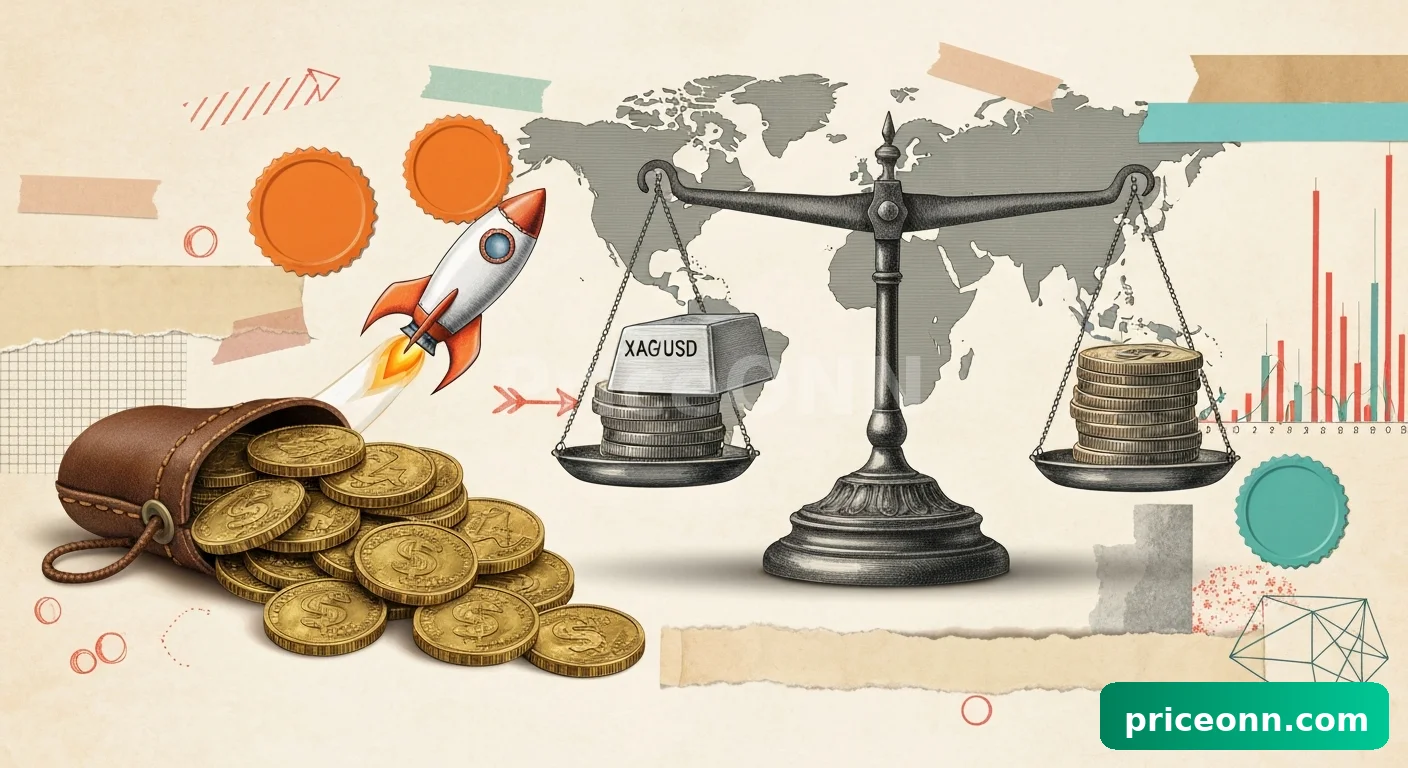
The price of Silver is notoriously sensitive to a variety of macroeconomic and geopolitical variables. Historically, periods of elevated geopolitical instability or stark fears of a significant economic downturn have propelled silver prices upward, leveraging its perceived status as a safe haven. Although its yieldless nature means it generally benefits from a low interest rate environment, the influence of the U.S. Dollar cannot be overstated. As XAG/USD is priced in dollars, a strengthening greenback typically exerts downward pressure on silver prices, while a weakening dollar often provides a tailwind for its appreciation.
Beyond these macroeconomic drivers, supply-side dynamics play a crucial role. Silver is considerably more abundant than gold, and its price is influenced by mining output and recycling rates. Furthermore, its widespread application in key industrial sectors, including electronics and solar energy, due to its exceptional electrical conductivity, creates significant demand-side pressure. A robust global industrial expansion can thus drive up silver prices, whereas an economic slowdown can suppress them. The economic health of major global players like the United States, China, and India is particularly impactful. China and the US are significant consumers in their manufacturing processes, while Indian consumer demand for silver jewelry also exerts a notable influence on global pricing.
The relationship between silver and gold remains a key consideration for many market participants. Typically, silver prices tend to mirror gold's movements, especially during times of market uncertainty when both metals are sought as havens. The gold-to-silver ratio, a metric indicating how many ounces of silver are required to purchase one ounce of gold, offers insight into their relative valuations. A high ratio might signal that silver is undervalued relative to gold, prompting some investors to consider strategic positioning.
Market Ripple Effects
The subdued sentiment surrounding the US-Iran geopolitical narrative, even if temporary, has tangible implications for several key markets. The immediate impact is seen on Silver prices themselves, which are pulling back from earlier advances. This development also casts a shadow over broader precious metals markets, potentially dampening immediate enthusiasm for gold as well, though gold's safe-haven appeal might offer more resilience.
The U.S. Dollar Index (DXY) could see renewed strength if geopolitical tensions re-escalate or if the Federal Reserve signals a more hawkish stance amid persistent inflation concerns, which would typically pressure silver. Conversely, any genuine de-escalation or positive news flow could weaken the dollar and provide a lift to commodities like silver. Industrial metals and related equities might also experience some volatility. A slowdown in global risk appetite, potentially exacerbated by prolonged Middle East uncertainty, could also negatively affect industrial metals demand and broader equity markets, including technology stocks that rely on components containing silver.
Reading Between the Lines
The ephemeral nature of the US-Iran ceasefire optimism highlights the delicate balance currently underpinning market sentiment. What initially appeared as a potential de-escalation quickly dissolved, underscoring how quickly geopolitical narratives can shift and impact risk assets. For silver traders, this serves as a stark reminder of the importance of monitoring geopolitical developments alongside fundamental economic data.
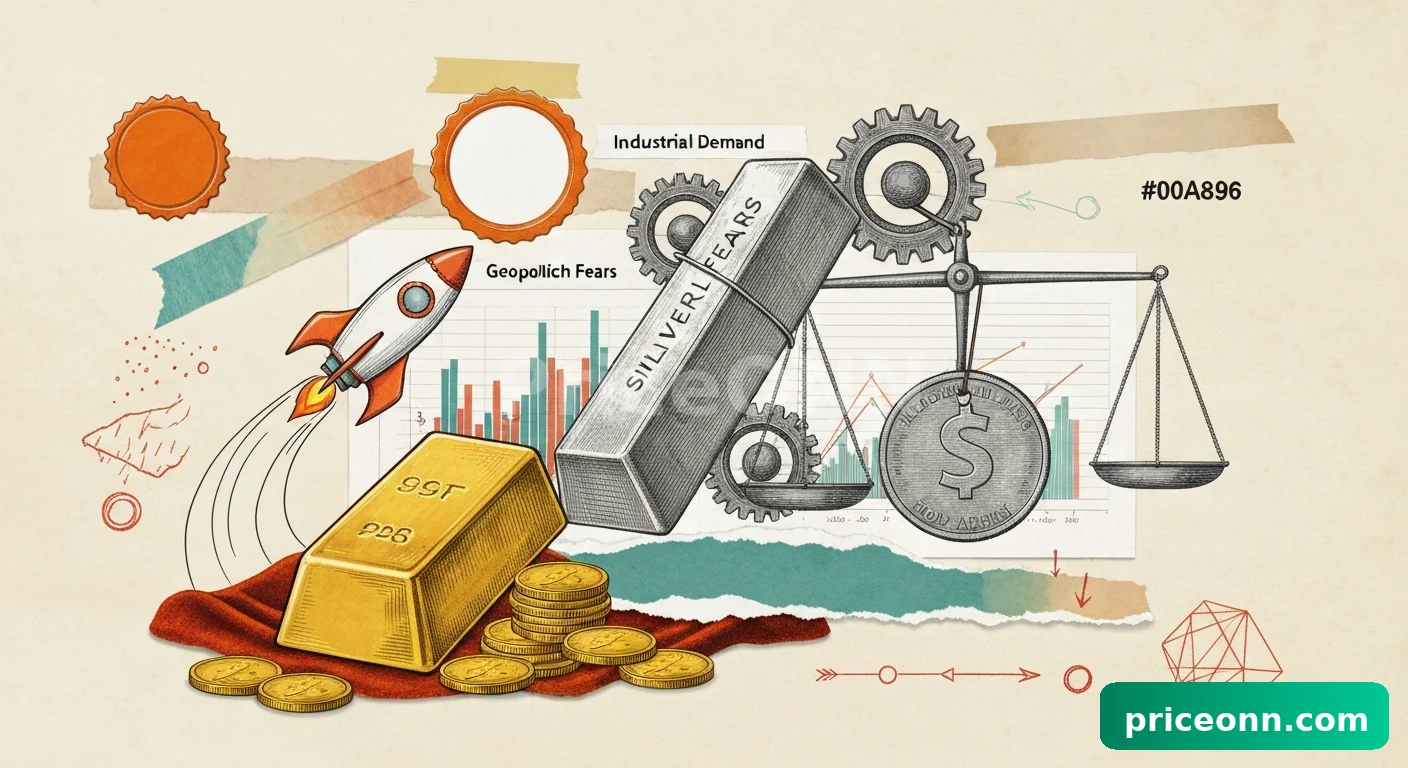
The current consolidation in silver suggests that while industrial demand remains a supportive factor, the broader macroeconomic environment and geopolitical risks are currently exerting a more dominant influence on short-term price action. Investors should remain attuned to shifts in central bank policy, particularly from the Federal Reserve, as interest rate expectations continue to shape the U.S. Dollar's trajectory. Furthermore, the ongoing industrial demand for silver, particularly in green energy technologies, represents a significant long-term structural support that could buffer against purely speculative downturns.
Track markets in real-time
Empower your investment decisions with AI-powered analysis, technical indicators and real-time price data.
Join Our Telegram Channel
Get breaking market news, AI analysis and trading signals delivered instantly to your Telegram.
Join Channel