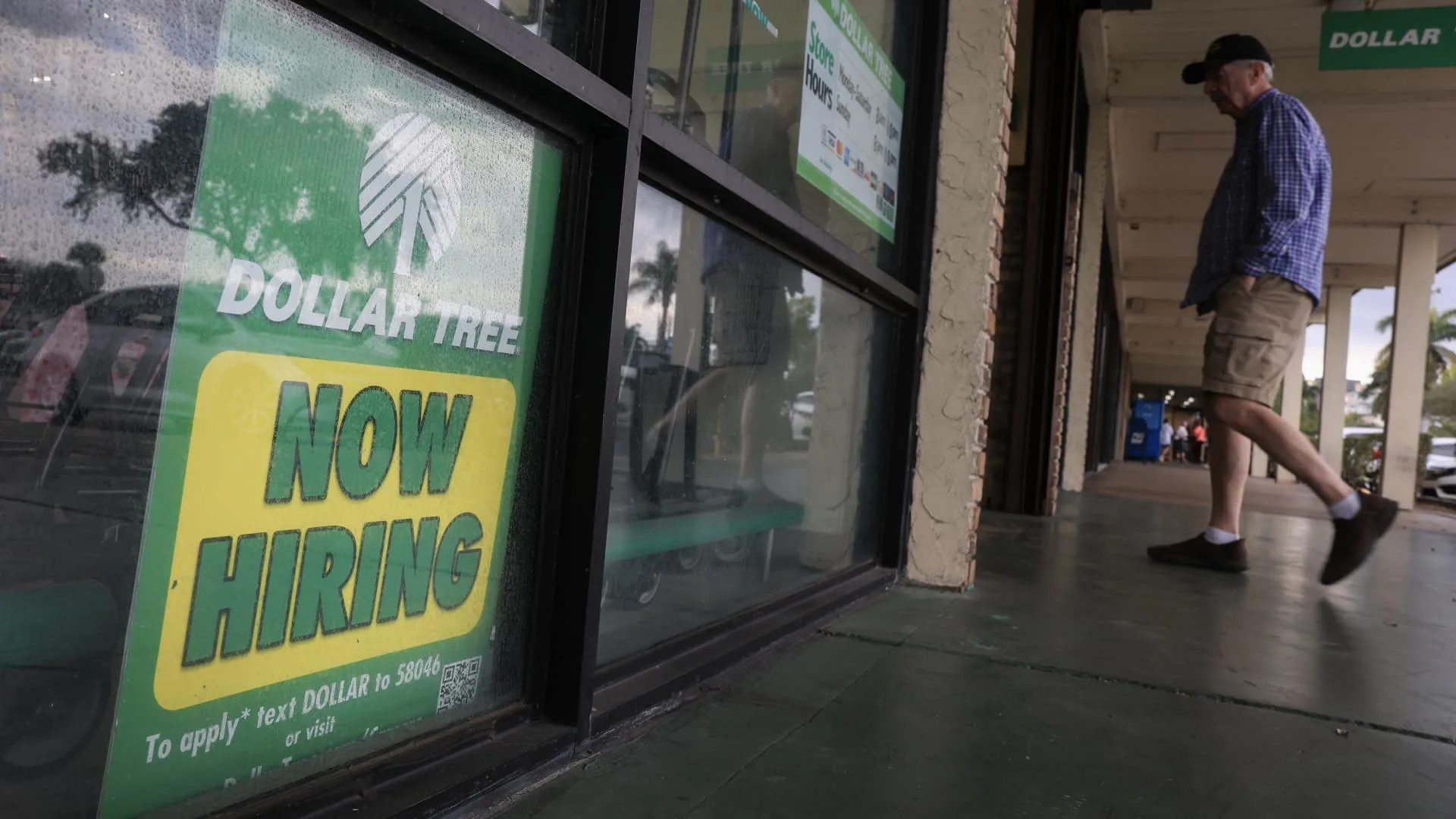
The February jobs numbers are coming out Friday. Here's what to expect
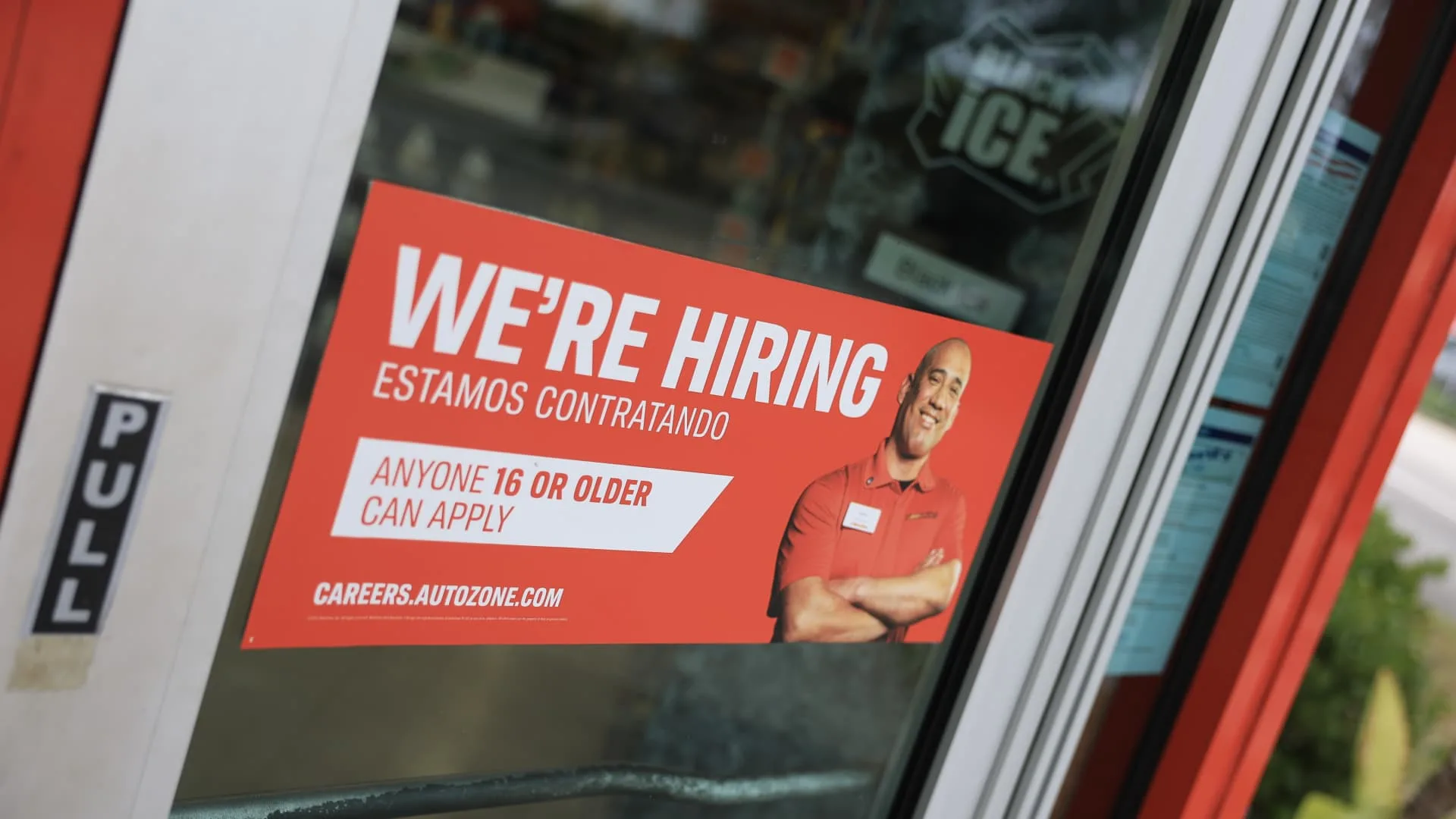
Labor Market Stability in Focus
The U.S. labor market, after a period of sluggish growth, is now being characterized by many as 'stable,' although underlying dynamics remain complex. Companies are hesitant to initiate layoffs given consistent demand, yet they also exhibit caution in expanding their workforce due to persistent uncertainties surrounding tariffs, inflationary pressures, and geopolitical risks.
Despite these challenges, commentary from Federal Reserve officials and leading market economists has adopted a more optimistic tone, emphasizing the resilience, if not the dynamism, of the employment landscape. This shift in perspective is largely driven by revised expectations.
With tighter immigration policies and other constraints limiting the expansion of the labor pool, a slower pace of hiring is now viewed as acceptable. The prevailing sentiment suggests that the current rate of job creation is adequate to maintain stability, at least in the short term.
"We've actually been getting signs of the U.S. labor market showing some stability," Claudia Sahm, chief economist at New Century Advisors, stated in a recent interview, cautioning that the low hiring rate introduces vulnerabilities.
Sectoral Imbalances and Potential Risks
The Bureau of Labor Statistics is scheduled to release its February nonfarm payrolls report on Friday at 8:30 a.m. ET. The consensus forecast among economists surveyed by Dow Jones points to a 50,000 increase in payrolls, a significant deceleration from January's unexpected surge of 130,000. The unemployment rate is projected to remain unchanged at 4.3%, reinforcing the narrative of a stable, albeit unspectacular, labor market.
However, a closer examination reveals potential vulnerabilities beneath the surface of this apparent stability. A disproportionate share of job creation in 2025 was concentrated in health-care-related industries. Excluding this sector, the already modest average monthly gains of 15,000 would have vanished. This trend appears to be continuing into the current year.
"One of the things that is very interesting slash potentially problematic is that we have almost all the growth happening in this health care and social [assistance] sectors," noted Laura Ullrich, director of economic research at Indeed, expressing concern about the lack of balance and true stability.
In January, health care and social assistance accounted for nearly all job gains, adding 82,000 and 42,000 positions, respectively. Conversely, the construction sector experienced a loss of 88,000 jobs in 2025, despite policy measures intended to stimulate growth.
Factors Influencing February Data
The February jobs report may also be affected by a recent strike at Kaiser Permanente, which involved 31,000 workers in California and Hawaii. Although the labor dispute was resolved on February 23, it occurred during the survey week used by the BLS to compile the report.
Bank of America anticipates a below-consensus payroll gain of 35,000 due to the strike, although they do not expect a significant impact on the unemployment rate. The evolving landscape of artificial intelligence is also casting a shadow on certain sectors, with companies like Block announcing substantial workforce reductions in response to AI adoption, adding another layer of complexity to the employment outlook.
Track markets in real-time
Empower your investment decisions with AI-powered analysis, technical indicators and real-time price data.
Join Our Telegram Channel
Get breaking market news, AI analysis and trading signals delivered instantly to your Telegram.
Join Channel