US Labor Market Weakness Intensifies: What It Means for the Fed

Labor Market Signals Downturn
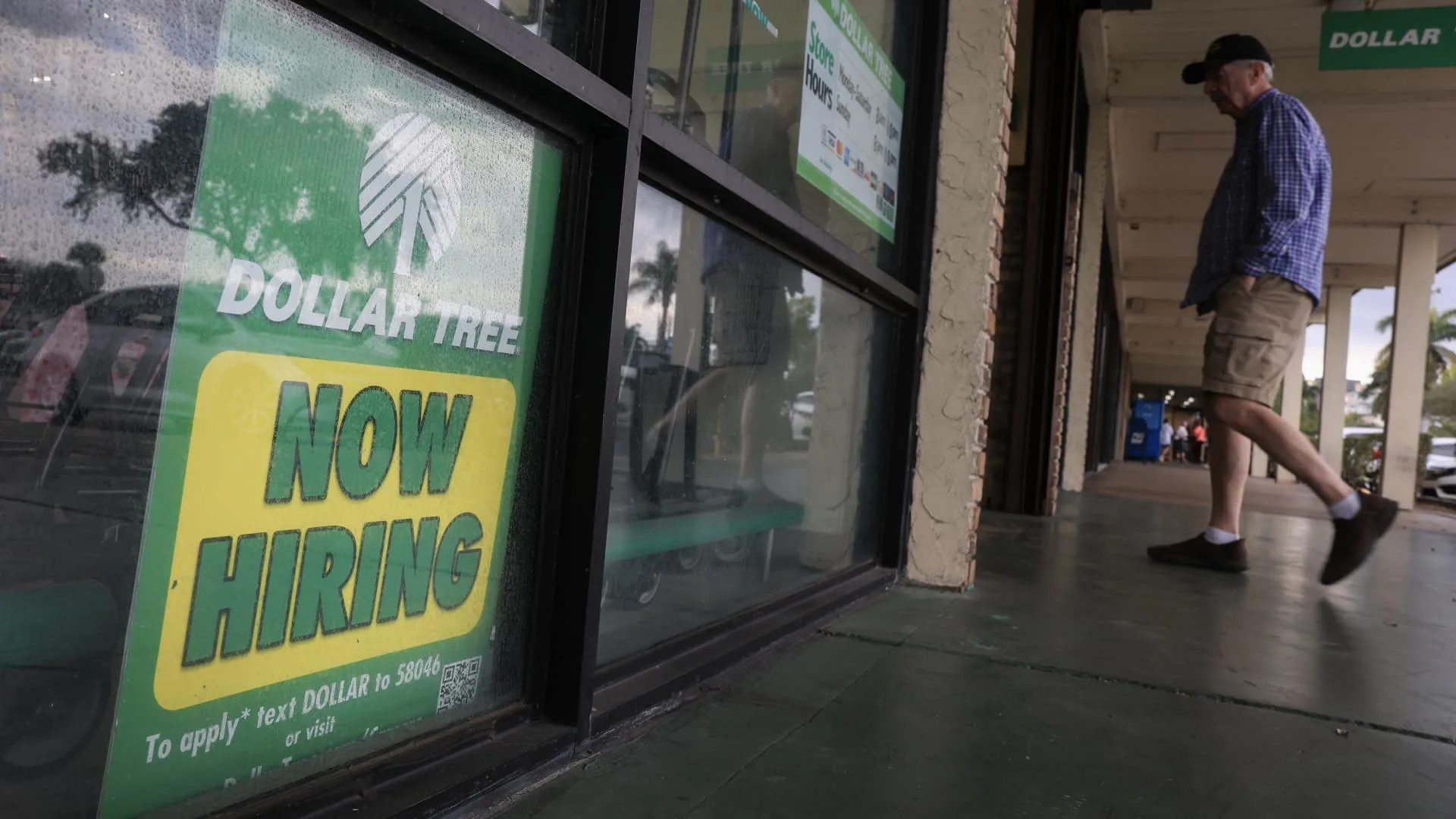
The U.S. labor market flashed warning signs in February, according to the latest jobs report. Nonfarm payrolls unexpectedly fell by 92,000, a sharp contrast to expectations and a worrying indicator of economic deceleration. The unemployment rate ticked up to 4.4%, and labor force participation declined to 62.0%. This confluence of negative data points suggests a significant shift in the labor market's health.
Revisions to previous months further compounded the concern, with payrolls for December and January revised down by a cumulative 69,000. This brings the three-month average payroll gain to a meager 6,000, highlighting the abrupt slowdown in job creation. Even sectors that have been reliable sources of employment, such as healthcare and social assistance, experienced job losses.
Consumer Spending Remains Buoyant, For Now
Despite the deteriorating labor market, control group retail sales data suggest that consumer spending remained relatively strong in January. This resilience may be due to pent-up demand or consumers drawing down savings. However, with real disposable income growth lagging behind real consumption growth, the sustainability of this spending is questionable. A weaker labor market will eventually translate into reduced consumer confidence and spending, potentially exacerbating the economic slowdown.
Implications for the Federal Reserve
The Federal Reserve's primary concern is the underlying stability of the labor market. This poor jobs report will likely influence the Fed's monetary policy decisions. While geopolitical risks, such as the situation in Iran and its potential impact on oil prices (Brent crude currently trades around $90 per barrel), are being monitored, the Fed's focus remains on domestic economic conditions. The central bank may now be more inclined to consider easing monetary policy sooner than previously anticipated. The Fed will want to see if this is a one-off report or the start of a trend.
Trading and Investment Considerations
- Interest Rate Sensitive Assets: Expect increased volatility in interest rate sensitive assets (bonds, REITs) as markets price in potential rate cuts.
- USD Weakness: A dovish Fed stance could lead to a weaker U.S. dollar against other major currencies.
- Defensive Stocks: Consider shifting towards defensive sectors (utilities, consumer staples) that tend to outperform during economic downturns.
The coming weeks will be critical in determining whether this labor market weakness persists. Traders should closely monitor incoming economic data and Fed communications to gauge the evolving outlook for monetary policy and its impact on asset prices.
Track markets in real-time
Empower your investment decisions with AI-powered analysis, technical indicators and real-time price data.
Join Our Telegram Channel
Get breaking market news, AI analysis and trading signals delivered instantly to your Telegram.
Join Channel