UAE mulls freezing Iranian assets as Middle East conflict escalates: WSJ
Policy Reassessment in the UAE
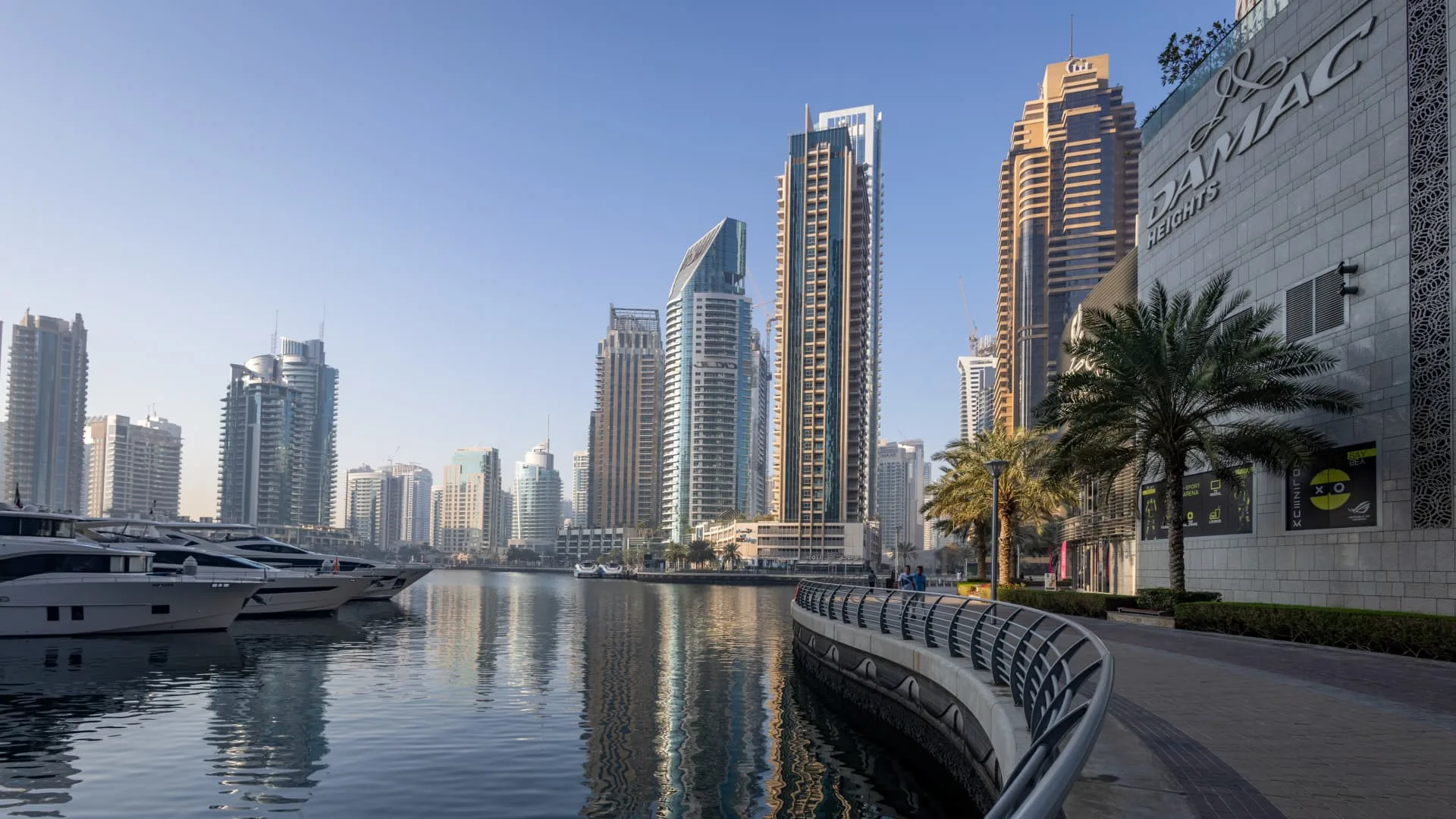
The United Arab Emirates is reportedly contemplating restricting Iran's access to substantial financial resources held within the Gulf nation, according to sources cited by the Wall Street Journal. This potential action arrives as Iran's economic stability faces increased strain, exacerbated by recent military confrontations involving the United States and Israel. The UAE's deliberations underscore the delicate balance it has maintained between its strategic alignment with the U.S. and its geographic proximity to Iran.
Emirati officials have communicated to their Iranian counterparts that the asset freeze is under consideration. However, a definitive decision, including the timing of such a move, remains pending. For years, Dubai has functioned as a critical financial artery for Iranian entities, facilitating the circumvention of international sanctions. This has allowed Iran to conduct international trade and funnel revenue into military programs and support for regional proxies, according to assessments from the Atlantic Council.
Financial Networks Under Scrutiny
A network of shell corporations, strategically located within Dubai's free trade zones, has been instrumental in obscuring the origin of Iranian oil and other commodities. Furthermore, informal currency exchange networks have facilitated the movement of funds across borders, bypassing conventional banking regulations. The United States has consistently urged the UAE to dismantle these clandestine networks. The U.S. Treasury has imposed sanctions on UAE-based entities, emphasizing that enforcement measures within the UAE have not adequately addressed the stated commitments.
Economic and Geopolitical Implications
Iran's recent military actions, involving the deployment of over 1,000 drones and missiles against targets within the UAE, have impacted critical infrastructure, including Dubai International Airport and prominent hotels, as well as residential and tourist areas. These attacks have heightened concerns within the expatriate business community and among international investors who have long viewed Dubai as a haven of stability in a turbulent region. While reaffirming a commitment to de-escalation and adherence to the UN Charter, the UAE is now evaluating potential countermeasures.
These measures may include targeted asset freezes of UAE-based shell companies and an intensified crackdown on local currency exchanges that serve as vital components of Iran's financial infrastructure. The situation remains fluid, with potential ramifications for regional stability and international commerce. Any move by the UAE to curtail Iranian access to its financial system could significantly impact Iran's ability to navigate existing sanctions and fund its regional activities. The international community is watching closely as the UAE navigates this complex geopolitical landscape.
Track markets in real-time
Empower your investment decisions with AI-powered analysis, technical indicators and real-time price data.
Join Our Telegram Channel
Get breaking market news, AI analysis and trading signals delivered instantly to your Telegram.
Join Channel