Is the US Dollar Set for a Rebound as Oil Prices Spike and Geopolitical Tensions Simmer?
The US Dollar reversed a four-day winning streak on Monday, showing signs of stabilization after a period of volatility. Market participants are closely assessing geopolitical developments in the Persian Gulf, particularly following reports of a US strike on Kharg Island, a significant Iranian oil outpost. This event, coupled with ongoing concerns about naval activity in the Strait of Hormuz, has introduced a degree of uncertainty into global markets, prompting a reassessment of the Greenback's recent strength.
Market Context
The Dollar's pullback comes after a period of steady appreciation. Data indicates that the US Dollar had been the strongest against the Canadian Dollar in the preceding trading sessions. However, the geopolitical tensions, coupled with the upcoming monetary policy decisions from the Federal Reserve (Fed) and the European Central Bank (ECB), have led traders to pause and re-evaluate their positions. The EUR/USD pair, which had touched seven-month lows on Friday, saw a modest rebound towards the 1.1500 level as the Greenback eased. This suggests that while geopolitical risks can be a catalyst for safe-haven flows into the USD, upcoming central bank actions are also heavily influencing currency pair dynamics.
Analysis & Drivers
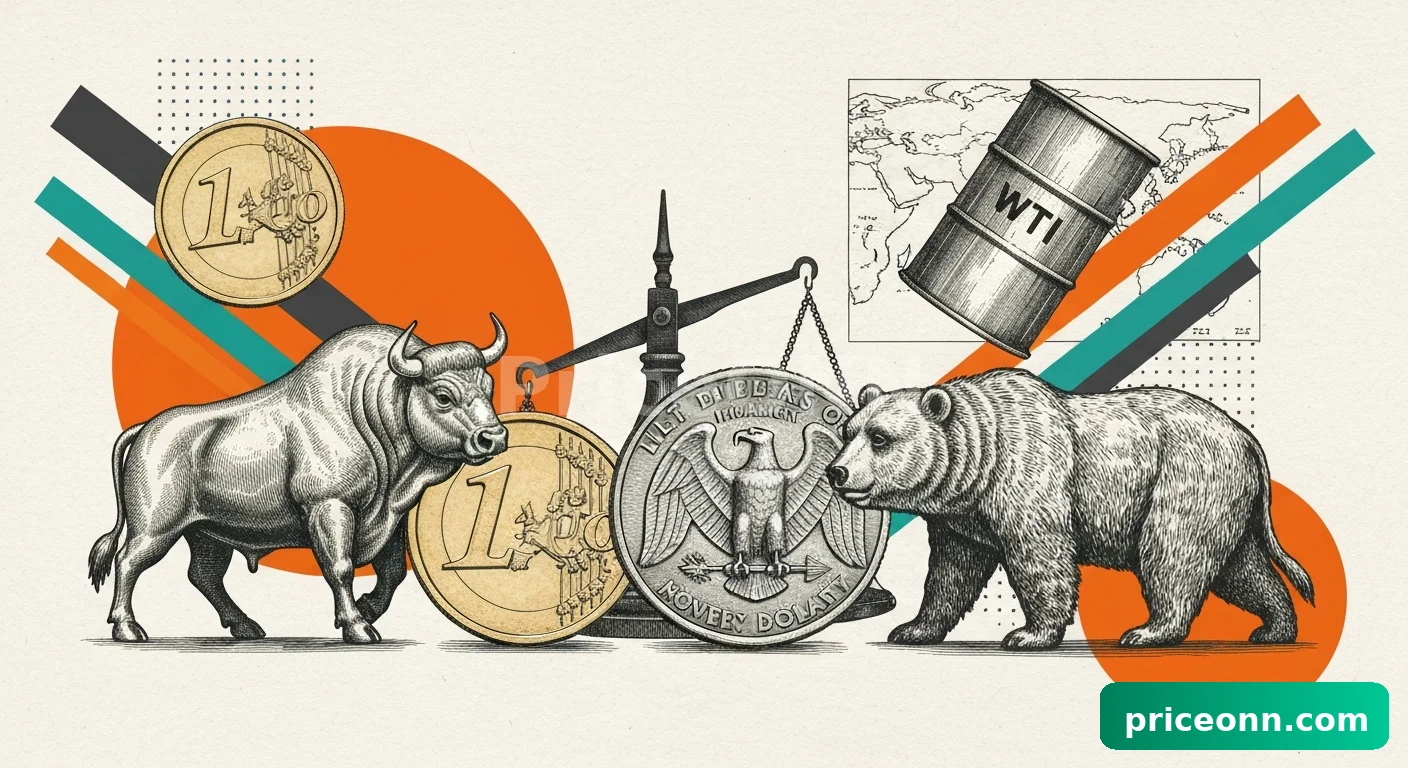
The primary driver for the recent Dollar weakness appears to be a combination of factors. Geopolitical instability in the Middle East, specifically the US action in Iran, has created a complex risk environment. While such events can sometimes bolster the Dollar as a safe-haven asset, the market's reaction has been more nuanced, with a focus shifting towards potential supply disruptions in oil markets. Crude oil prices, particularly West Texas Intermediate (WTI), are sensitive to these geopolitical events. Disruptions to supply routes, such as the Strait of Hormuz, can lead to price spikes, which in turn can impact global inflation expectations and central bank policy considerations.
Furthermore, the market is keenly awaiting the upcoming monetary policy announcements from the Federal Reserve and the ECB. Central banks' mandates typically revolve around price stability, often targeting an inflation rate of around 2%. When inflation rises above this target, central banks usually respond by increasing interest rates. Higher interest rates tend to attract foreign capital seeking better returns, thereby strengthening the domestic currency. Conversely, lower inflation or rising unemployment might prompt rate cuts, weighing on the currency. The interplay between geopolitical risk, oil price movements, and anticipated central bank actions creates a dynamic environment for currency traders.
Trader Implications
Traders should monitor several key levels and events. For the US Dollar Index (DXY), a sustained break below 99.50 could signal further downside. Key support levels for EUR/USD are seen around 1.1450 and 1.1400, while resistance lies at 1.1550 and 1.1600. The upcoming Fed and ECB meetings are critical junctures. Any indication of a more hawkish stance from the Fed could support the Dollar, while a dovish tone from the ECB might further pressure the Euro. Oil inventory reports from the API and EIA, typically released on Tuesdays and Wednesdays respectively, will also be crucial for gauging supply/demand dynamics and their potential impact on inflation expectations and the broader market sentiment. A significant draw in oil inventories could push WTI prices higher, potentially reinforcing the safe-haven appeal of the USD if geopolitical risks escalate.
Outlook
The immediate outlook for the US Dollar remains uncertain, contingent on the evolving geopolitical situation in the Middle East and the policy guidance from major central banks. While recent events have caused a temporary pullback, the Dollar's fundamental drivers, including monetary policy divergence and its role as a global reserve currency, could support a rebound. Traders should remain vigilant for shifts in market sentiment and be prepared for potential volatility surrounding the upcoming central bank communications. The interplay between oil prices, geopolitical risks, and monetary policy will likely dictate the near-term direction of major currency pairs.
Frequently Asked Questions
What is the current sentiment surrounding the US Dollar?
The US Dollar has experienced a pullback from recent gains as markets digest geopolitical developments in the Persian Gulf and anticipate central bank decisions. While it reversed a four-day streak, its future direction is closely watched.
How do rising oil prices impact the US Dollar?
Rising oil prices, especially due to geopolitical supply disruptions, can indirectly affect the USD. Higher energy costs can fuel inflation, potentially leading to interest rate hikes by the Federal Reserve, which is generally supportive of the Dollar. However, the immediate reaction can also involve risk-off sentiment impacting various assets.
What are the key levels to watch for EUR/USD?
Traders should monitor support levels for EUR/USD around 1.1450 and 1.1400. Resistance is observed near 1.1550 and 1.1600. A decisive move above these resistance levels could signal a more sustained upward correction for the pair.
Track markets in real-time
Empower your investment decisions with AI-powered analysis, technical indicators and real-time price data.
Join Our Telegram Channel
Get breaking market news, AI analysis and trading signals delivered instantly to your Telegram.
Join Channel