US Jobs Had Better Be Strong

Market Turmoil Persists
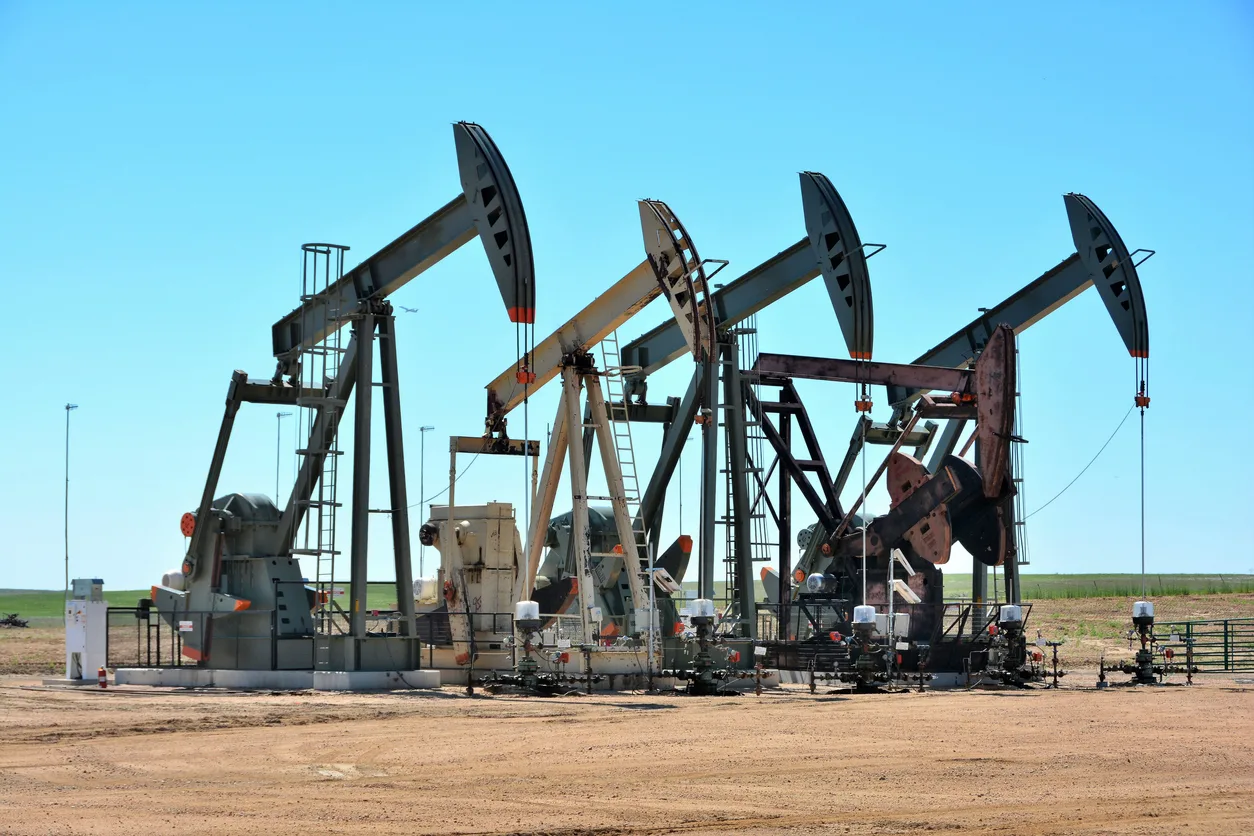
Thursday witnessed continued sell-offs across global markets, exacerbated by the ongoing tensions in the Middle East. The energy sector felt the immediate impact, with oil prices extending their upward trajectory. US crude oil briefly touched $83 per barrel, while Brent crude approached $85 per barrel. Sovereign yields also sustained their upward climb, fueled by anxieties that escalating oil prices might compel major central banks to adopt tighter monetary policies to combat a potentially significant inflationary surge.
In an attempt to mitigate the oil price surge, the US government considered various measures, including a potential release of strategic oil reserves and relaxing fuel-blending mandates. Other options included issuing licenses for Russian oil sales to India and even the US Treasury trading oil futures, a move that would be unprecedented. While government intervention in oil futures trading might curb speculation, doubts remain about its long-term effectiveness in capping prices, as the physical market ultimately dictates pricing.
Benchmarks like Brent crude and West Texas Intermediate are inherently linked to real-world supply and demand dynamics. Prolonged disruptions to oil flows, particularly through strategic chokepoints like the Strait of Hormuz, would inevitably drive refiners to bid up physical barrels, regardless of financial market interventions. Given the immense liquidity of oil futures markets on exchanges like CME Group and Intercontinental Exchange, any government intervention would likely be absorbed unless exceptionally large. There's a risk that traders might view such actions as temporary, buying the dip and limiting the overall impact on prices.
Energy Prices and Central Bank Policy
Oil prices resumed their ascent, and sovereign yields continued to rise. Asian indices showed signs of recovery, and US and European futures traded positively after a turbulent week. The MSCI World ex-US index experienced a significant downturn, while US indices displayed relative resilience to the geopolitical headlines, benefiting from the nation's status as an energy producer.
The US dollar experienced strong inflows as investors divested from European and Asian holdings, reverting to US dollar-denominated assets. The dollar naturally benefits from rising energy prices, as most energy trade is dollar-denominated, increasing demand and pushing its value higher. The interplay of rising energy costs, hawkish central bank expectations, elevated yields, and risk aversion is expected to persist as long as Middle East tensions impact oil and gas prices.
For central bank observers, the focus shifts back to inflation dynamics. The Federal Reserve, in particular, faces renewed pressure. Having recently prioritized labor market protection while tolerating inflation above its 2% target, the Fed now confronts the prospect of escalating price pressures. If inflation, already stubbornly above target, continues to rise, the Fed might reconsider the anticipated rate cuts previously priced into the market.
US Jobs Data in Focus
The US economy is projected to have added approximately 58,000 new nonfarm jobs, according to consensus estimates. Average hourly earnings are expected to remain near 3.7% year-on-year, a level still above what is comfortable for inflation to sustainably return to the 2% target. The unemployment rate is anticipated to hold steady around 4.3%.
Stronger-than-expected jobs data could positively influence market sentiment, while weaker figures could raise stagflation concerns and negatively impact US equities. Beyond geopolitical events, recent restrictions on advanced chip exports to foreign companies aim to control the spread of AI technologies and maintain US technological leadership, impacting companies like Nvidia and AMD.
This week's events have introduced significant geopolitical uncertainty into a market environment already grappling with concerns about Big Tech's AI investments, potential disruptions to business models and jobs, and stress in private credit markets. The immediate market response favored the US dollar and reversed the rotation trade away from the US. Gold's reaction was muted, while defense and energy stocks outperformed, mining stocks declined, and airline companies suffered.
Looking ahead, Middle East developments will likely remain influential. However, the initial shock may subside, leading to less pronounced market reactions. Energy prices will continue to play a vital role in shaping inflation and central bank policy expectations, thereby influencing global risk appetite. Many analysts suggest crude oil could approach $100 per barrel if the conflict intensifies, raising the prospect of tighter financial conditions and weakened risk appetite.
Track markets in real-time
Empower your investment decisions with AI-powered analysis, technical indicators and real-time price data.
Join Our Telegram Channel
Get breaking market news, AI analysis and trading signals delivered instantly to your Telegram.
Join Channel