
Why Are Oil Prices Surging 50% This Month and How It Affects Your Mail?


Market Context
Global oil prices have experienced a dramatic upswing in March, with significant geopolitical events acting as the primary catalyst. Brent crude futures for May delivery have surged by an astonishing 55% this month, positioning it for its largest monthly gain since 1998. U.S. benchmark oil prices have followed suit, climbing approximately 49% month-to-date. This aggressive price action is largely attributed to escalating geopolitical tensions and concerns over supply chain disruptions, particularly involving critical transit points like the Strait of Hormuz.
Analysis & Drivers
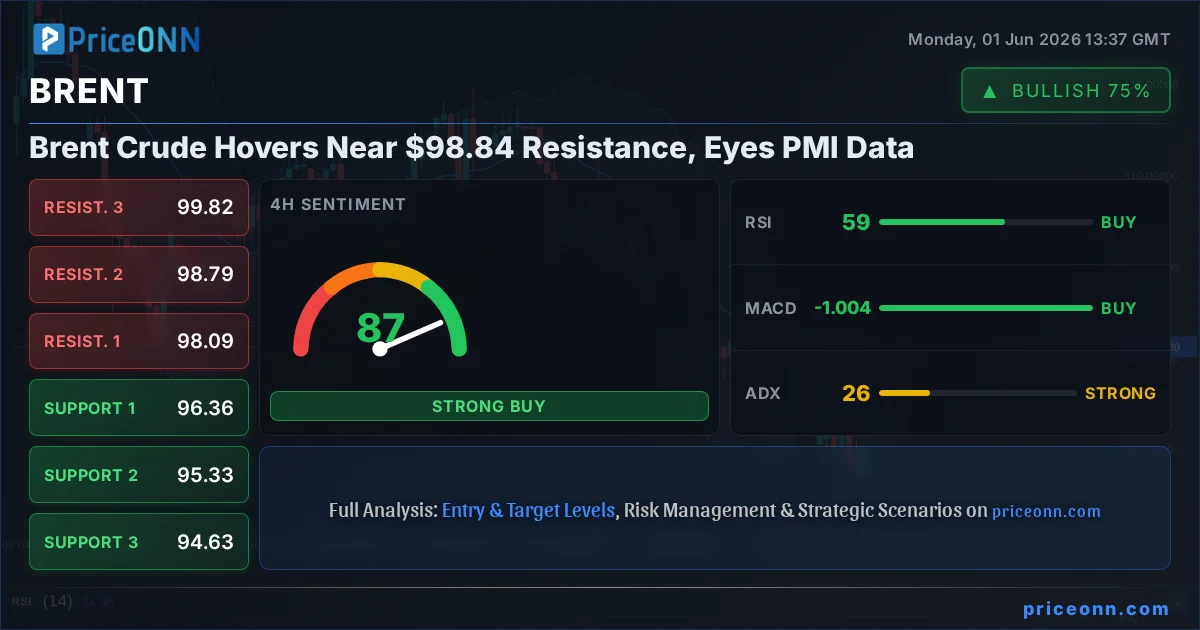
The current surge in crude oil prices is a direct consequence of heightened geopolitical instability. Reports indicate a specific conflict involving Iran has significantly impacted market sentiment and supply expectations. The potential for disruptions at the Strait of Hormuz, a crucial chokepoint for global oil transportation, is a persistent concern that amplifies price volatility. This situation is compelling businesses and organizations to reassess their operational costs, anticipating that elevated oil prices may become a sustained economic reality rather than a transient anomaly. This strategic shift means consumers will likely face a broader impact on their expenses beyond just fuel at the pump.
Industry data reveals how these rising input costs are beginning to translate into service price adjustments. The U.S. Postal Service (USPS) has announced plans to implement a temporary 8% surcharge on package and express mail deliveries. This proposed adjustment, contingent on regulatory approval, is anticipated to take effect in late April and could persist into early 2027. The USPS has stated that this measure is necessary to ensure financial flexibility and cover the actual costs of service provision, as required by federal mandates. The aviation sector is also grappling with these increased operational expenses, with major airlines beginning to factor these costs into their strategies.
Trader Implications
Traders are closely monitoring the evolving geopolitical landscape and its direct impact on oil supply. Key support levels for crude oil benchmarks are being tested as the market digests the ongoing supply concerns. The potential for further supply disruptions remains a significant upside risk for prices. Conversely, any de-escalation in geopolitical tensions or resolution of supply chain bottlenecks could trigger a sharp price correction. Market participants should pay close attention to inventory reports and statements from key energy-producing nations. The 8% surcharge announced by the USPS serves as a tangible indicator of how these energy costs are filtering into the broader economy, potentially influencing inflation expectations and central bank policy.
For traders, the current environment presents opportunities and risks across various asset classes. Energy sector equities may see increased volatility. Currency pairs could be influenced by the economic impact of higher oil prices on different nations. Those trading commodities should be aware of the significant price swings, with Brent crude futures showing a monthly gain of over 55% and WTI close behind. Key price levels to watch will be the recent highs for both benchmarks, as a sustained break above these could signal further upward momentum. Conversely, a failure to hold current levels might indicate profit-taking or a shift in market sentiment.
Outlook
The outlook for oil prices remains heavily dependent on geopolitical developments and the stability of global supply routes. While the immediate pressure points suggest continued price strength, any significant shifts in international relations or supply chain resilience could alter the trajectory. The sustained elevated cost of crude oil is likely to continue influencing pricing across various consumer services, potentially contributing to broader inflationary pressures. Traders and consumers alike will need to remain vigilant, as the economic ramifications of this oil price shock are still unfolding and are expected to persist through the coming months.
Frequently Asked Questions
What is causing the significant rise in oil prices in March?
The primary driver for the over 55% surge in Brent crude futures this March is escalating geopolitical tensions, particularly concerning Iran and potential disruptions at the Strait of Hormuz. This has led to significant concerns about global oil supply, pushing prices higher.
How will the increase in oil prices affect consumers beyond gasoline costs?
Consumers will likely face higher costs for services that rely heavily on transportation and logistics. For example, the USPS has proposed an 8% surcharge on package deliveries, directly reflecting increased operational expenses due to higher fuel costs.
What are the key indicators traders should watch for oil price movements?
Traders should closely monitor geopolitical developments affecting supply routes like the Strait of Hormuz, as well as weekly oil inventory reports. Key technical levels, such as recent price highs for Brent and WTI, will be crucial in determining potential further price direction, with Brent already up over 55% this month.
Track markets in real-time
Empower your investment decisions with AI-powered analysis, technical indicators and real-time price data.
Join Our Telegram Channel
Get breaking market news, AI analysis and trading signals delivered instantly to your Telegram.
Join Channel PriceONN News
US consumer confidence fell slightly to 93.1 in May, a modest decline from April's 93.8, driven by persistent inflation linked to Middle Eastern geopolitical events. While beating expectations, the drop signals growing household pressure.
PriceONN News
A robust US employment report showing stronger-than-expected job gains and stable unemployment initially lifted stock markets, but lingering geopolitical risks are tempering broader investor enthusiasm.
PriceONN News
Long-term unemployment can have ramifications on financial, emotional and family health that linger even after reentry into the workforce.
PriceONN News
The upcoming U.S. employment report for May is poised to reveal a labor market that is stabilizing but not accelerating, potentially influencing Federal Reserve policy. Traders are closely watching key inflation indicators from ISM surveys and Eurozone CPI data.
PriceONN News
Upcoming U.S. employment data for May is expected to reveal a labor market that is no longer deteriorating but also failing to show significant improvement, with nonfarm payrolls projected to rise by 105,000 and the unemployment rate ticking up to 4.4%.
PriceONN News
Upcoming U.S. employment data is poised to reveal a labor market showing signs of stabilization rather than robust growth, potentially influencing Federal Reserve policy. Traders are closely watching key inflation indicators within the ISM surveys.
PriceONN News
Markets are closely watching Friday's U.S. employment report for May, with expectations of 105,000 new jobs and a 4.4% unemployment rate, which could indicate a labor market not deteriorating but also not significantly improving.
PriceONN News
Canadian headline inflation rose to 2.8% in April, primarily driven by gasoline prices, yet core inflation metrics showed surprising stability, offering the Bank of Canada room for a patient monetary policy stance.
PriceONN News
Canadian headline inflation rose to 2.8% in April, largely driven by gasoline prices, but core measures remain stable, suggesting the Bank of Canada has room to maintain a patient stance on interest rates.
PriceONN News
New York's manufacturing sector experienced a significant boost in May, with the Empire State Manufacturing Index jumping to 19.6, nearly three times the expected consensus. This marks the strongest reading since April 2022, signaling a robust expansion in regional industrial activity.
PriceONN News
US inflation is projected to rise modestly in April, with headline CPI approaching 3.8% year-over-year, driven by escalating energy costs impacting food and services, even as shelter inflation cools. This data will be crucial for upcoming Federal Reserve policy decisions.
PriceONN News
US inflation data for April is anticipated to show a modest uptick, with headline CPI potentially reaching 3.8% year-over-year. This rise is attributed to elevated energy prices impacting food and services, even as shelter costs continue to moderate. Retail sales are also expected to grow, though primarily driven by price increases rather than volume.