Will Asia's LNG Supply Crisis Trigger a Price Spike?
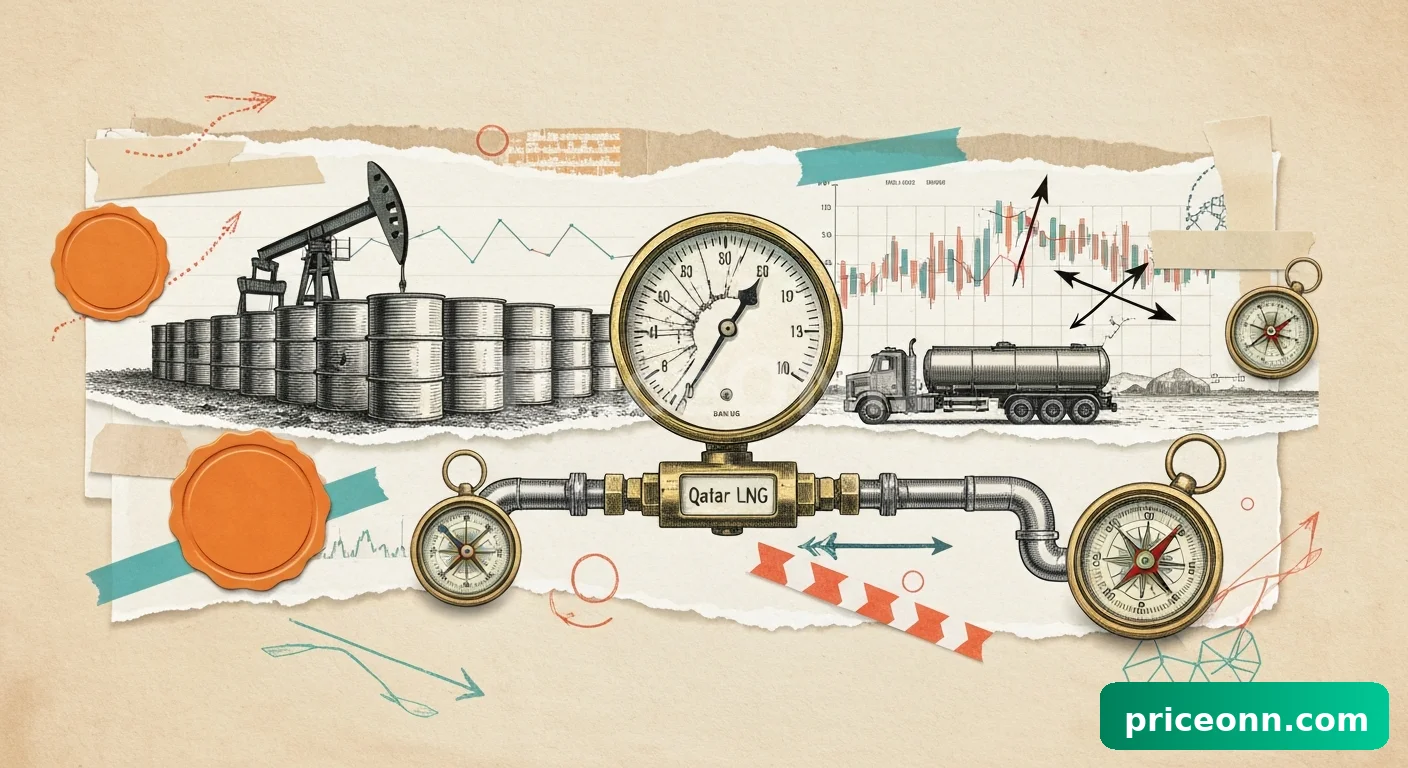
Liquefied Natural Gas (LNG) markets in Asia are facing a critical test as disruptions in the Middle East threaten to choke off supply. The shutdown of Qatar's Ras Laffan LNG complex, coupled with ongoing Strait of Hormuz traffic problems, has sent shockwaves through the region, which relies on Qatar and the UAE for as much as 90% of its LNG imports.
Market Context
The crisis began on March 2nd when Iranian drone strikes hit facilities at Ras Laffan Industrial City and Mesaieed Industrial City. QatarEnergy declared force majeure, ceasing LNG production completely. This triggered similar declarations from commodity traders, further compounding the supply shortage for Asian clients. The disruption has forced Asian buyers into a frantic search for alternative LNG sources, with U.S. cargoes initially bound for Europe now being redirected to Asia. At least nine U.S. LNG shipments have been rerouted, a figure expected to climb as Asian gas prices offer more attractive premiums.
Analysis & Drivers
The shutdown of the Ras Laffan complex is the primary driver of this crisis. Qatar's energy minister has warned that restarting operations could take "weeks to months," even if hostilities cease immediately. Industry analysts estimate the disruption could last a minimum of four to six weeks. This prolonged outage has amplified concerns about Asia's energy security, particularly for countries heavily reliant on Qatari LNG. The rerouting of U.S. LNG cargoes highlights the interconnectedness of global energy markets, and the willingness of suppliers to shift resources to capture higher prices. The situation is further complicated by geopolitical tensions in the Strait of Hormuz, a critical transit route for energy shipments.
Trader Implications
Traders should closely monitor the TTF (Title Transfer Facility) and JKM (Japan Korea Marker) price spreads. A widening spread between European and Asian LNG prices will incentivize further cargo diversions to Asia. Key levels to watch include:
- JKM (Japan Korea Marker): A sustained break above $15/MMBtu could signal further upside.
- TTF (Title Transfer Facility): Continued weakness below $8/MMBtu could make Europe a less attractive destination for LNG cargoes.
Risk factors include the duration of the Ras Laffan shutdown, potential for further geopolitical escalation, and the ability of alternative suppliers to meet Asian demand. Traders should also pay attention to weather forecasts in key Asian consuming regions, as colder temperatures could exacerbate demand and further tighten the market.
Outlook
The near-term outlook for Asian LNG markets remains uncertain. The duration of the Qatari outage will be the key determinant of price direction. Expect continued volatility as buyers scramble to secure alternative supplies. The situation underscores the importance of diversifying energy sources and building robust supply chains to mitigate future disruptions. Geopolitical risks will likely remain elevated, adding further complexity to the market.
Frequently Asked Questions
How long is Qatar's Ras Laffan LNG complex expected to be shut down?
Qatar's energy minister has stated that restarting operations at Ras Laffan could take "weeks to months." Industry analysts estimate a minimum disruption of four to six weeks, but the exact timeline remains uncertain.
What alternative LNG sources are available to Asian buyers?
Asian buyers are increasingly turning to U.S. LNG cargoes, with at least nine shipments already rerouted from Europe. Australia and other LNG producers in the Pacific region could also increase their exports to Asia to fill the supply gap.
What is the potential impact on LNG prices in Asia?
The supply disruption could lead to a price spike in Asian LNG markets, particularly if the Qatari outage is prolonged. A sustained break above $15/MMBtu for the JKM could signal further upside pressure.
Track markets in real-time
Empower your investment decisions with AI-powered analysis, technical indicators and real-time price data.
Join Our Telegram Channel
Get breaking market news, AI analysis and trading signals delivered instantly to your Telegram.
Join Channel