Will Middle East Tensions Push EUR/USD Below 1.14?

The EUR/USD pair is trading defensively, hovering around the 1.1430 level in early Asian trading. Escalating geopolitical tensions in the Middle East are fueling demand for safe-haven assets, potentially limiting the currency pair's upward momentum.
Market Context
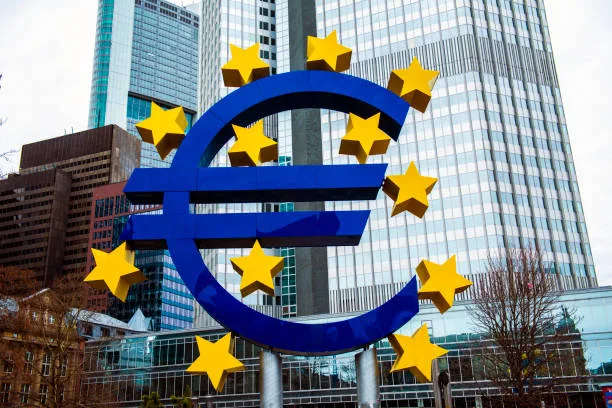
The Euro is a major global currency, second only to the U.S. dollar in terms of trading volume. As the currency of the Eurozone, comprised of 20 European Union countries, the Euro sees an average daily turnover exceeding $2.2 trillion, accounting for 31% of all foreign exchange transactions. The EUR/USD pair is the most actively traded, representing approximately 30% of all forex transactions. Recent market activity reflects a cautious sentiment as investors monitor developments in the Middle East.
Analysis & Drivers
Geopolitical instability often leads to increased demand for safe-haven currencies, such as the U.S. dollar, putting downward pressure on riskier assets like the Euro. The European Central Bank's (ECB) monetary policy plays a crucial role in the Euro's valuation. The ECB, tasked with maintaining price stability, primarily uses interest rate adjustments to manage inflation and stimulate economic growth. Higher interest rates, or expectations thereof, typically support the Euro, while lower rates can weaken it. Traders closely watch Eurozone inflation data, particularly the Harmonized Index of Consumer Prices (HICP). If inflation exceeds the ECB's 2% target, the central bank may raise interest rates, potentially boosting the Euro.
Trader Implications
Traders should closely monitor developments in the Middle East, as further escalation could intensify safe-haven flows and drive EUR/USD lower. Key support levels to watch include 1.1400 and 1.1350. A break below these levels could signal further downside potential. Conversely, easing tensions and positive economic data from the Eurozone could provide some support for the pair. Consider these factors:
- Geopolitical Risk: Heightened tensions favor safe-haven assets.
- ECB Policy: Monitor statements and potential rate adjustments.
- Economic Data: Key releases like GDP and PMI data can influence the Euro.
Traders should also be aware that relatively high interest rates compared to other regions make the Eurozone attractive for global investors. This dynamic can offset some of the negative pressure from geopolitical events.
Outlook
The near-term outlook for EUR/USD remains uncertain, heavily influenced by geopolitical events and the ECB's monetary policy stance. Upcoming Eurozone economic data releases will provide further clues about the currency's trajectory. Traders should remain vigilant and adjust their strategies accordingly, focusing on risk management and potential breakout opportunities.
Frequently Asked Questions
What is the ECB's inflation target, and how does it affect the Euro?
The ECB aims to maintain inflation close to 2%. If inflation rises above this target, the ECB may raise interest rates, which typically strengthens the Euro.
What are the key support levels to watch for EUR/USD?
Key support levels for EUR/USD are around 1.1400 and 1.1350. A break below these levels could indicate further downside pressure.
How will Middle East tensions affect the EUR/USD pair in the coming days?
Increased tensions will likely drive safe-haven demand for the U.S. dollar, potentially pushing EUR/USD lower. Traders should monitor geopolitical developments closely for shifts in market sentiment.
Track markets in real-time
Empower your investment decisions with AI-powered analysis, technical indicators and real-time price data.
Join Our Telegram Channel
Get breaking market news, AI analysis and trading signals delivered instantly to your Telegram.
Join Channel