Gold breaks 5,000 as “Safe Haven Paradox” returns, 4,815 now key
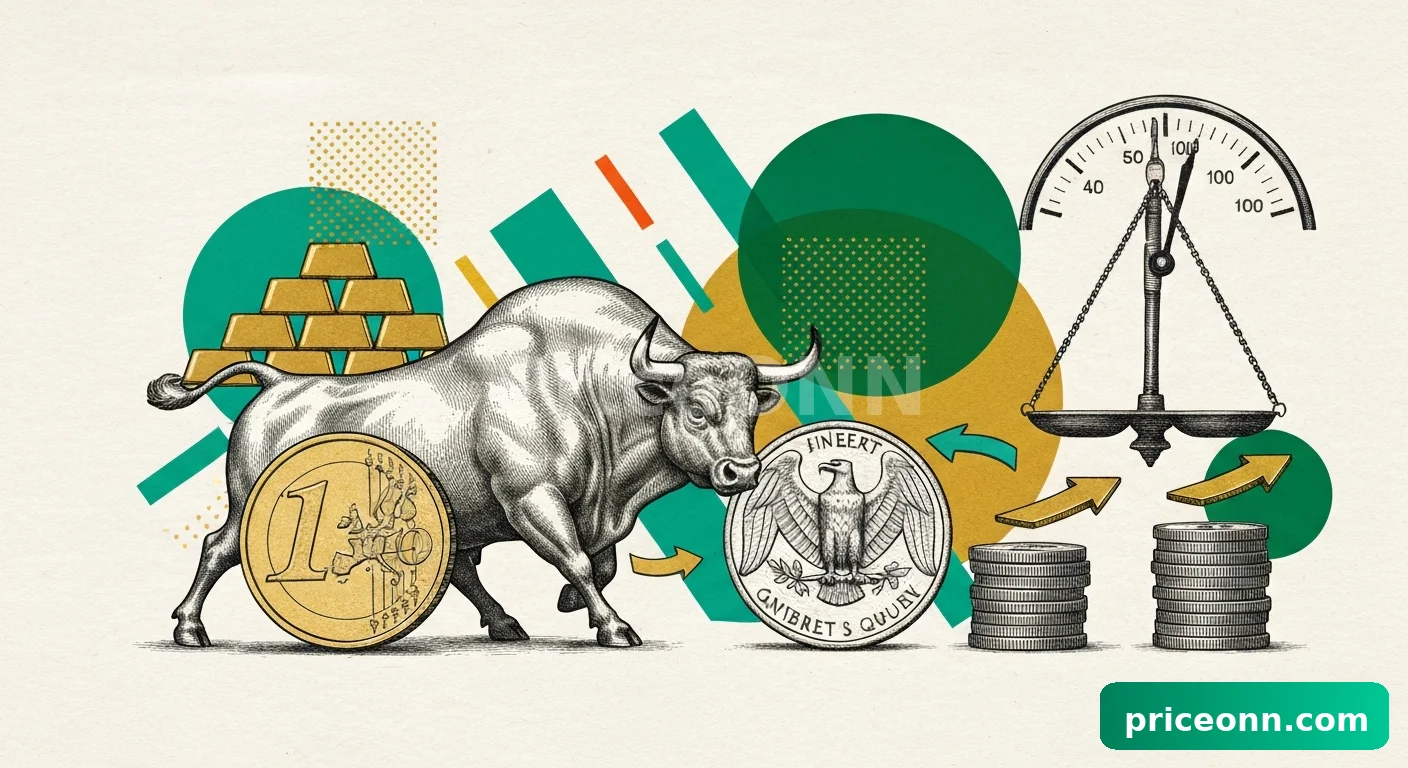
Gold's Safe Haven Status Questioned
The price of gold has experienced a notable downturn, slipping below the key psychological level of 5,000 during Asian trading hours. This decline highlights a peculiar market dynamic in 2026: traditional safe-haven assets like gold are failing to gain traction despite escalating geopolitical tensions. Specifically, the intensifying conflict involving the U.S. Israel, and Iran in the Middle East has not translated into increased demand for the precious metal.
Instead, investors are showing a preference for the U.S. Dollar, leading to what some analysts are calling a "Safe Haven Paradox." This shift is largely attributed to concerns about rising energy prices. With Brent crude oil prices remaining near $100 a barrel, driven by instability across Middle Eastern supply routes, the dominant market focus has pivoted from geopolitical risk to the potential inflationary consequences of higher energy costs.
Elevated energy costs pose a risk of persistent inflation, compelling investors to reassess the outlook for monetary policy. The market is rapidly reducing expectations for Federal Reserve rate cuts in 2026. There is even growing speculation that other major central banks may need to maintain tighter monetary policies to combat inflation.
This adjustment has driven Treasury yields upward, bolstering the Dollar's strength across the board. Gold, as a non-yielding asset, becomes less appealing in a rising interest rate environment. Simultaneously, the Dollar benefits from both higher yields and its standing as the world's most liquid safe-haven currency.
Technical Outlook for Gold
From a technical standpoint, gold's recovery to 5,238.55 last week demonstrated some unexpected strength. However, the overall structure of gold's correction remains intact. The decline from 5,419.02 is seen as the third phase of a corrective pattern that originated from the peak at 5,598.38.
The break below the support level of 4996.03 signals a resumption of this downward trend. The next target is the 100% projection of the move from 5,419.02 to 4,996.03, measured from 5,238.55, which lands at 4,815.55. Traders should closely monitor this level in the near term. A decisive break below it could accelerate the decline towards the 161.8% projection at 4,554.13.
Looking further ahead, gold is currently correcting the broader uptrend that began from the 2022 low of 1,614.60. A deeper fall towards the 4,000 region is plausible. This area sits slightly below the 38.2% retracement level of the move from 1,614.60 to 5,598.38, which is at 4,076.57, and also near the 55-week Exponential Moving Average (EMA), currently at 4,005.22. This zone is likely to attract long-term buyers and could potentially serve as the base for the next bullish cycle in the precious metal.
The Bigger Picture for Gold Investors
What does this unusual market behavior mean for investors? The current environment presents both risks and opportunities. The primary risk is that gold could continue to underperform if inflation remains elevated and central banks maintain hawkish monetary policies. Conversely, a sharper-than-expected economic slowdown or an escalation of geopolitical tensions could reignite demand for gold as a safe haven.
Several assets are likely to be affected by gold's performance. A stronger Dollar, driven by higher yields and safe-haven demand, could negatively impact other currencies, particularly emerging market currencies. It could also put pressure on commodities priced in Dollars, such as oil and copper. Additionally, rising Treasury yields could weigh on equity valuations, especially for growth stocks that are sensitive to interest rate changes.
Key levels to watch include the 4,815 support for gold, as well as the $100 per barrel level for Brent crude. Investors should also monitor inflation data and central bank communications closely for clues about the future direction of monetary policy. Traders should also keep an eye on the DXY, USD/CAD, and FTSE 100.
Ultimately, the outlook for gold will depend on the interplay of several factors, including inflation, interest rates, geopolitical risks, and economic growth. Investors need to remain flexible and adapt their strategies as the market evolves.
Track markets in real-time
Empower your investment decisions with AI-powered analysis, technical indicators and real-time price data.
Join Our Telegram Channel
Get breaking market news, AI analysis and trading signals delivered instantly to your Telegram.
Join Channel