
Will Tokenized Stocks Create Two Separate Markets for US Equities?

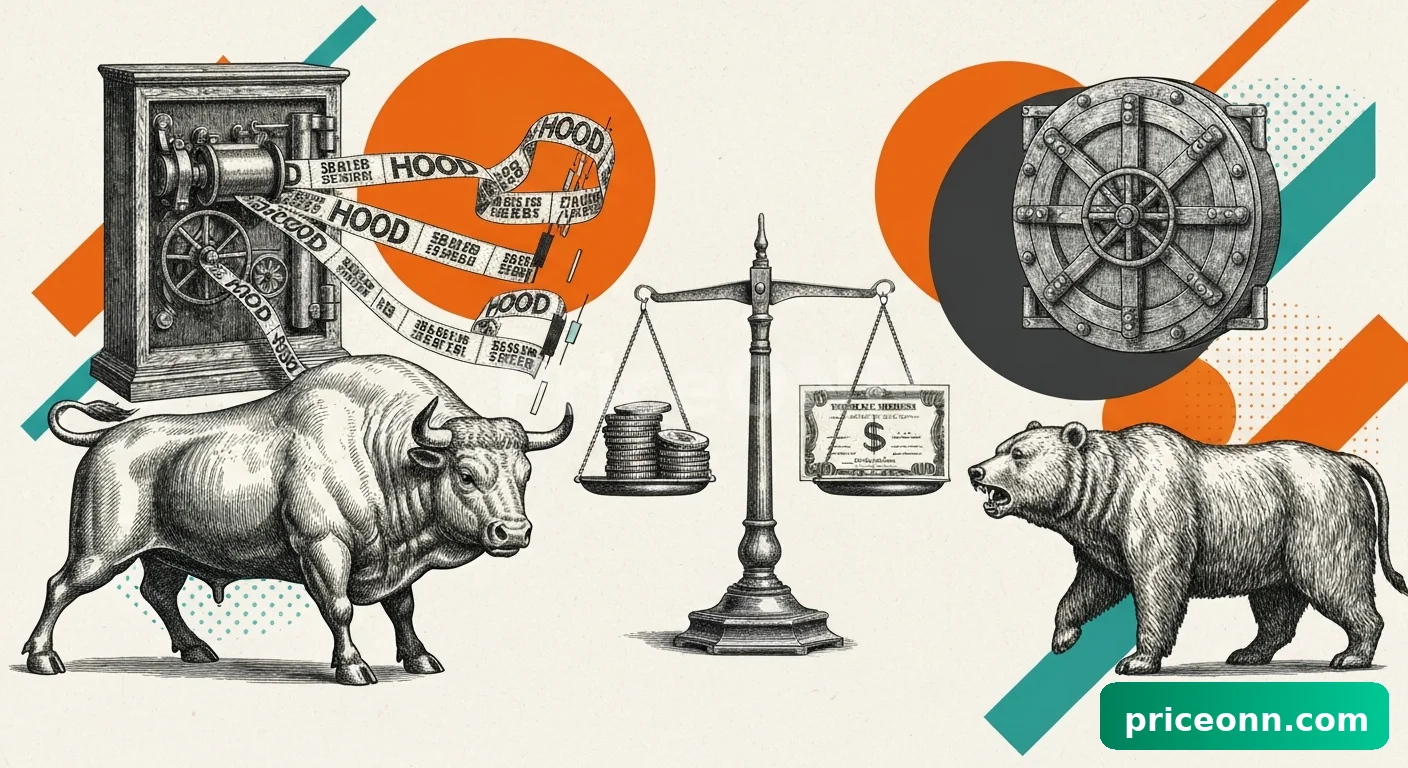
The burgeoning world of tokenized securities, while heralded for its potential to streamline transactions, may inadvertently fracture the very markets it aims to improve. Industry analysts are voicing concerns that the integration of tokenized stocks could lead to a split trading landscape, potentially creating divergent price points and undermining market unity.
Market Fragmentation Risks Emerge
The core issue revolves around the possibility of the same company’s shares trading simultaneously on traditional U.S. exchanges and on decentralized platforms that operate outside established regulatory frameworks. This dual-market scenario, if it materializes, could introduce significant challenges for price discovery and overall market integrity. Analysts note that exchanges are actively exploring the integration of tokenized assets into their Alternative Trading Systems (ATS), which are designed to operate outside the conventional exchange structure.
One particular entity is reportedly pursuing an aggressive strategy, enhancing post-trade settlement, facilitating token issuance, and supporting trading on international venues. This focus on offshore, blockchain-native platforms is a key area of concern, as it could establish parallel trading universes for identical underlying assets. While these tokenized instruments would be linked to real-world equity, their operation under different rules could lead to disparities in valuation and trading dynamics compared to traditional shares.
Analysis of Potential Impacts
The implications for investors are substantial. The prospect of a single stock trading at different prices across various platforms introduces a new layer of complexity. This fragmentation could obscure market movements, making it more difficult to ascertain true market value and increasing the risk of arbitrage opportunities that could disproportionately benefit sophisticated traders while leaving retail investors exposed.
Furthermore, the regulatory landscape for tokenized assets is still evolving. Divergent rules between on-shore and off-shore platforms could create compliance challenges and introduce uncertainty. The efficiency gains promised by blockchain technology might be overshadowed by the operational and systemic risks associated with a fractured market structure. Market data suggests that the current focus on innovation in this space necessitates a careful consideration of these potential downsides to ensure market stability.
Trader Implications and What to Watch
Traders should be vigilant about the developing narrative around tokenized equities. Key factors to monitor include:
- Regulatory Clarity: Watch for pronouncements from major financial regulators regarding the oversight of tokenized assets and trading platforms.
- Platform Developments: Track the progress of exchanges and technology providers in integrating tokenized securities into existing infrastructure and the emergence of new, decentralized trading venues.
- Price Divergence: Be alert to any signs of significant price discrepancies between traditional and tokenized versions of the same stock, which could signal arbitrage opportunities or underlying market instability.
The potential for a bifurcated market means traders may need to adapt their strategies to account for different liquidity pools and execution venues. Understanding the specific rules and risks associated with each trading environment will be crucial. For now, the market appears to be in a transitional phase, with significant uncertainty surrounding the ultimate structure of tokenized equity trading.
Outlook for Tokenized Trading
The trajectory of tokenized stock trading remains a significant point of discussion. While the technology offers compelling benefits in terms of speed and cost reduction, the market structure concerns highlighted by analysts suggest a cautious approach is warranted. The coming months will likely see further exploration and experimentation, but the risk of market fragmentation looms as a significant challenge that needs to be addressed by all stakeholders to ensure a cohesive and reliable trading ecosystem for the future.
Frequently Asked Questions
What is the primary concern regarding tokenized stock trading?
The main concern is that tokenized stocks could lead to market fragmentation, where the same asset trades on both traditional exchanges and decentralized platforms, potentially causing price gaps and affecting market integrity.
How might tokenization affect stock prices?
If tokenized stocks trade on separate platforms with different rules, it could lead to divergent prices for the same company's shares, making it harder for investors to track true market value.
What should traders watch for in the tokenized stock market?
Traders should monitor regulatory developments, the progress of new trading platforms, and any significant price differences between traditional and tokenized versions of stocks. Adapting strategies to different trading environments will be key.
Track markets in real-time
Empower your investment decisions with AI-powered analysis, technical indicators and real-time price data.
Join Our Telegram Channel
Get breaking market news, AI analysis and trading signals delivered instantly to your Telegram.
Join Channel

PriceONN