Zimbabwe's Lithium Export Ban Sends Battery Supply Chains Reeling
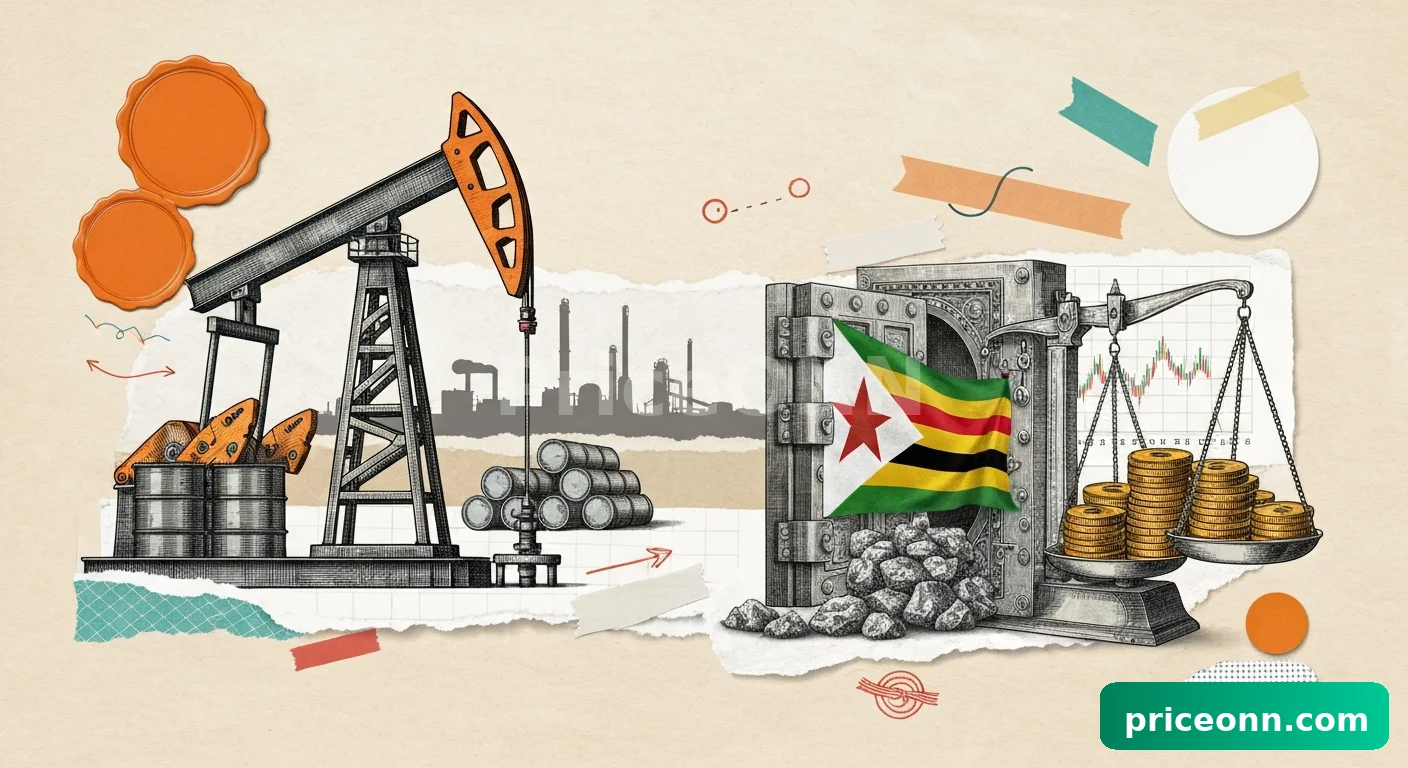
Zimbabwe's unexpected ban on raw lithium exports, effective February 25th, has sent ripples through global battery supply chains. The decision, intended to incentivize local processing and protect national resources, has triggered immediate reactions and raised concerns about supply vulnerabilities, especially for major consumers like China.
Market Context
The ban, originally planned for January 2027, was fast-tracked to ensure that more of the value-added processes related to lithium refining occur within Zimbabwe's borders. As a leading lithium producer in Africa, with substantial reserves, Zimbabwe's policy shift carries significant weight. The nation's decision underscores a broader debate among resource-rich African nations: whether to prioritize immediate revenue through raw material exports or invest in developing local industries.
The immediate aftermath of the ban saw a rush to export raw lithium, with reports of illicit stockpiling in neighboring countries. This surge highlights the difficulties in enforcing resource protection policies and the allure of short-term profits. The ban directly impacts Chinese battery manufacturers, who depend on Zimbabwean lithium for a significant portion of their supply.
Analysis & Drivers
Several factors contributed to Zimbabwe's decision. The government aims to capture more of the economic benefits associated with lithium processing, creating jobs and boosting the local economy. There's also a desire to assert greater control over its natural resources and prevent exploitation by foreign entities. The move reflects a growing trend among resource-rich nations to prioritize domestic value addition.
However, the ban also introduces challenges. Enforcing the export restrictions effectively is crucial, and preventing illicit activities like stockpiling will require robust monitoring and international cooperation. The ban could also lead to higher costs for battery manufacturers, potentially impacting the competitiveness of electric vehicles and other lithium-ion battery-powered devices.
Trader Implications
Traders should closely monitor the evolving situation in Zimbabwe and its impact on lithium prices. Here are some key considerations:
- Lithium Prices: Expect potential price volatility as the market adjusts to the supply disruption.
- Battery Manufacturers: Track the responses of major battery manufacturers, particularly those in China, as they seek alternative lithium sources.
- Mining Companies: Monitor the performance of mining companies operating in Zimbabwe, as their operations will be directly affected by the ban.
- Policy Developments: Stay informed about any policy changes or clarifications from the Zimbabwean government regarding the ban.
Traders should also be aware of the risks associated with investing in companies reliant on lithium, given the uncertainty surrounding future supply. Key levels to watch for lithium carbonate futures contracts on the Shanghai Futures Exchange are CNY 100,000 as potential support and CNY 120,000 as potential resistance.
The ban also presents opportunities for companies involved in lithium processing and refining outside of Zimbabwe, as they could see increased demand for their services.
Outlook
Looking ahead, Zimbabwe's lithium export ban is likely to remain in place for the foreseeable future as the government focuses on developing its domestic processing capabilities. The success of this policy will depend on effective enforcement, attracting investment in local processing facilities, and maintaining stable relations with key trading partners. The global battery supply chain will continue to adapt, seeking diversification and alternative sources of lithium to mitigate the impact of the ban.
Track markets in real-time
Empower your investment decisions with AI-powered analysis, technical indicators and real-time price data.