Zimbabwe’s Surprise Lithium Ban Scrambles Global Battery Supply Chains
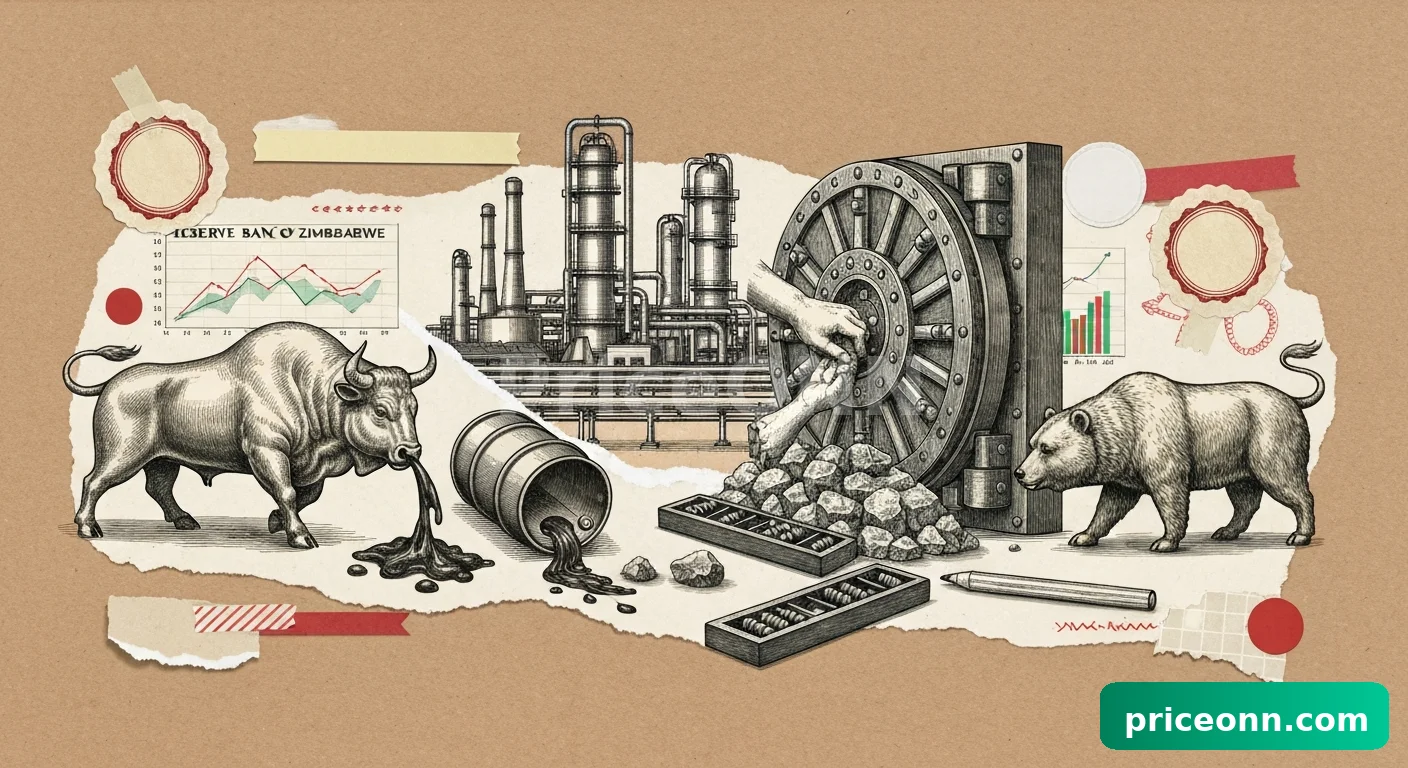
Sudden Stop: Zimbabwe's Lithium Export Ban
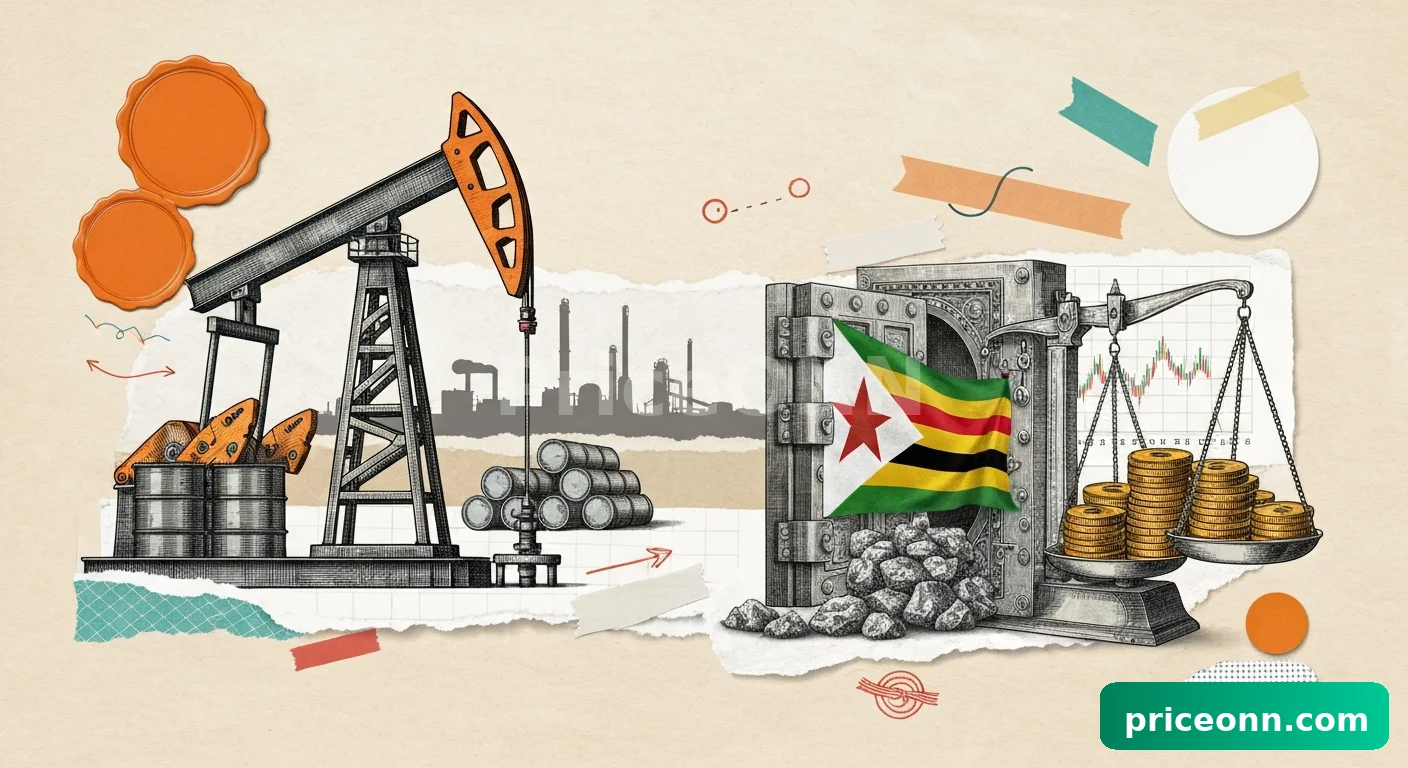
In a move that reverberated across the globe, Zimbabwe abruptly banned the export of raw lithium. Effective February 25, the directive aims to protect the nation's resources and encourage local processing, a decision with far-reaching consequences both at home and abroad.
Originally slated for January 2027, the export prohibition was accelerated to incentivize domestic lithium refining, keeping value-added profits within Zimbabwe's borders. As Africa's leading lithium producer, and home to some of the world's largest proven reserves according to the US Geological Survey (USGS), Zimbabwe's decision carries significant weight. The ban underscores the tension between accepting foreign investment and fostering homegrown industries in resource-rich African nations.
Africa holds a wealth of critical minerals for the clean energy transition. However, this presents a dilemma for its leaders: should they prioritize immediate economic gains by exporting raw materials, or invest in building local value chains, a more complex and costly undertaking?
Unintended Consequences and Immediate Aftermath
The ban triggered an immediate scramble to extract and export raw lithium before the deadline. "Regrettably, in the period following that announcement, we witnessed an unprecedented and unacceptable scramble," stated Nick Mangwana, Zimbabwe's information ministry representative, highlighting the rush to exploit resources before the ban took full effect.
Reports also suggest that substantial quantities of lithium have been illicitly stockpiled in neighboring countries, a practice condemned as a plundering of Zimbabwe's economic future. This situation highlights the challenges in enforcing resource protection policies and the incentives for short-term exploitation.
This action has direct implications for Chinese battery manufacturers, who rely heavily on Zimbabwean lithium. The move constitutes a supply shock for China, which dominates global lithium processing and battery manufacturing. Despite its midstream dominance, China depends on imported spodumene concentrate, primarily from Africa and Australia, to sustain its refining capacity.
China's Expanding Footprint and Africa's Energy Future
China's strategic focus on securing clean energy supply chains in emerging economies has been a long-term play. Access to primary energy manufacturing materials in developing nations is central to China's energy security strategy, aiming to position itself as the global energy market's center. This expansion has raised concerns about Africa's own energy needs.
A report from the China Global South Project (CGSP) indicates that Chinese companies and financiers have been involved in 84 energy projects across the continent between 2020 and 2024, with a combined capacity exceeding 32 gigawatts. While this could power millions of African homes, exporting this energy potential to China poses a challenge to Africa's development. Approximately 600 million people in Africa lack access to electricity, and demand is projected to triple in the next decade.
What This Means for the Market
Zimbabwe's lithium export ban introduces significant uncertainty into the global battery supply chain, particularly impacting electric vehicle (EV) manufacturers and lithium-ion battery producers. For investors, this situation underscores the growing trend of resource nationalism and the potential for supply disruptions. The ban could lead to increased lithium prices in the short term, benefiting lithium producers outside of Zimbabwe. However, it also raises concerns about the long-term stability of supply and the need for diversification.
Assets to Watch:
- Lithium prices: Monitor benchmark lithium carbonate and hydroxide prices for volatility.
- Chinese battery manufacturers: Track the stock performance of major Chinese battery companies, as their supply chains will be directly affected.
- Alternative lithium producers: Investigate companies with lithium mining operations outside of Africa, as they may benefit from increased demand.
- Electric vehicle stocks: Assess the impact on EV manufacturers, particularly those heavily reliant on Chinese battery suppliers.
Investors should closely monitor policy developments in other resource-rich nations, as similar resource protection measures could be implemented elsewhere. Key risks include supply chain disruptions, price volatility, and geopolitical tensions. Opportunities exist for companies that can secure diversified and reliable lithium supplies.
Track markets in real-time
Empower your investment decisions with AI-powered analysis, technical indicators and real-time price data.