DXY Eyes 101 as Dollar Index Climbs to $100.07
The Dollar Index (DXY) has surged to $100.07, driven by geopolitical tensions and rising oil prices. Is this a breakout or a temporary spike?
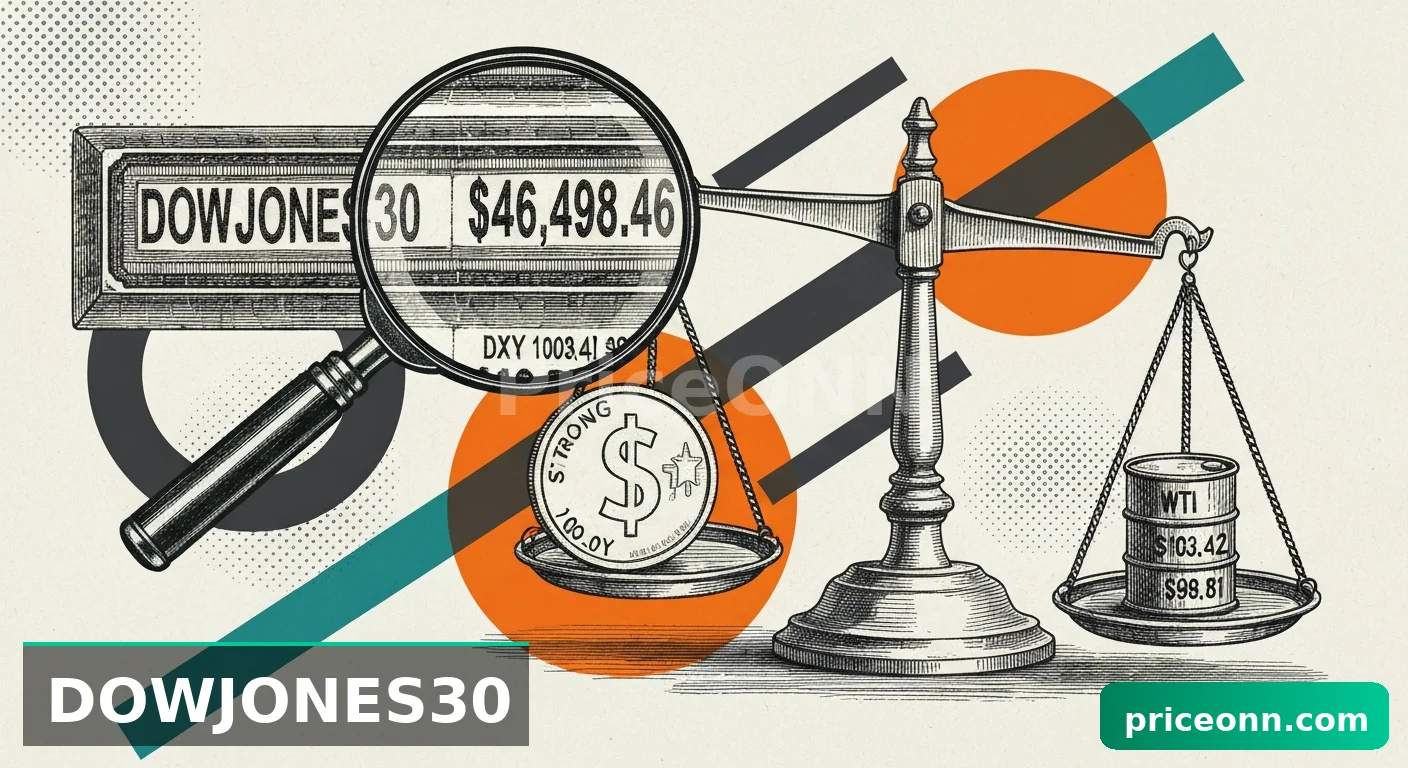
Amid escalating geopolitical tensions and a surge in oil prices, the Dollar Index (DXY) has broken above the psychological $100 barrier, currently trading at $100.07 as of last Friday's close. This move reflects a broader flight to safety, with investors seeking refuge in the greenback as global uncertainty intensifies. But is this rally sustainable, or will economic data and central bank policy shifts bring the dollar back down to earth?
- DXY surged to $100.07 amid geopolitical tensions and rising oil prices, indicating safe-haven demand.
- RSI at 71.27 on the 4-hour chart signals overbought conditions, suggesting a potential pullback.
- Key support lies at 99.48, while resistance is at 100.08, defining the immediate trading range.
- Upcoming economic events, including GBP data on Friday, could introduce volatility and shift market sentiment.
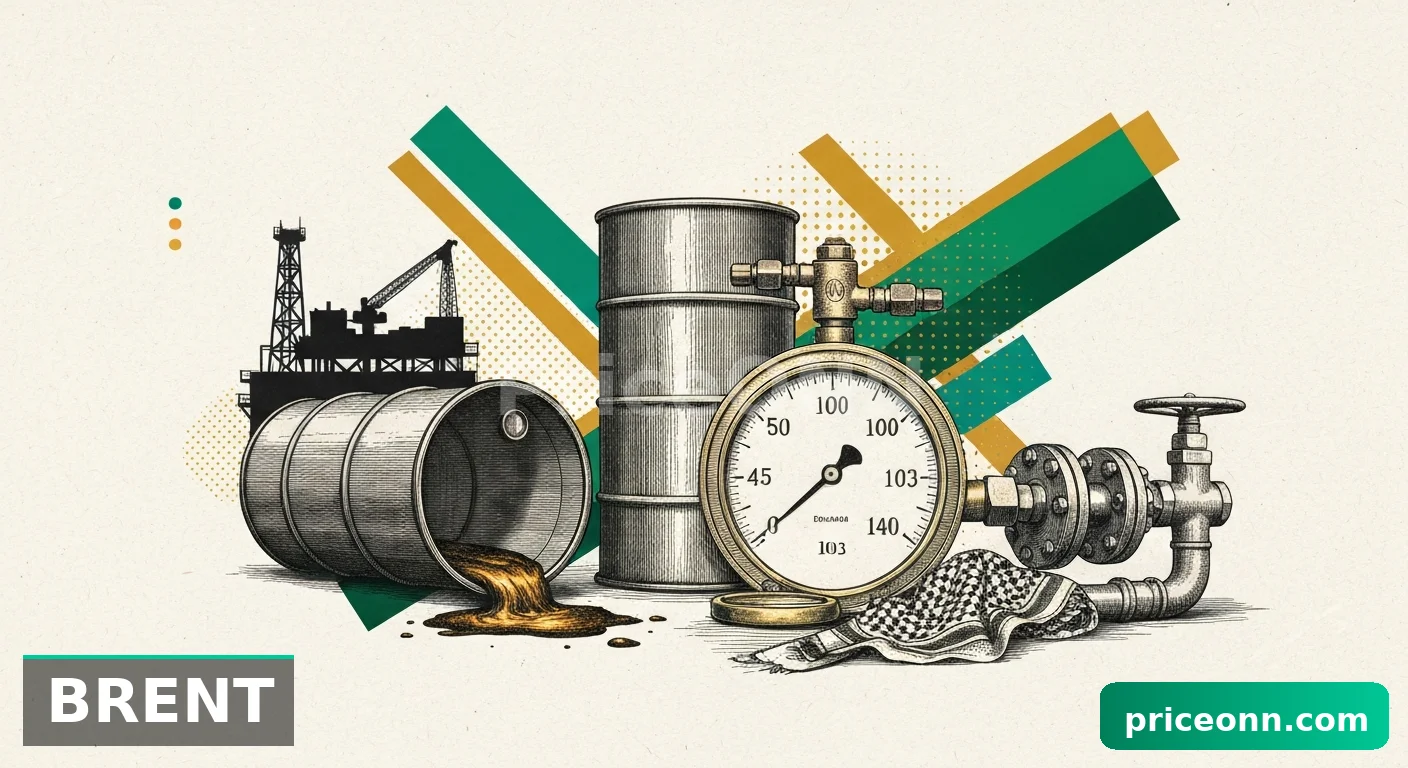
The DXY's recent ascent can be attributed to several converging factors. As Bloomberg reported last week, escalating tensions in the Middle East and Eastern Europe have fueled demand for safe-haven assets, with the U.S. dollar being a primary beneficiary. Concurrently, rising oil prices, with Brent crude futures trading near $103.42, have stoked inflationary concerns, prompting investors to seek the relative stability of the dollar. This combination of geopolitical and economic anxieties has created a perfect storm for the DXY, pushing it to levels not seen in months.
However, the technical picture suggests that this rally may be running out of steam. On the 4-hour chart, the Relative Strength Index (RSI) stands at 71.27, signaling overbought conditions. This indicates that the dollar's recent gains may be unsustainable in the short term, with a potential pullback looming. Furthermore, the Stochastic oscillator, with %K at 85.87 and %D at 91.77, reinforces this overbought signal, suggesting that a period of consolidation or correction may be imminent.
From a multi-timeframe perspective, the DXY's technical outlook presents a mixed bag. On the 1-hour chart, the ADX at 40.19 indicates a strong uptrend, suggesting that the dollar's momentum remains robust in the near term. However, the RSI at 75.96 on the same timeframe also points to overbought conditions, raising the possibility of a short-term reversal. On the daily chart, the DXY exhibits a strong uptrend as well, with the ADX at 29.75. However, the RSI there is at 73.95, near overbought territory. The MACD histogram shows positive momentum, but the RSI suggests some caution is warranted.
Key levels to watch in the coming days include support at 99.48 and resistance at 100.08, as identified on the 4-hour chart. A break above 100.08 could pave the way for further gains, potentially targeting the 101 level. Conversely, a break below 99.48 could trigger a deeper correction, with the next support level at 99.06 on the daily chart. Traders should closely monitor these levels for potential entry and exit points.
The economic calendar also looms large on the horizon. On Friday, the UK will release GBP data. These releases could introduce volatility into the market and potentially impact the DXY, particularly if the data deviates significantly from expectations. Therefore, traders should exercise caution and remain nimble in their approach, adjusting their positions as new information becomes available.
Moreover, the surge in oil prices adds another layer of complexity to the DXY's outlook. As jet fuel prices skyrocket due to Middle East tensions, inflationary pressures are likely to intensify, potentially prompting the Federal Reserve to adopt a more hawkish stance. This, in turn, could further bolster the dollar's appeal as a safe-haven asset. The market is currently pricing in a 75% probability of a rate hike in the coming months, according to CME FedWatch data.
However, it's important to note that the relationship between oil prices and the dollar is not always straightforward. While rising oil prices can lead to inflation and potentially higher interest rates, they can also weigh on economic growth, particularly in energy-importing countries. This could, in turn, dampen demand for the dollar as global economic prospects dim. Therefore, traders should carefully assess the broader economic implications of rising oil prices before making any definitive conclusions about the DXY's trajectory.
Given the conflicting signals from technical indicators and the uncertain economic outlook, a prudent approach is warranted. Traders should avoid making overly aggressive bets and instead focus on managing their risk effectively. One potential strategy is to wait for a clear breakout above 100.08 or a break below 99.48 before establishing a directional position. Another approach is to employ a range-bound trading strategy, capitalizing on the DXY's oscillations between support and resistance levels.
A sustained break above 100.08 resistance, fueled by continued geopolitical tensions and hawkish Fed signals, could propel the DXY towards 101. Further gains are probable if the current risk-off environment persists.
A close below 99.48 support, triggered by easing geopolitical tensions or dovish Fed commentary, could lead to a correction towards 99.06. This thesis hinges on risk sentiment improving and market participants reducing their safe-haven holdings.
From an institutional perspective, the DXY's recent strength may also reflect portfolio rebalancing by large asset managers. As equity markets have come under pressure, institutional investors may be reducing their exposure to riskier assets and increasing their allocation to the dollar as a hedge against further losses. This flow of funds could provide additional support for the DXY in the near term.
Looking ahead, the DXY's trajectory will likely depend on a complex interplay of geopolitical, economic, and technical factors. Traders should remain vigilant and adapt their strategies as new information emerges. Patience and disciplined risk management will be key to navigating the turbulent waters that lie ahead.
Frequently Asked Questions: DXY Analysis
What happens if DXY breaks above 100.08 resistance?
A break above the 100.08 resistance could signal further gains for the Dollar Index, potentially targeting 101. This scenario would likely be fueled by sustained geopolitical tensions and a hawkish stance from the Federal Reserve.
Should I buy DXY at current levels of $100.07 given RSI at 71.27?
While the DXY is currently trading at $100.07, the RSI at 71.27 indicates overbought conditions. A more prudent approach might be to wait for a pullback towards support at 99.48 before initiating a long position to improve the risk/reward ratio.
Is RSI at 71.27 a sell signal for DXY right now?
An RSI of 71.27 suggests that the DXY is overbought, but it is not a definitive sell signal. Traders should look for confirmation from other indicators, such as a break below support at 99.48, before initiating a short position.
How will the upcoming GBP data on Friday affect DXY this week?
Friday's GBP data could introduce volatility into the market and indirectly impact the DXY. Stronger-than-expected data could weaken the dollar, while weaker-than-expected data could bolster its appeal as a safe-haven asset.
Technical Outlook Summary
| Indicator | Value | Signal |
|---|---|---|
| RSI (14) | 71.27 | Overbought |
| MACD Histogram | Positive | Bullish |
| Stochastic | 85.87/91.77 | Overbought |
| ADX | 31.93 | Strong Trend |
| Bollinger | Upper Band | Watch |
Key Levels
Support Levels
Resistance Levels
Track markets in real-time
Empower your investment decisions with AI-powered analysis, technical indicators and real-time price data.