Asia’s LNG Lifeline Takes a Hit
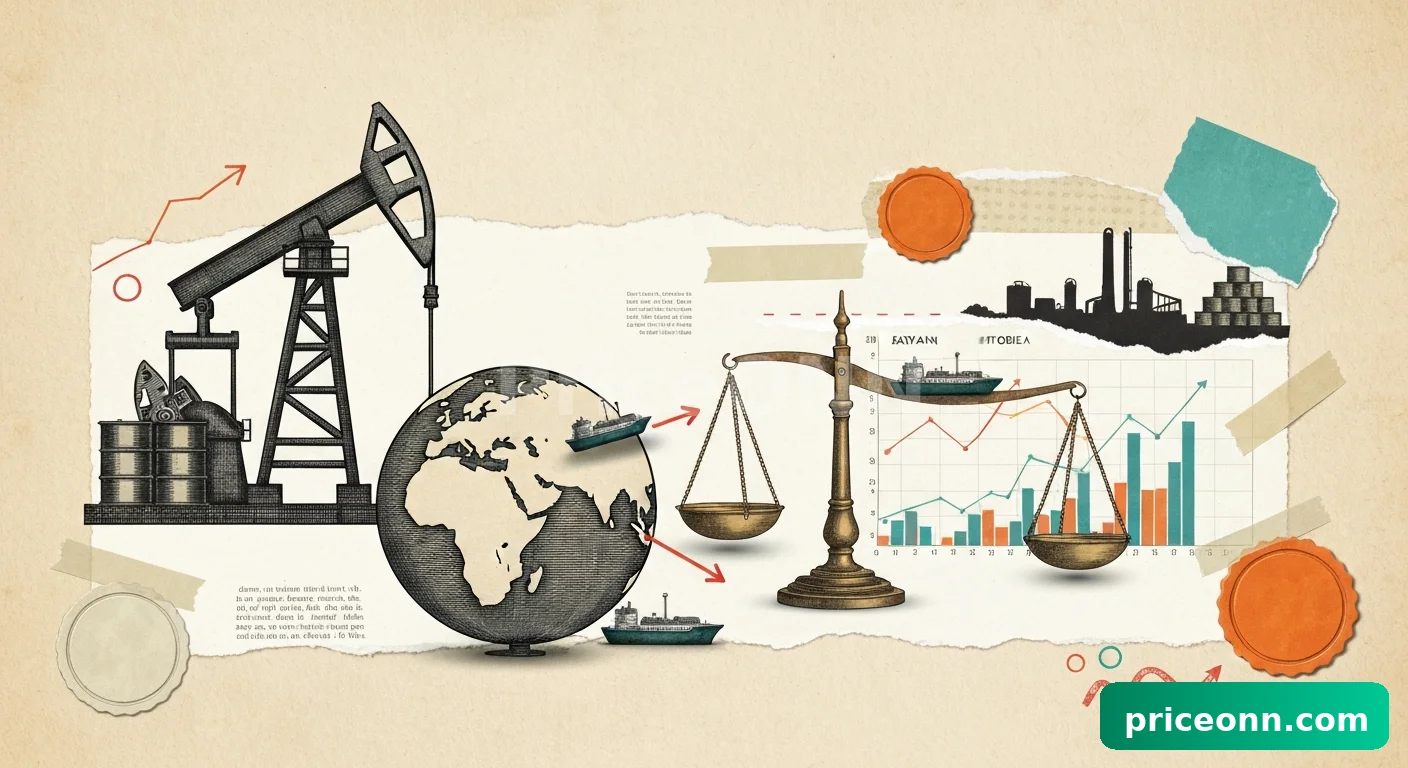
Asia's LNG Supply Chain Faces Critical Test
Asia, the world's dominant consumer of liquefied natural gas, is grappling with a significant supply shock. A confluence of events, specifically the shutdown of Qatar's Ras Laffan LNG complex and ongoing disruptions in the Strait of Hormuz, has sent ripples of concern throughout the region's energy markets. Up until recently, Asia relied on Qatar and the UAE for as much as 90% of its LNG imports. That equation is now being tested.
The trigger? Iranian drone strikes impacted facilities at Ras Laffan Industrial City and Mesaieed Industrial City on March 2nd, prompting QatarEnergy to declare force majeure on its LNG exports, halting production completely. This action set off a domino effect, with commodity traders who source LNG from Qatar also declaring force majeure on their deliveries, impacting numerous Asian clients.
In response to the emerging supply crunch, Asian buyers have aggressively sought alternative sources. This has led to a notable shift in LNG cargo routes, with shipments originating from the U.S. Gulf Coast, initially destined for Europe, now being redirected to Asia. At least nine U.S. LNG cargoes have been rerouted thus far, a number expected to rise as Asian gas prices currently offer a more attractive premium for U.S. producers.
The Search for Alternative Supply
Asian LNG importers are now actively scrambling to secure alternative supplies, bracing for a potentially prolonged disruption in the Middle East. The possibility of several months without Qatari LNG is a growing concern, especially given Qatar's energy minister's confirmation that restarting operations at Ras Laffan could take "weeks to months," even if hostilities cease immediately. Industry analysts estimate the disruption could last a minimum of four to six weeks.
While some Asian buyers have successfully secured their immediate needs, others, like India, are facing challenges. India's GAIL, for instance, reportedly managed to secure only one cargo for March delivery after numerous unsuccessful attempts to find alternative supplies.
Adding to the complexity, the price differential between Europe and Asia has recently shifted, favoring Europe. This means LNG tankers are increasingly heading to Europe, drawn by rising gas prices that have nearly doubled since the start of the conflict, approaching 70 euro per MWh.
Taiwan, relying on Qatar for 30% of its gas supply, appears to be among the most vulnerable Asian importers. South Korea (15% reliance) and Japan (5% reliance, with a greater reliance on Australian LNG) are comparatively better positioned to weather the storm.
Market Ripple Effects
The situation echoes the market dynamics of 2022, but with a more severe twist: an estimated fifth of global LNG supply is currently offline. Competition between Asia and Europe for available LNG is likely to intensify in the coming months. A key risk is whether Asian nations revert to coal as they did in 2022 and 2023 when LNG prices surged beyond affordability.
Some European buyers, buoyed by the availability of U.S. LNG on the spot market, may be underestimating the potential duration and impact of the Middle East disruption. This complacency could prove to be a miscalculation.
Interestingly, while Europe is increasingly focused on methane emissions regulations, potentially deterring panic buying of non-compliant LNG, Asia's primary concern remains securing gas supply, regardless of methane leakage concerns.
What Smart Money Is Watching
This disruption highlights the fragility of global energy supply chains and the interconnectedness of regional markets. For investors, several key factors warrant close attention.
Firstly, monitor the Brent Crude and WTI Crude prices, as increased demand for alternative fuels, should the LNG shortage persist, could drive crude prices higher. Secondly, track the performance of USD/JPY as Japan's energy security concerns might influence currency flows. Thirdly, watch European gas prices, particularly the Dutch TTF Natural Gas Futures, as competition with Asia intensifies. Finally, keep an eye on the stock performance of major LNG producers like Cheniere Energy, as increased exports could boost their earnings.
The primary risk is a prolonged outage at the Qatari facility, which could trigger a global energy crisis. Opportunities exist for companies involved in LNG shipping and alternative energy sources. Traders should be prepared for increased volatility in energy markets and be ready to adjust their positions based on evolving supply and demand dynamics.
Track markets in real-time
Empower your investment decisions with AI-powered analysis, technical indicators and real-time price data.