Oil Soars Above $100 as Supply Shock Intensifies Amid Middle East Conflict
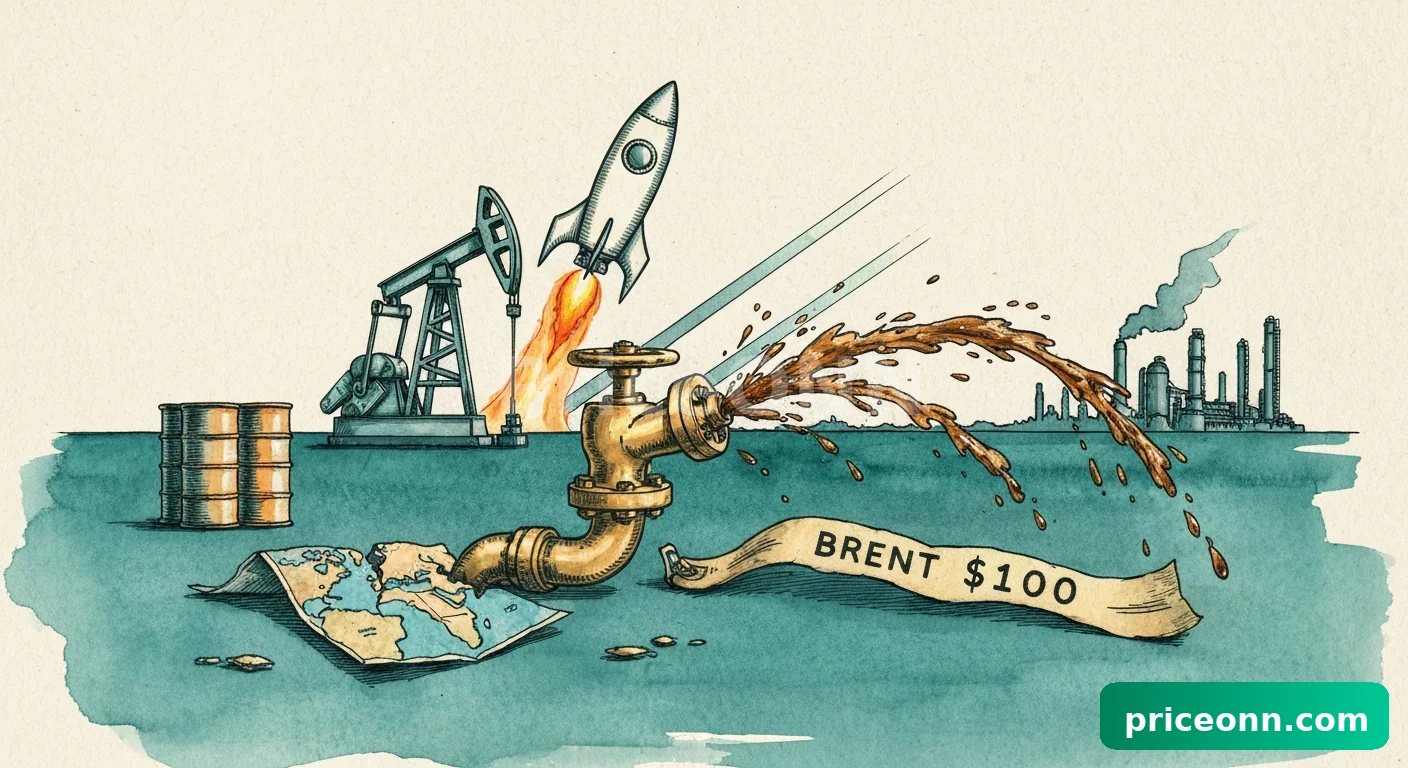
Brent crude oil prices have broken above the $100 per barrel mark, fueled by escalating conflict in the Middle East and growing concerns over global oil supply disruptions. The surge comes as the International Energy Agency (IEA) warns of the “largest disruption” in the history of the oil market, surpassing even the shocks of the 1970s and the 1990 Gulf War.
Market Context
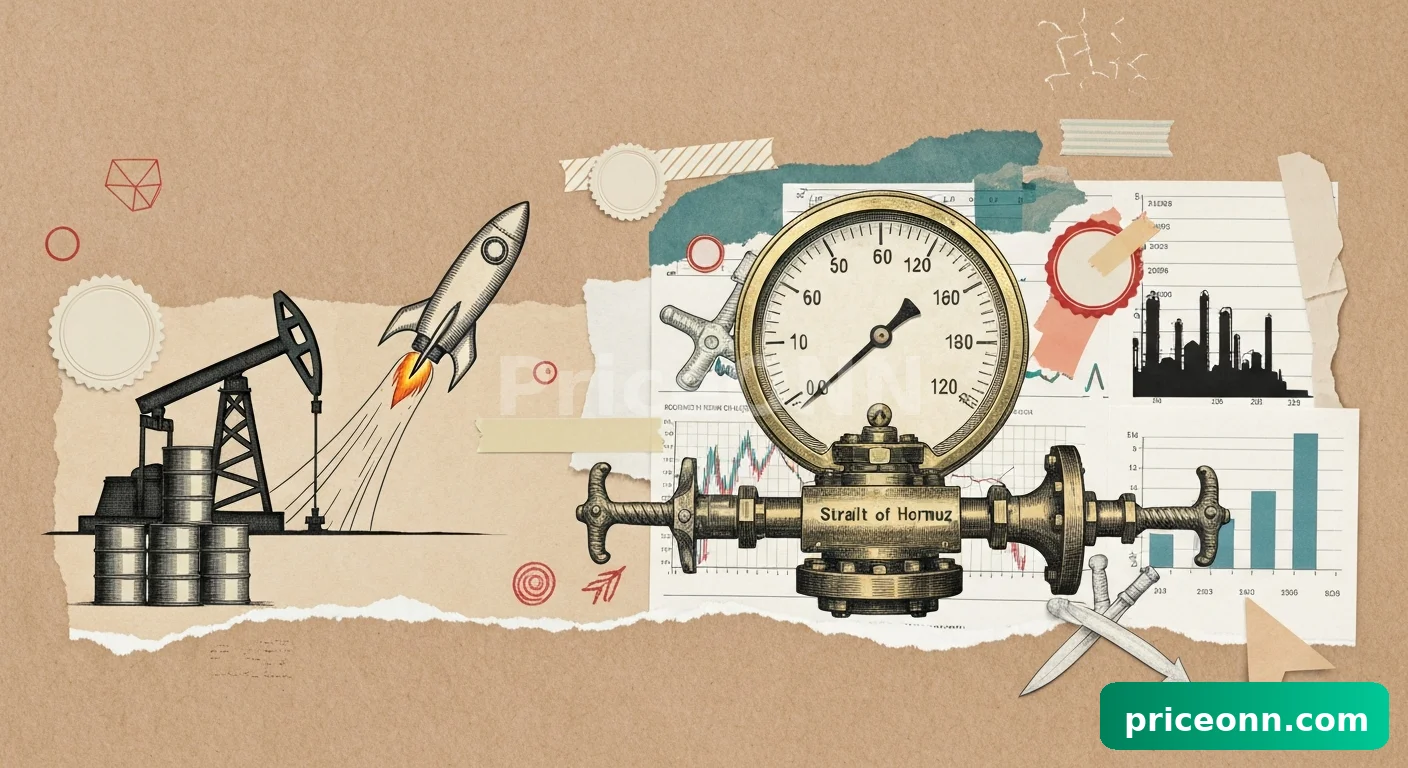
The current crisis stems from heightened geopolitical tensions in the Middle East, specifically disruptions affecting the Strait of Hormuz, a critical chokepoint for global oil shipments. Two Iraqi tankers were reportedly struck, further exacerbating supply concerns. Brent crude traded as high as $100.80 per barrel, while West Texas Intermediate (WTI) crude also climbed above $95. The IEA's intervention, releasing 400 million barrels from strategic reserves, has so far failed to significantly curb the price rally, highlighting the severity of the supply-side pressures.
Analysis & Drivers
The primary driver behind the price surge is the potential for a prolonged disruption to oil flows through the Strait of Hormuz. The new Iranian Supreme Leader's vow to continue blocking the Strait adds significant uncertainty. This waterway is crucial, as it handles approximately one-fifth of the world's oil supply. Investment banks are now scrambling to adjust their oil price forecasts, anticipating further upward momentum. Goldman Sachs, for instance, now projects Brent Crude to average above $100 per barrel in March, with potential spikes even higher if the Strait remains blocked for an extended period. Macquarie analysts have warned of a potential price spike towards $150 per barrel under such a scenario.
The IEA's assessment of the crisis as the “largest disruption to crude supplies in the history of the global oil market” underscores the gravity of the situation. While the release of strategic reserves provided a temporary buffer, analysts suggest that these reserves are finite. One analyst noted that the 400 million barrels released would only cover roughly 9-10 days of global demand. The IEA system is estimated to hold around 1.2 billion barrels in total reserves.
Trader Implications
For traders, the current market environment presents both opportunities and risks. Key levels to watch include:
- Support: Previous resistance levels around $95 (WTI) and $100 (Brent) may now act as support.
- Resistance: Immediate resistance lies at recent highs ($100.80 Brent). A break above this level could signal further upside potential, possibly testing $110-$120 in the near term.
Traders should closely monitor geopolitical developments in the Middle East, particularly any news related to the Strait of Hormuz. Increased military activity or further threats to shipping could trigger additional price spikes. Risk management is crucial in this volatile environment. Stop-loss orders should be placed strategically to limit potential losses. Consider options strategies to hedge against price swings.
Furthermore, traders should pay attention to inventory data and production reports from major oil-producing nations. Unexpected drawdowns in inventories or supply disruptions could further exacerbate upward price pressures.
Outlook
The near-term outlook for oil prices remains highly uncertain, contingent on geopolitical stability in the Middle East. The market is likely to remain volatile, with significant price swings in response to news flow. If the Strait of Hormuz remains blocked or if further supply disruptions occur, prices could indeed test higher levels, potentially reaching $120-$150 per barrel as some analysts predict. Conversely, any de-escalation of tensions or a resolution to the supply bottleneck could lead to a sharp correction in prices. Traders should prepare for continued volatility and adjust their strategies accordingly.
Track markets in real-time
Empower your investment decisions with AI-powered analysis, technical indicators and real-time price data.
Join Our Telegram Channel
Get breaking market news, AI analysis and trading signals delivered instantly to your Telegram.
Join Channel