AUD/USD Price Forecast: More upside likely amid hawkish RBA bets

The Federal Reserve's Monetary Levers Explained
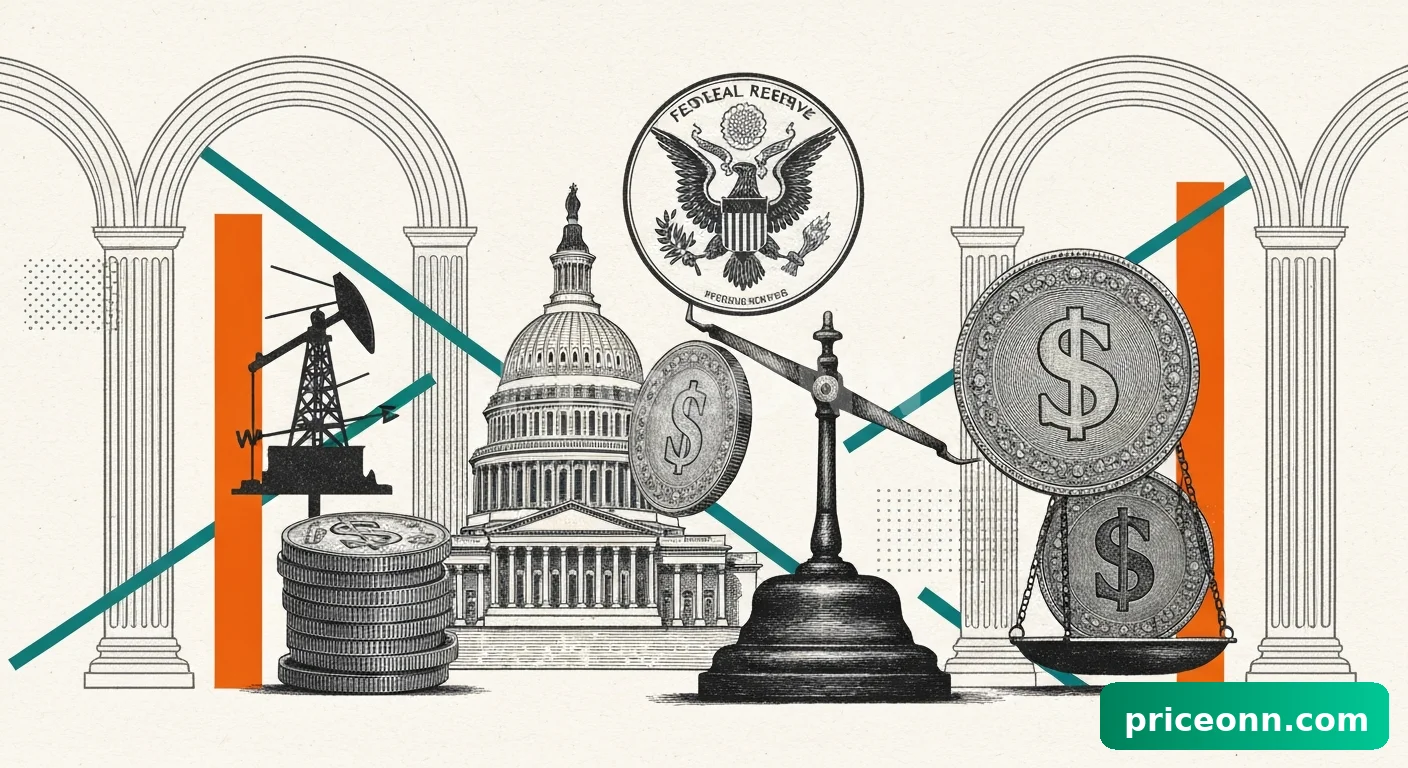
Understanding the forces that shape a currency's value often begins with its central bank. In the United States, the Federal Reserve, commonly known as the Fed, orchestrates monetary policy with a dual mandate: maintaining stable prices and promoting maximum employment. Its primary instrument for achieving these critical objectives is the strategic adjustment of interest rates.
When inflationary pressures surge, pushing the cost of goods and services beyond the Fed's target of 2%, the central bank typically raises its benchmark interest rates. This action elevates the cost of borrowing across the entire economic spectrum. Consequently, capital tends to flow into the U.S. seeking higher yields, which bolsters the US Dollar (USD) as it becomes a more attractive destination for international investment.
Conversely, should inflation falter below the 2% threshold or if the unemployment rate climbs too high, signaling economic weakness, the Fed might opt to reduce interest rates. Lower borrowing costs are intended to stimulate economic activity, encouraging spending and investment. This policy shift, however, generally exerts downward pressure on the value of the Greenback.
Navigating Policy Meetings and Unconventional Tools
The Federal Reserve convenes eight scheduled policy-setting meetings annually. During these sessions, the Federal Open Market Committee (FOMC) meticulously evaluates prevailing economic conditions to inform its monetary policy decisions. The FOMC comprises twelve key officials: the seven members of the Board of Governors and four rotating presidents from the regional Federal Reserve Banks, each serving one-year terms.
Beyond standard interest rate adjustments, the Federal Reserve possesses unconventional tools for extreme economic circumstances. One such measure is Quantitative Easing (QE). This policy involves the central bank injecting substantial liquidity into a stagnant financial system, often by purchasing high-quality bonds from financial institutions. QE was notably employed following the 2008 Great Financial Crisis. Typically, this expansion of the money supply tends to devalue the US Dollar.
The inverse of QE is Quantitative Tightening (QT). Under QT, the Fed winds down its bond-buying programs and allows its existing bond holdings to mature without reinvesting the principal. This process effectively removes liquidity from the financial system and is generally viewed as supportive of the US Dollar's strength.
Market Ripple Effects
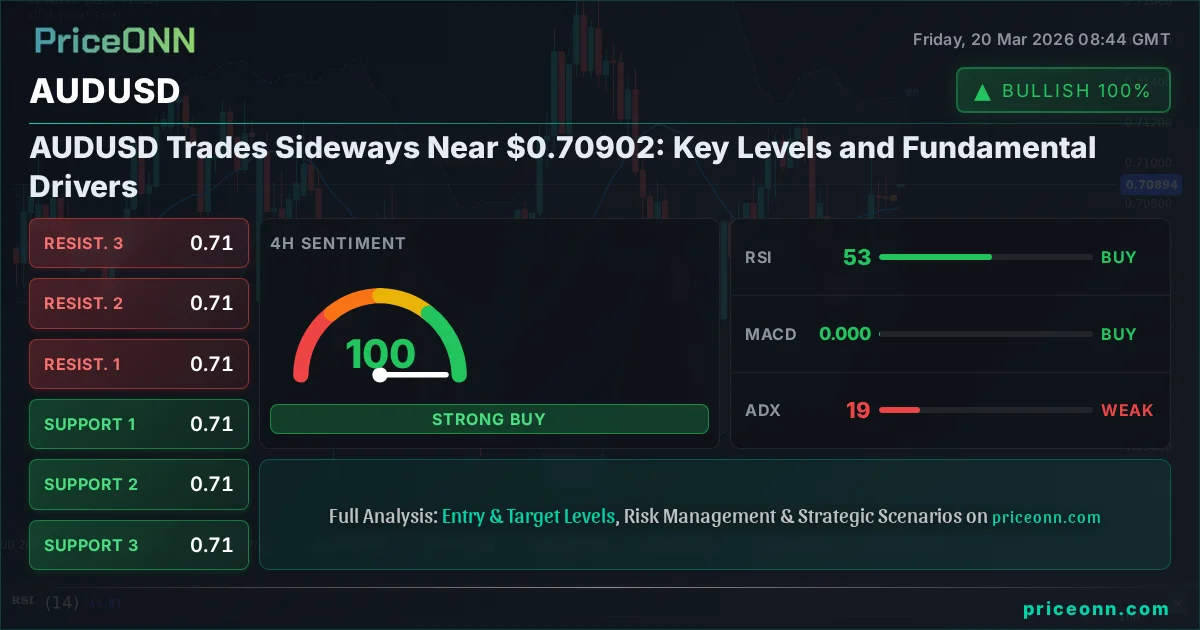
The recent upward movement in the AUD/USD pair, currently trading around 0.7115, is drawing attention. This modest gain of 0.15% in late Asian trading on Wednesday reflects underlying market sentiment. While the specifics of the Reserve Bank of Australia's next policy move are keenly awaited, the prevailing narrative suggests a potential for continued hawkishness. This anticipation can significantly influence not just the Aussie dollar but also broader market dynamics.
The implications extend beyond the immediate currency pair. Increased hawkishness from the RBA could lead to higher interest rate differentials between Australia and other major economies. This scenario often attracts capital inflows into Australian assets, potentially boosting demand for the Australian Dollar. Traders will be scrutinizing upcoming economic data releases from Australia for further clues on inflation and employment trends, which will be critical in shaping RBA's policy outlook.
Furthermore, a strengthening AUD could present headwinds for Australian export-oriented companies, as their goods become relatively more expensive for foreign buyers. Conversely, importers might benefit from a stronger currency. The interplay between monetary policy expectations and economic fundamentals will be key in determining the sustainability of any upside momentum for AUD/USD.
Market Connections
The evolving monetary policy landscape in Australia has several potential spillover effects. Increased RBA hawkishness could influence the perceived risk appetite for commodity currencies in general. If the Australian Dollar shows sustained strength, it might correlate with movements in other commodity-linked currencies like the Canadian Dollar (CAD) or the New Zealand Dollar (NZD).
Moreover, shifts in RBA policy can impact global bond markets. As Australian yields potentially rise, they could draw some attention away from U.S. Treasuries, albeit likely on a smaller scale. This could create subtle but observable shifts in global fixed-income flows. The US Dollar Index (DXY), which measures the dollar against a basket of major currencies, will also be a key indicator to watch. Divergent monetary policy paths between the Fed and the RBA could lead to notable fluctuations in the DXY.
Track markets in real-time
Empower your investment decisions with AI-powered analysis, technical indicators and real-time price data.
Join Our Telegram Channel
Get breaking market news, AI analysis and trading signals delivered instantly to your Telegram.
Join Channel