
Brent Jumps 7% to $114 as Spread With WTI Widens to 11-Year High
 PriceONN Editorial Desk
Multi-source verification
PriceONN Editorial Desk
Multi-source verification
Global Crude Markets Split on Geopolitical Fault Lines
A dramatic split is unfolding in the global oil arena, with the price gap between international benchmark Brent crude and its U.S. counterpart, West Texas Intermediate (WTI), ballooning to levels unseen in over a decade. Early Thursday trading saw Brent prices vaulting by nearly 7% to surpass the $114 per barrel mark. In stark contrast, WTI experienced a more modest uptick of just 0.2%, settling around $96 a barrel. This divergence has stretched the spread between the two benchmarks to approximately $18 per barrel, a significant chasm reminiscent of the oil market turmoil experienced in the mid-2010s.
The intensifying stress on seaborne crude markets stems from escalating assaults on vital energy infrastructure in the Middle East. Recent strikes targeting Iran’s South Pars gas field, a critical component of global energy flows, have amplified concerns. While Brent's pricing is intrinsically linked to supply routes passing through the sensitive Strait of Hormuz, WTI's valuation remains more closely tethered to the comparatively stable production landscape within the United States.
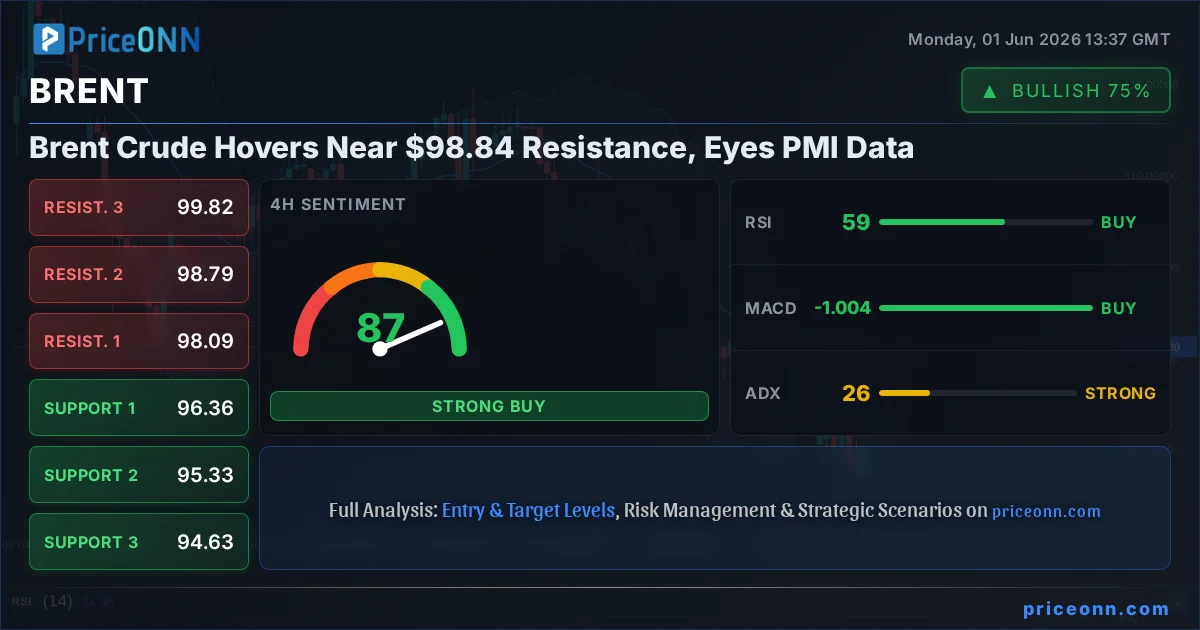
Physical Premiums Skyrocket Amid Supply Fears
The chasm between global and U.S. crude prices is even more pronounced when examining physical market transactions. Middle Eastern crude grades, which serve as key benchmarks for Asian and European refiners, are commanding substantial premiums far exceeding their paper market counterparts. Oman crude, for instance, is trading near $153 per barrel, with Dubai crude fetching around $136 per barrel. This surge is a direct reflection of the geopolitical risk premium being baked into global oil prices, pushing them further away from U.S. benchmarks.
This widening differential is beginning to inflict considerable downstream pressure on import-dependent economies. In India, the composite crude import “basket” reported by official sources leaped to $146.09 per barrel on March 17. This represents an astonishing 111.7% increase from the average price of $69.01 recorded in February. Industry watchers are now sounding alarms, suggesting that at these elevated crude price levels, India's state-run fuel retailers like Indian Oil Corporation, Bharat Petroleum, and Hindustan Petroleum face a rapid escalation of financial under-recoveries. This situation is particularly acute unless retail fuel prices are raised or the government provides substantial fiscal support.
Financial analysts are quantifying the economic strain. Elara Capital estimates that with crude prices above $110 per barrel, margins for petrol and diesel could shrink by approximately ₹6.3 per liter. Simultaneously, losses on Liquefied Petroleum Gas (LPG) could balloon by roughly ₹10.2 per kilogram. This translates to an projected annual increase in LPG under-recoveries of a staggering ₹32,800 crore. Ratings agency ICRA further highlighted that each $10 per barrel increase in crude oil prices can add between $14 billion and $16 billion annually to the nation's import bill, amplifying inflationary pressures and fiscal risks, even if end-user price adjustments are delayed.
Reading Between the Lines
The stark divergence between Brent and WTI underscores a deepening structural schism within the global oil market. Brent crude is currently pricing in the immediate threat of supply disruptions across globally traded barrels, reflecting heightened geopolitical tensions. Conversely, WTI remains anchored by more stable domestic inventory levels, consistent shale oil production, and the potential for U.S. governmental intervention. Such interventions could include tapping into strategic petroleum reserves or implementing export management policies.
Market participants are increasingly turning to the Brent-WTI spread itself as a real-time barometer of the conflict’s impact on global energy supply chains. The widening gap is not merely a paper phenomenon; it signifies a tangible tightening of available exportable crude from key producing regions, even as headline benchmarks might appear comparatively less volatile. This situation presents a complex challenge for refiners, consumers, and policymakers alike, demanding careful monitoring of both geopolitical developments and market mechanics.
The current market environment highlights a critical disconnect. While Brent reflects the immediate anxieties of global energy security, WTI remains tethered to domestic fundamentals. This disparity creates significant arbitrage opportunities and hedging challenges for traders. Furthermore, the elevated premiums on physical Middle Eastern grades suggest that market participants are willing to pay a substantial amount to secure immediate barrels, indicating a genuine tightness in readily available supply outside of U.S. shores. This premium could persist as long as geopolitical risks in the Middle East remain elevated.
Track markets in real-time
Empower your investment decisions with AI-powered analysis, technical indicators and real-time price data.
Join Our Telegram Channel
Get breaking market news, AI analysis and trading signals delivered instantly to your Telegram.
Join Channel PriceONN News
Iran's oil exports fell to their lowest level in at least six years in May as the U.S. naval blockade continued to choke off crude shipments and leave tens of millions of barrels stranded at sea. According to shipping data from Vortexa, Iran exported just 209,000 barrels per day (bpd) of crude oil and condensate in May, down from 1.34 million bpd in April and nearly 1.9 million bpd in March. Kpler had estimated May exports slightly higher at 260,000 bpd, but still the lowest level since the...
PriceONN News
Crude oil prices experienced a significant drop, with WTI futures falling over 1.8% to $87.25, as optimism grew for a U.S.-Iran deal potentially reopening the Strait of Hormuz.
PriceONN News
Crude oil prices experienced a significant downturn as market sentiment shifted towards optimism about a potential US-Iran Memorandum of Understanding that could reopen the Strait of Hormuz. WTI futures fell nearly 2% on the news.
PriceONN News
(RTTNews) - Crude oil prices have tumbled on Friday as expectations of the U.S. and Iran signing a Memorandum of Understanding run high. The MoU would allow for immediate reopening of the Strait of Hormuz and pave the way for the resumption of oil and energy trade.
PriceONN News
Crude oil futures experienced a dramatic intraday reversal on Thursday, soaring overnight on geopolitical fears only to pull back significantly as reports of a potential diplomatic understanding between the U.S. and Iran emerged.
PriceONN News
Brent crude prices surged towards the mid-$90s amid fears of supply disruptions from Middle East tensions, only to pare gains later as whispers of a potential US-Iran diplomatic understanding emerged.
PriceONN News
(RTTNews) - Extending the losses from yesterday's session, crude oil prices have gone into freefall on Wednesday as investor expectations on a potential U.S.-Iran agreement continue to rise despite the U.S. refusing to ease its demands.
PriceONN News
(RTTNews) - Crude oil prices have tumbled on Tuesday as optimism about a U.S.-Iran peace deal that could lead to reopening of the Strait of Hormuz soon grows despite reports of fresh U.S. strikes on Iran yesterday.
PriceONN News
Crude oil benchmarks experienced a sharp decline of over 5% this week, driven by renewed optimism surrounding U.S.-Iran peace talks and a potential easing of Middle East tensions. Both Brent and WTI futures saw significant drops as market sentiment shifted towards de-escalation.
PriceONN News
(RTTNews) - After surging early in the day, crude oil prices have tumbled over the course of the trading session on Thursday. With the downturn, crude oil is extending the losses from the two previous sessions, as investors watch the developments in U.S.-Iran peace talks.
PriceONN News
Global oil prices are treading water after a significant 5% slump, as market sentiment grapples with cautious optimism over Middle East de-escalation efforts versus lingering geopolitical uncertainties. Brent crude hovers near $104.72 and WTI near $98.07.
PriceONN News
The Iran war suddenly turned what had started as a year of oversupply in global oil and LNG markets into the worst oil and gas supply disruption in history. Three months after the U.S.-Israeli strikes on Iran began on February 28, the world has already lost 1 billion barrels of crude oil supply, oil and gas prices have found a new, much higher floor, and whipsaw with violent volatility nearly every day, trade routes have shifted, and tanker rates have spiked. Actual supply shortages are...