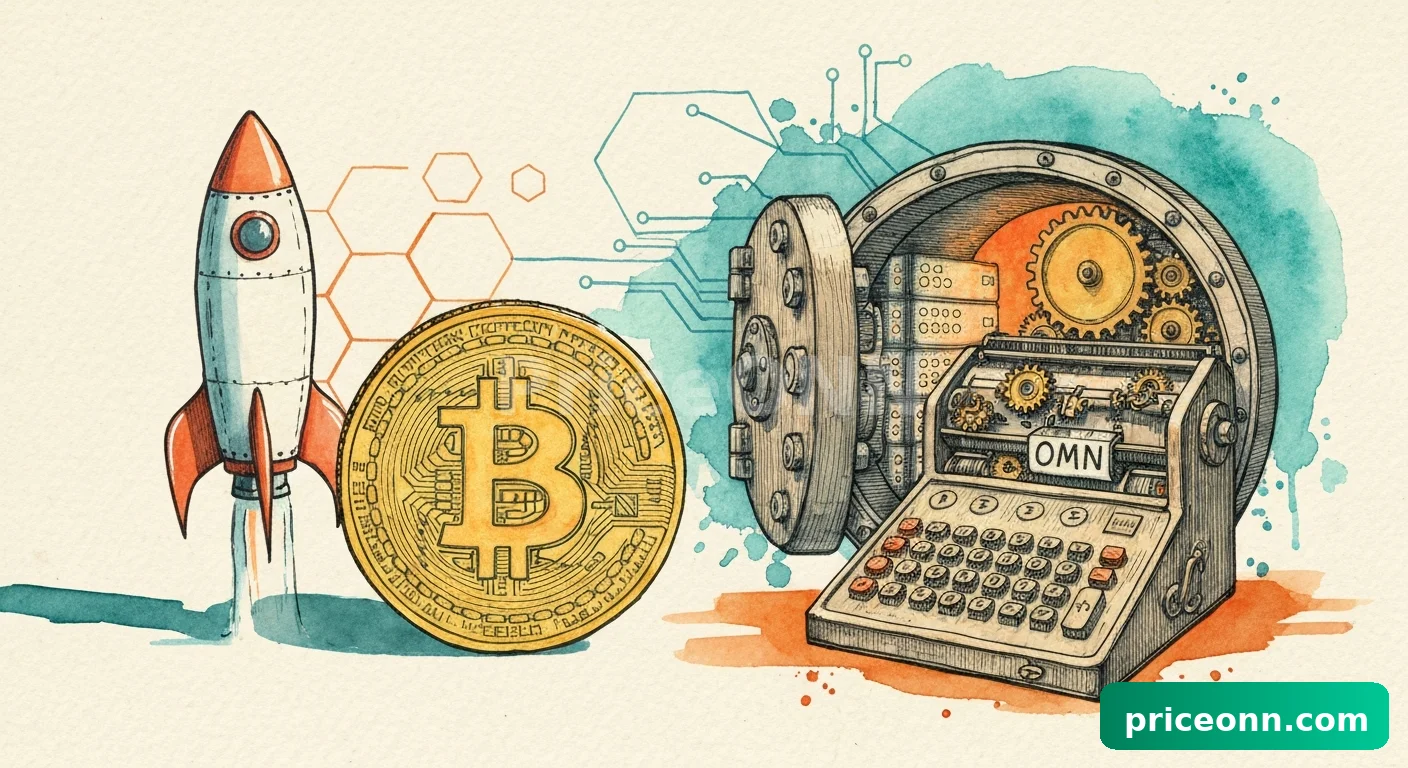
CoinShares says up to 20% of Bitcoin miners are unprofitable

Mining Squeeze Intensifies
The economic viability of Bitcoin mining is under pressure, with a substantial segment of the global mining network operating at a loss. Asset manager CoinShares has indicated that as many as 20% of Bitcoin miners may currently be unprofitable. This situation is particularly acute for operators utilizing older, less efficient machinery or those burdened by elevated electricity expenses.
Recent data paints a stark picture of the industry's revenue streams. The hashprice, a critical metric reflecting miner earnings per unit of computational power, dipped to approximately $28 per petahash per second per day in February 2026. This figure represents a new low point since the last halving event, significantly compressing profit margins across the board. Although a modest recovery to around $33 PH/s/day has been observed, this level remains historically low, hovering near five-year lows.
The current environment is forcing a consolidation among mining operations. The numbers tell a clear story: only those with distinct structural advantages, such as access to exceptionally cheap power or the deployment of the most energy-efficient hardware, are likely to weather this storm. This is not merely a cyclical downturn; it is an accelerating trend that is progressively narrowing the field of viable participants.
Navigating a Tightening Market
Several converging factors are contributing to this mining squeeze. A combination of subdued Bitcoin prices, a steadily increasing network difficulty, and relatively weak transaction fee revenues has created a perfect storm, drastically reducing miner income. This pressure is visibly impacting the network's operational dynamics.
Evidence of this strain appeared dramatically on March 20, when Bitcoin's mining difficulty experienced a sharp contraction of about 7.7%. This reduction in the computational effort required to mine new blocks offers a degree of relief to those miners who can remain online. However, it also underscores the significant challenges faced by many in the sector.
The underlying economics are forcing operators to make difficult decisions. Older machines are being retired, and less efficient facilities are struggling to cover their operational costs. This period is testing the resilience of the entire Bitcoin mining ecosystem, separating the highly optimized operations from those that are less prepared for sustained periods of low revenue.
What Smart Money Is Watching
The current profitability crunch among Bitcoin miners is a critical development for the cryptocurrency market, signaling a potential shake-up in the network's infrastructure. For investors and traders, this tightening margin environment presents both risks and opportunities. The primary risk is the potential for a significant portion of the mining hash rate to come offline if profitability remains elusive, which could impact network security in the short term, though difficulty adjustments usually mitigate this.
Conversely, this period could accelerate the adoption of more efficient mining hardware and drive innovation in energy procurement strategies. We should closely monitor the performance of companies with strong balance sheets and access to low-cost energy, as they are best positioned to gain market share. The impact extends beyond mining stocks; a sustained miner sell-off could introduce downward pressure on Bitcoin itself, particularly if it leads to a loss of confidence. Conversely, a more efficient and consolidated mining sector could ultimately strengthen the network's long-term prospects.
Key areas to watch include the hashprice index for signs of sustained recovery, the network difficulty adjustments as an indicator of miner capitulation or resilience, and the financial reports of publicly traded mining companies. The overall health of the mining sector is intrinsically linked to the price of Bitcoin and investor sentiment towards digital assets, making it a crucial barometer for the broader crypto market.
Related assets to monitor include the Bitcoin (BTC) price itself, as well as Ethereum (ETH) which, despite its shift to Proof-of-Stake, has seen increased interest in its own validator economics. Additionally, the performance of technology and energy stocks, particularly those involved in semiconductor manufacturing and renewable energy infrastructure, could be indirectly affected by the demand for and innovation within the mining sector. The U.S. Dollar Index (DXY) may also see subtle shifts if crypto market volatility influences broader risk appetite.
Track markets in real-time
Empower your investment decisions with AI-powered analysis, technical indicators and real-time price data.
Join Our Telegram Channel
Get breaking market news, AI analysis and trading signals delivered instantly to your Telegram.
Join Channel